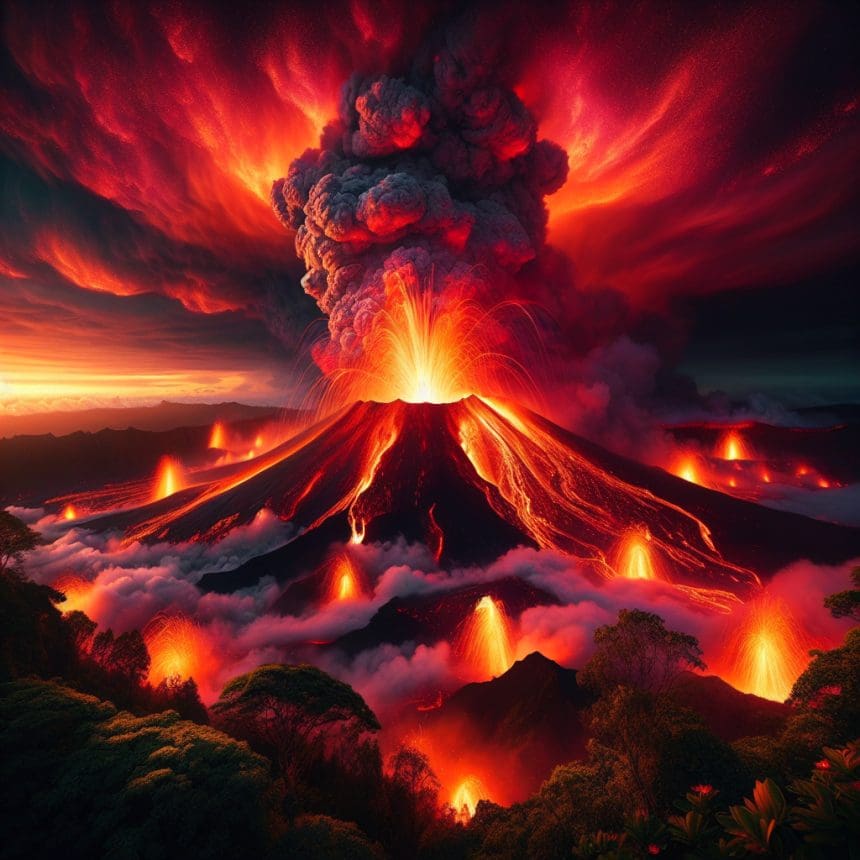
Kilauea Erupts: Lava Flows 400 Meters Skyward
Kilauea volcano on Hawaii’s Big Island erupted spectacularly on Tuesday morning, sending lava shooting 400 meters into the air and creating a mesmerizing display of nature’s power. The eruption, which began around 8:00 AM HST, is attributed to ongoing geological activity beneath the surface, a phenomenon regularly monitored by the US Geological Survey (USGS). Residents near the volcano have been advised to remain alert due to potential ashfall and lava flows that might impact air quality and safety in surrounding areas.
This latest eruption is part of Kilauea’s long history of activity, with previous eruptions changing the landscape of Hawaii’s Big Island. Geologists have noted that while Kilauea is one of the world’s most active volcanoes, the vigor of this current eruption has sparked significant interest and concern among residents and scientists alike.
Understanding Kilauea’s Eruption Dynamics
Hawaii’s Kilauea has captivated scientists and volcanologists for decades, offering insights into volcanic activity and its effects on the environment. The recent eruption has been classified as a "fountaining" event, where lava is expelled vertically due to gas pressure building up within the magma chamber. USGS reports indicate that the eruption’s explosive nature is primarily fueled by the rapid release of pent-up gases, which create bubbles within the molten rock that propel it skyward.
The eruption’s lava fountains are not only visually stunning; they also underline the dynamic processes at play deep within the Earth’s crust. Scientists are carefully observing these phenomena to better understand not only Kilauea but volcanic activity globally.

Evacuations and Safety Precautions
Given the unpredictable nature of eruptions, Hawaii County officials have implemented precautionary measures to ensure community safety. Evacuations have been recommended for areas closest to the lava flows, particularly in the neighborhoods surrounding the volcano. Residents are advised to prepare emergency kits, including essentials such as water, food, and medical supplies, in case of further lava flow or ashfall.
Local authorities have set up monitoring stations to track ash dispersal and lava flow paths. The Hawaii Emergency Management Agency is working closely with the USGS to provide updates to residents and tourists alike. Awareness and preparedness are critical, as winds can carry volcanic ash over large distances, potentially affecting air quality and visibility.
The Environmental Impact of Eruptions
While volcanic eruptions can be destructive, they also play a crucial role in shaping ecosystems. The ash and lava enrich the soil, promoting new growth, and providing habitat for various species. However, the immediate dangers posed by lava flows and volcanic gases can have dire consequences for human and animal populations.
Environmental scientists are keenly studying the effects of recent eruptions on both local ecosystems and the long-term geological changes they induce. Kilauea’s eruptions have contributed to the island’s geographic formation, shaping lave tubes and new land masses known as volcanic islands.
Impact on Tourism
Hawaii is one of the most visited tourist destinations in the world, drawing millions to its beautiful landscapes and unique cultural experiences. The recent eruption has sparked curiosity as well as concern within the tourism sector. While some travelers express hesitance regarding safety, many others are eager to witness this natural spectacle firsthand. Tour operators are closely monitoring the situation, offering tours in safe areas while ensuring compliance with all safety guidelines.
Hawaii’s tourism board has emphasized that despite the current activity, many areas of the Big Island remain safe for exploration, including hiking trails, beaches, and historical sites. They remind visitors to stay informed through official channels, following updates from the USGS and local authorities.
Community Resilience and Spirit
In the face of natural disasters, the spirit of community resilience shines through. Residents of Hawaii have historically banded together during eruptions, sharing resources and knowledge. Local organizations and volunteers are mobilizing to assist those displaced by the lava flows, providing essentials and support.
Community interventions also include educational seminars aimed at increasing public understanding of volcanic activity and safety measures. The exchanges of experiences help to foster a sense of unity, reminding residents that though nature can be unpredictable and violent, their collective spirit is a force of its own.
The Future of Kilauea
As experts continue to monitor the current eruption, they are also looking to the future. Volcanic activity often cycles through phases, and the recent eruption may just be part of a larger pattern of behavior exhibited by Kilauea. Continuous research is essential to predict future eruptions and mitigate risks to the local community.
Interactive platforms developed by the USGS allow the public to engage with real-time data concerning volcanic activity. Through these resources, residents and visitors can stay updated and aware of safety protocols while appreciating the awe of Kilauea’s power without unnecessary risk.
Conclusion
The recent eruption of Kilauea volcano, with its striking lava fountains and potential hazards, serves as a reminder of the raw power of nature. While it poses challenges to local communities, it also offers an opportunity for scientific discovery and ecological renewal. As the situation continues to unfold, ongoing collaboration between scientists, local authorities, and residents will be pivotal in ensuring safety and understanding the impacts of this remarkable natural event. Citizens and visitors alike are encouraged to celebrate Hawaii’s breathtaking landscapes while respecting the tremendous forces that shape them.