Headline: Judge Mandates Notification for Grand Jury No-Indict Decisions
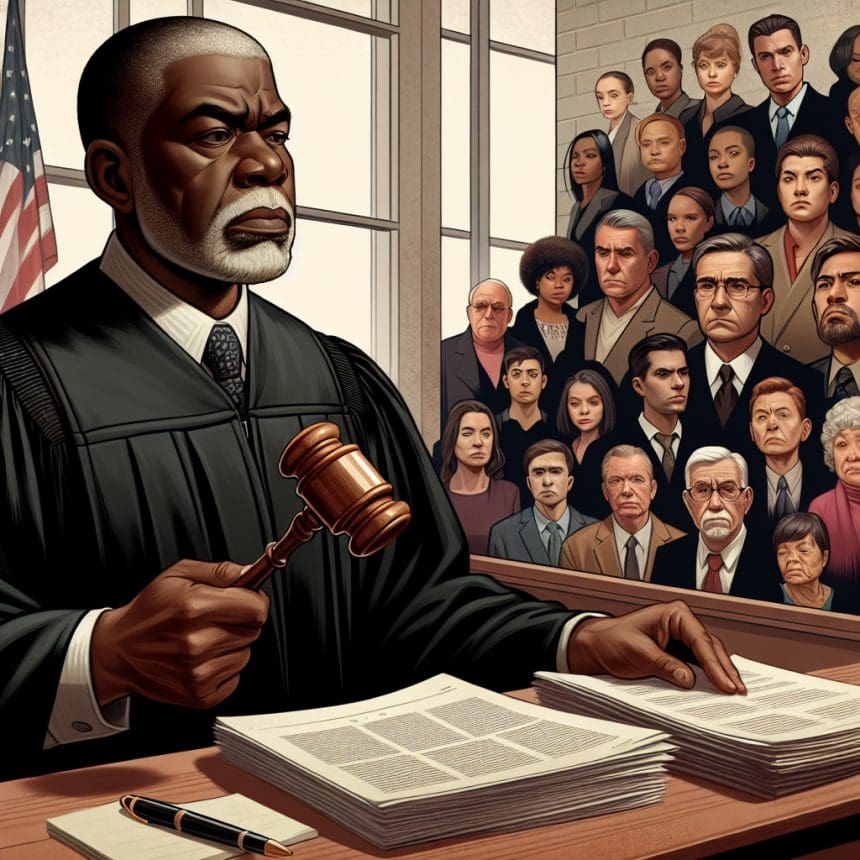
In a significant ruling, U.S. District Court Judge Boasberg has ordered that all federal grand juries must notify the Justice Department whenever they decide not to issue an indictment. This decision, made on October 3, 2023, in Washington D.C., aims to enhance transparency and accountability within the federal judicial process. The ruling comes in response to concerns that non-indictments lack sufficient oversight, leading to potential injustices within the criminal justice system.
Context of the Ruling
Judge Boasberg’s decision follows a growing call for reform in how grand juries operate, especially in high-profile cases where public interest is high. Grand juries have historically operated with a degree of secrecy, making their ultimate decisions—the choice to indict or not—somewhat opaque to the public and oversight bodies. In a landscape where public trust in government institutions is waning, this ruling has been framed as a necessary step toward restoring faith in the judicial process.
The issue came to the forefront earlier this year when several notable cases received significant media attention for their non-indictment outcomes. Critics argued that these decisions were often made without adequate scrutiny, allowing potential misconduct or failure to prosecute to go unnoticed. By mandating notifications, Judge Boasberg aims to address these concerns and create a more transparent judicial environment.

Implications for the Justice System
The order will affect all federal grand juries, signaling a shift in how prosecutorial decisions are communicated. As part of the new directive, the Justice Department will receive formal notifications when a grand jury declines to indict a case. This expectation for disclosure is poised to create a feedback loop, encouraging accountability and offering opportunities for review of the underlying reasons for the grand jury’s decision.
The ruling has garnered mixed reactions from legal experts. Some herald it as a progressive move that could spotlight systemic issues within the federal prosecutorial system. Others, however, argue that it may place undue pressure on grand juries and could lead to reduced independence in their deliberative processes. Critics contend that the transparency intended might be undermined if grand jurors feel compelled to justify their decisions publicly.
Broadening the Debate on Grand Jury Reform
The ruling coincides with a broader discussion surrounding grand jury reforms that have gained traction in various states. Advocacy groups have long called for reforms to ensure that the grand jury system serves its intended purpose of justice rather than becoming a tool for prosecution. Some have suggested additional measures, such as requiring written explanations for non-indictments, providing training for jurors, or even implementing a public comment period.
Judge Boasberg’s decision could serve as a catalyst for similar actions across the country, encouraging states to adopt transparency measures. As constitutional experts underscore, the grand jury is a critical check on prosecutorial power. By ensuring that grand jury decisions receive additional scrutiny, there are hopes that the system can be better aligned with principles of fairness and justice.
Voices from the Legal Community
Reactions from members of the legal community highlight the complexity of the ruling. "This is a landmark decision that could reshape the relationship between prosecutors and grand juries," said Marcus Allen, a constitutional law scholar. "It introduces a layer of accountability that was previously lacking in many instances."
On the other hand, legal defense attorney Sarah Jennings cautioned, "While transparency is important, we must be careful not to compromise the sanctity of grand jury proceedings. The potential for public pressure could inadvertently skew the results."
Additionally, a spokesperson for the Justice Department expressed support for the ruling, noting that "transparency in the justice system is vital for public trust, and we are committed to adhering to the new guidelines."
Looking Ahead: The Future of Grand Jury Proceedings
With the mandate for notification in place, observers will be closely monitoring how this decision unfolds within the federal judicial system. It remains to be seen whether this will lead to substantial changes in how grand juries operate or whether it will simply serve as an additional bureaucratic step in the process. Analysts will be watching for any early indicators of trends in grand jury outcomes, particularly in cases that capture public attention.
Furthermore, the ruling may also inspire other branches of government to explore similar accountability measures. Lawmakers may look into legislation to formalize guidelines for grand jury operations based on the lessons learned from this case.
Conclusion
Judge Boasberg’s recent ruling on mandatory notifications for grand jury no-indictment decisions marks a pivotal moment in the quest for transparency within the federal judicial system. As discussions continue to unfold around the implications of this order, the initiative could serve as a blueprint for broader reforms. Ultimately, the outcome of this ruling could significantly influence not only the grand jury system itself but also the wider landscape of legal accountability and community trust in the judicial process.
By striving for greater transparency, Judge Boasberg’s decision reflects an ongoing effort to create a more just legal framework—one that balances societal interests with the necessity for fair and impartial legal proceedings. As this initiative gathers momentum, stakeholders from all sides of the debate are encouraged to remain engaged in conversations about reform, ensuring that the judicial process remains, above all, a tool for justice.