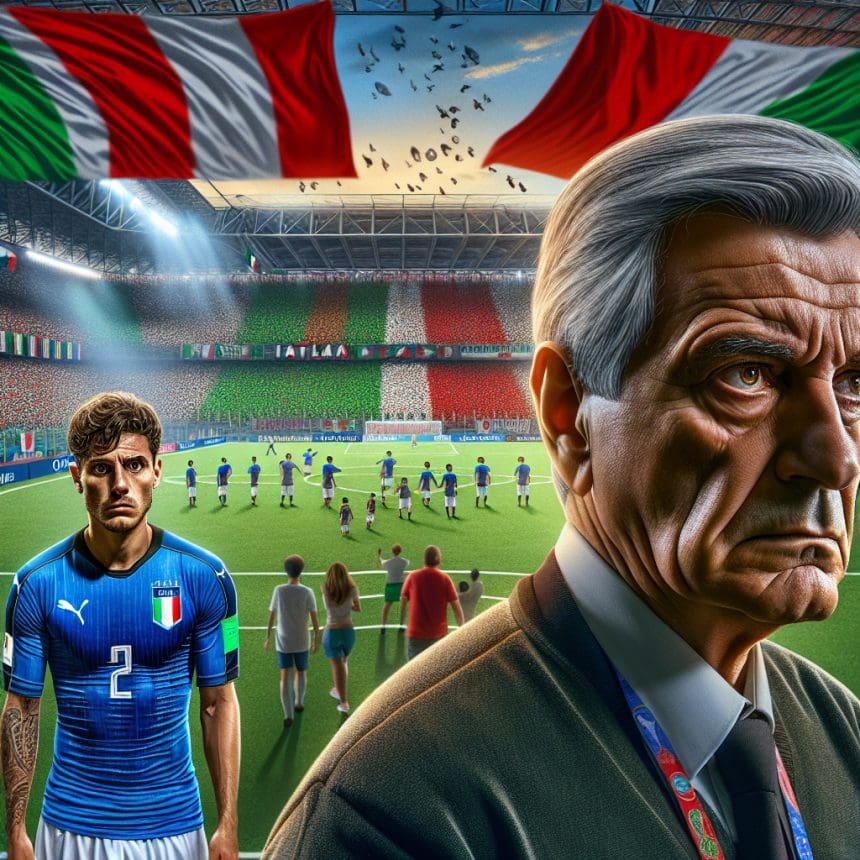
Chiesa Excluded as Italy’s World Cup Hopes Diminish: Coach’s Decision Shakes Team
In an unexpected turn of events, Italian national soccer team coach Roberto Mancini has decided to release standout forward Federico Chiesa from the squad in preparation for the upcoming World Cup qualifiers. This development, which left fans and analysts speculating about underlying tensions within the team, occurred just days before Italy is set to face critical matches that could determine their fate in the tournament. Chiesa’s exclusion has raised eyebrows and ignited discussions around Mancini’s tactics and potential rifts within the squad.
As Italy strives to secure a spot in the World Cup, anticipation builds around their upcoming matches. Having struggled in the qualifiers, the Azzurri find themselves at a pivotal moment where every decision matters. Mancini’s choice to part ways with Chiesa, a player who has been instrumental in the team’s recent successes, indicates both a personal and strategic shift that could significantly influence Italy’s chances of making it to the World Cup. The news was made public during a tense press conference, where Mancini appeared visibly nervous discussing the team’s dynamics and preparations.
Chiesa, who plays for Juventus and has become known for his explosive speed and technical abilities on the field, has been a key player for Italy, notably contributing to their Euro 2020 victory. His exclusion from the roster raises concerns not only about the current team’s performance but also about the internal atmosphere as the squad prepares to compete against formidable opponents. Speculation is rampant regarding the reasons behind the coach’s controversial decision, with some insiders suggesting that it stems from differing views on tactical approaches to the upcoming matches.

The impact of Chiesa’s absence cannot be overstated. His unique skill set and playmaking abilities have kept opponents on their toes, often providing vital goals and assists in high-pressure situations. Without him, Italy may lack the necessary firepower to compete at the highest level, especially against teams that have consistently demonstrated solid performances in previous qualifiers.
Furthermore, this decision raises questions regarding Mancini’s management style. Known for his strategic acumen, the coach has previously made bold decisions that have paid off; however, releasing a key player such as Chiesa has sparked debate among fans and analysts. As speculation mounts about the relationship between Mancini and some players, many are looking for reconciliation, hoping that Italy can rally together in the face of adversity.
In the lead-up to the qualifiers, Mancini has historic pressure to rectify the team’s path after Italy shockingly failed to qualify for the previous World Cup in Qatar. The coach has been vocal about fostering a supportive team environment, yet his latest move suggests a rift that could undermine team cohesion. With the enormity of the upcoming matches looming, only time will tell whether this decision proves to be a misstep or a tactical masterstroke.
As the Italian football community reels from Chiesa’s exclusion, fans eagerly await the results of the upcoming qualifiers against key opponents, including England and Ukraine. Success in these matches is crucial—not just for qualification but for restoring pride in a team that has seen its fair share of struggles in recent years.
Italy’s national team has a rich history of combative football, and while the current squad has a talented roster, their ability to adapt and work without Chiesa will certainly be put to the test. Mancini must now rebuild tactical plans and team morale under immense scrutiny, with each decision adding pressure to an already tense atmosphere.
Analysts are divided on the potential outcomes of this situation. Some argue that Mancini’s approach could inspire other players to step up and fill the void left by Chiesa, while others believe that the lack of cohesion may hinder Italy’s performance immensely. Next week, as Italy prepares for their crucial qualifiers, the spotlight will undoubtedly be on Mancini and the players he selects to face the challenges ahead.
Moreover, this situation offers a lesson in sports management where communication and player relationships are pivotal. A misstep at this crucial juncture could have long-lasting implications for individual players’ careers as well as for Mancini as a coach. Should Italy fail to qualify, the ramifications may challenge Mancini’s role moving forward, especially given the weight of expectations from fans and the footballing community.
As the football world watches closely, every practice, every training session, and every upcoming match becomes a focal point in determining Italy’s World Cup future. The players must now rally together, putting personal differences aside to emerge strong in the face of adversity. Coach Mancini’s next steps will be critical in shaping not only the team’s on-field performance but also their spirit as they pursue a rightful place in global football.
In conclusion, while the decision to release Chiesa has raised eyebrows and created a buzz of conversation, it underscores the importance of adaptability in high-stakes situations. With the World Cup qualifiers fast approaching, Italy’s ability to unite and capitalize on their strengths will ultimately decide their fate on the international stage. Football fans everywhere will be awaiting the unfolding drama with bated breath, as a new chapter in Italy’s storied football history begins to write itself.