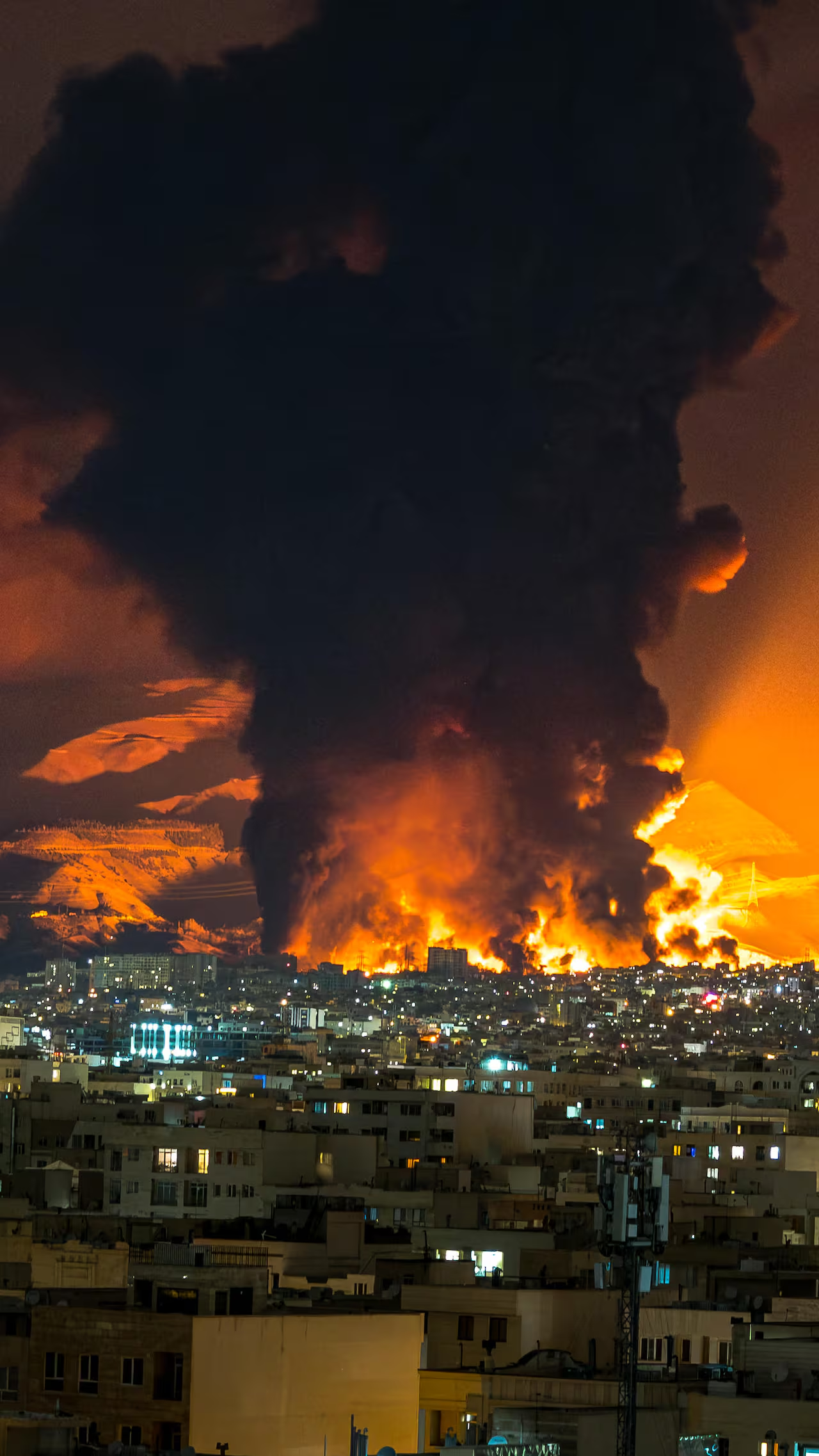
Headline: Mysterious Oil Rain Reported in Iran: What You Need to Know
In a surprising turn of events, residents in Iran have reported experiencing what they describe as "oil rain" in several regions, including Khuzestan province, over the past week. This unusual phenomenon has sparked widespread interest and speculation, prompting local authorities and environmental experts to investigate the claims. Initial observations suggest that the oily substance appears to be falling from the sky, leading to concerns about environmental and health implications for the affected populations.
Understanding the Situation
Reports of oil rain first emerged on social media platforms, with citizens sharing images of dark, viscous droplets coating cars and outdoor surfaces. Eyewitness accounts claim that the substance has a distinct petrochemical odor, raising alarm among residents who fear contamination of water supplies and adverse health effects. The phenomenon coincides with ongoing oil extraction activities in the region, further complicating the narrative.
Khuzestan, an oil-rich province in southwestern Iran, is known for its vast petroleum reserves. The area has long been the subject of environmental scrutiny due to its proximity to oil fields and refineries. Experts note that while oil rain may sound far-fetched, it could have connections to industrial activities and must be examined thoroughly.
The Science Behind Oil Rain
Understanding the science behind oil rain requires diving into the complex interaction between the environment and human activity. Dr. Amir Hosseini, an environmental scientist at Shahid Chamran University of Ahvaz, explained that "oil rain" is not a scientifically recognized term but may refer to an oily residue mixed with rainwater or atmospheric pollutants. "This could occur if aerosolized oil particulates from refineries or oil fields are caught in storm systems," he said.

Rainwater typically collects airborne particles as it falls, and if significant oil extraction or processing activities are ongoing in an area, it’s possible that oil droplets could mix with rainwater droplets, leading to an oily rain effect during precipitation events. The unusual creature of “oil rain” could serve as an alarming wake-up call for residents and regulators underlining the need for environmental safeguards.
Health and Environmental Concerns
The implications of oil rain could be far-reaching. Environmental activists have raised concerns regarding potential contamination of water supplies and soil. "The long-term effects of oil-contaminated rain on agricultural crops and drinking water are unknown,” cautions Leila Javanmardi, an activist with the Iranian Environmental Society. "We must ensure that residents are protected from any potential threats."
Health professionals are also wary of the risks associated with exposure to petroleum products. According to Dr. Samira Rahimi, an epidemiologist at Tehran University, prolonged contact with oily substances can lead to respiratory issues and skin irritations. "It’s crucial for the government to conduct thorough assessments and inform the public about any health risks," she urged.
Government Response
Following the surge of reports, the Iranian government has launched an investigation to determine the source of the oily substance. Local environmental agencies in Khuzestan have begun collecting samples for laboratory analysis, hoping to establish whether the rain contains hydrocarbons or other contaminants.
The Iranian Ministry of Oil has stated that they will cooperate with environmental authorities to ensure transparency and public safety. In a press release, the ministry emphasized that any potential environmental impact from oil operations will be taken seriously and addressed adequately.
Public Reactions and Speculations
The news of oil rain has caused a mix of concern and skepticism among the public. Some residents believe that the sources must be thoroughly investigated to ascertain if the phenomenon is indeed linked to oil production. On social media platforms, discussions range from disbelief to fear regarding the environmental health of the region.
Local businesses that rely on agriculture are particularly worried, with farmers expressing anxiety over potential damage to their crops. "We’ve already been struggling with water shortages and dust storms; now, we have to worry about oil falling from the sky?" lamented farmer Ahmad Rad.
Looking Ahead
As investigations continue, the world is watching Iran closely to see how the government will address these claims and the potential fallout from them. Environmental experts predict that irrespective of the immediate findings, the situation can be an eye-opener for regions worldwide grappling with the environmental impacts of fossil fuel extraction.
Continued vigilance and scientific inquiry are essential for understanding environmental phenomena like oil rain. If substantiated, the findings could lead to stricter regulations and operational practices governing oil production in Iran. The situation serves as an important reminder of the delicate balance between production and environmental integrity.
Conclusion
In conclusion, the reports of oil rain falling in Iran have ignited necessary conversations about environmental safety, public health, and industrial practices. As research progresses, both local and international communities await concrete findings that will clarify the situation. The urgent need for environmental stewardship and regulatory frameworks has never been more apparent, reminding us all of the responsibilities that come with natural resource management.
With the investigation ongoing and community concerns affecting public sentiment, how Iranian authorities respond may set a precedent for how similar issues are approached elsewhere in the world. The clock is ticking, and both residents and environmental advocates alike eagerly await transparency and answers about the mysterious “oil rain.”