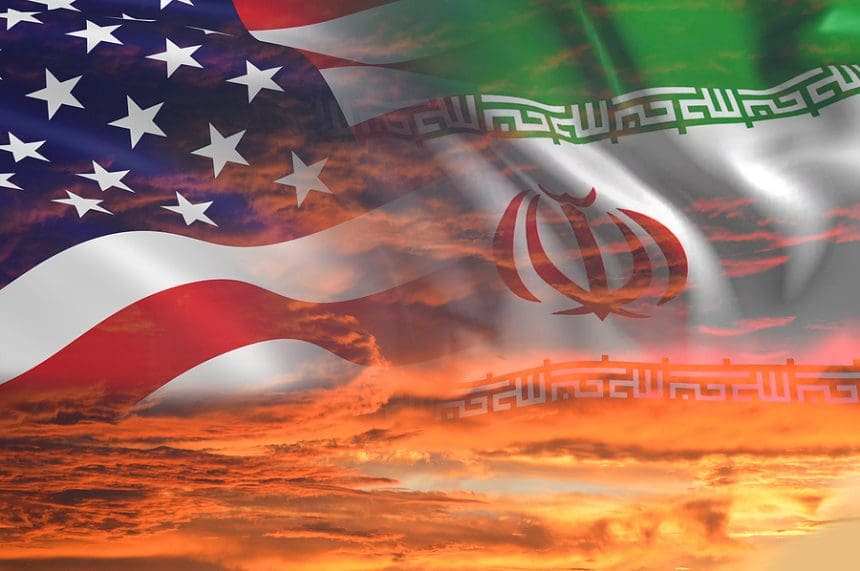
Iran claims it has enough enriched uranium for up to 11 nuclear bombs, triggering urgent reactions from U.S. officials.
Washington says it is closely monitoring Tehran’s nuclear capacity amid rising Middle East tensions.
The development adds new pressure to already fragile global security conditions in 2026.
(STL.News) Rising geopolitical tensions intensified this week after Iran signaled it may possess enough enriched uranium to potentially produce up to 11 nuclear weapons, according to U.S. assessments. The statement, highlighted in the accompanying video, comes at a time of elevated instability across the Middle East and renewed scrutiny of nuclear proliferation risks.
While Iran has long insisted its nuclear program is for peaceful energy purposes, Western intelligence officials have repeatedly warned that enrichment levels and stockpiles are approaching weapons-grade capability. The latest claim, if accurate, represents a significant escalation in nuclear potential and could reshape strategic calculations in Washington, Tel Aviv, and across allied capitals.
What the Claim Means
At the center of the concern is enriched uranium. Nuclear weapons require uranium enriched to approximately 90 percent purity. Civilian nuclear energy programs typically operate at much lower levels. The issue, according to U.S. officials, is not only the amount of material Iran has accumulated but also how quickly it could further refine that material if a political decision were made.
Experts often refer to this threshold as “breakout time,” the period required for a nation to produce enough weapons-grade uranium for a bomb. Over the past several years, Iran’s breakout time has reportedly shortened dramatically compared to the period immediately following earlier nuclear agreements.

If Iran indeed holds sufficient material for multiple warheads, it shifts the debate from theoretical capability to strategic intent. The material alone does not equal a functioning nuclear weapon. Designing, assembling, and testing such a device involves additional technical steps. However, possession of the core material is widely viewed as the most critical milestone.
U.S. Response and Strategic Calculations
The United States has publicly stated that it is closely monitoring Iran’s nuclear activities and remains committed to preventing Tehran from obtaining a nuclear weapon. Officials emphasize diplomatic channels but have not ruled out other measures if necessary.
Washington faces a complicated strategic landscape. Military action carries significant risks, including regional escalation involving proxy groups and allied forces stationed throughout the Middle East. Diplomatic negotiations, meanwhile, have repeatedly stalled amid mutual distrust and shifting political leadership in both countries.
For American policymakers, the situation presents a delicate balance: deter further advancement without triggering a broader conflict.
Regional Implications
The Middle East is already navigating a period of high volatility. Several nations in the region consider Iran’s nuclear potential an existential threat. Israel, in particular, has consistently warned it will not allow Iran to obtain nuclear weapons capability.
Neighboring Gulf states are also closely watching developments. A confirmed expansion of Iran’s nuclear capacity could accelerate defensive alliances, arms procurement, and potentially spark a regional arms race.
Such a race would carry global consequences. Energy markets are highly sensitive to regional instability, and even speculation about military confrontation can drive volatility in oil prices. For businesses and consumers in the United States, including here in the Midwest, fluctuations in fuel and commodity prices often follow geopolitical uncertainty.
The Broader Nuclear Context
Iran’s nuclear ambitions have been a source of international debate for decades. Previous agreements aimed to limit enrichment levels and impose inspection regimes in exchange for sanctions relief. However, compliance disputes and shifting geopolitical alliances have eroded confidence in long-term stability.
International monitoring bodies have previously reported increased uranium enrichment beyond agreed thresholds. Tehran maintains that its actions are a response to sanctions and the breakdown of prior commitments.
The core question remains whether diplomatic frameworks can be rebuilt or whether the window for negotiated limits has narrowed beyond repair.
Military vs. Diplomatic Pathways
Military analysts caution that any direct strike on nuclear facilities would likely provoke a multi-front response. Iran maintains relationships with regional proxy groups capable of targeting U.S. interests and allied nations. Escalation could quickly extend beyond nuclear sites into broader conflict.
Diplomacy, however, requires political will on both sides. Sanctions relief, economic incentives, and security guarantees have historically been part of negotiations. Yet domestic political pressures in Washington and Tehran complicate the willingness to compromise.
The stakes are high. Preventing nuclear proliferation remains a central pillar of global security policy. At the same time, avoiding full-scale war is equally critical.
Economic Ripple Effects
For Americans, geopolitical instability often translates into economic impact. Energy prices, financial markets, and supply chains can react sharply to developments in the Middle East.
Investors typically respond to rising tensions with caution, shifting assets toward perceived safe havens. Meanwhile, industries reliant on stable fuel costs may face short-term volatility.
Local economies, including St. Louis and the broader Midwest, are not immune to these shifts. Transportation, manufacturing, agriculture, and logistics sectors all depend on predictable energy pricing.
Intelligence and Verification Challenges
One of the complexities surrounding nuclear claims is verification. Intelligence assessments rely on satellite imagery, inspection reports, intercepted communications, and technical analysis. Public statements may not always reflect the full scope of classified evaluations.
In high-stakes geopolitical situations, messaging also plays a strategic role. Governments may amplify or downplay capabilities depending on diplomatic positioning.
For global observers, separating confirmed technical capability from political rhetoric is often challenging.
Global Diplomatic Pressure
European nations and other global powers are likely to increase diplomatic engagement following these developments. Multilateral frameworks remain the preferred path for many countries seeking to prevent nuclear escalation without resorting to force.
China and Russia, both influential players in international diplomacy, may also shape the direction of negotiations depending on their strategic interests.
International cooperation will be critical in determining whether this situation moves toward renewed talks or further confrontation.
What Comes Next
The immediate future will likely involve intensified diplomatic communications, intelligence monitoring, and public statements from global leaders. Whether this moment becomes a turning point toward de-escalation or a step closer to confrontation remains uncertain.
For now, the claim that Iran possesses material sufficient for multiple nuclear weapons has elevated concerns worldwide. The response from the United States and its allies will be carefully calibrated to deter further advancement while minimizing the risk of broader conflict.
As global tensions evolve, developments in the Middle East will continue to shape economic, political, and security discussions far beyond the region. For readers in St. Louis and across the country, understanding the broader implications of nuclear proliferation is essential to grasping how international events connect to local realities.
The situation remains fluid, and policymakers face a defining test of strategy, diplomacy, and deterrence in the weeks ahead.
© 2026 St. Louis Media, LLC d.b.a. STL.News. All rights reserved. No content may be copied, republished, distributed, or used in any form without prior written permission. Unauthorized use may result in legal action. Some content may be created with AI assistance and is reviewed by our editorial team. For official updates, visit STL.News.