Iran Intensifies Pressure on Gulf States and Israel Amid Regional Tensions
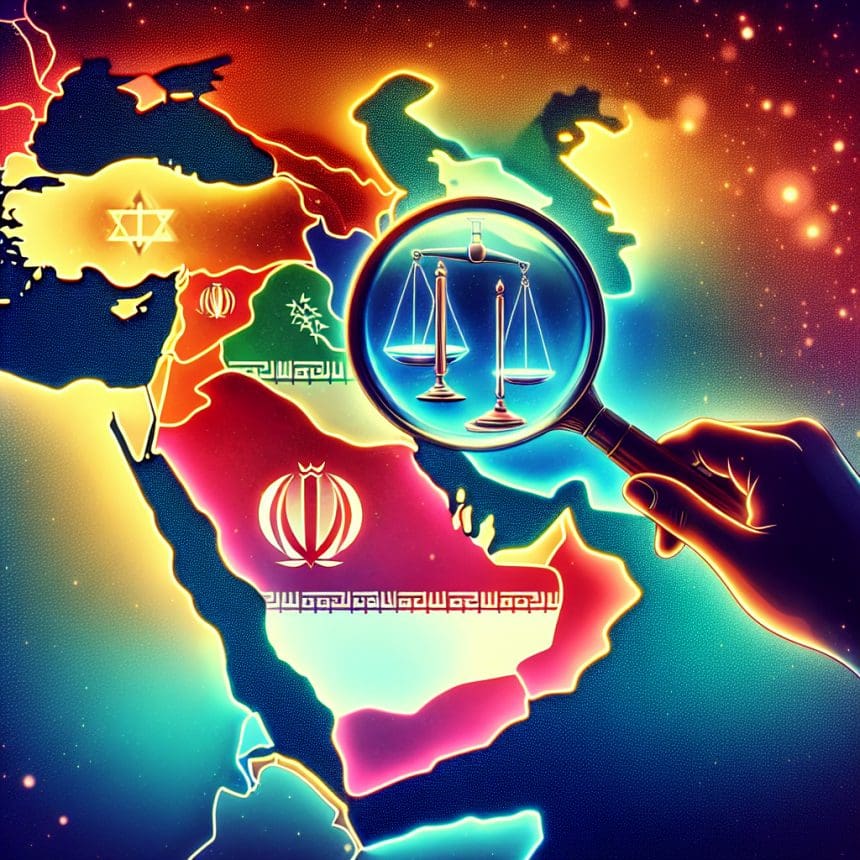
In a significant shift in Middle Eastern dynamics, Iran has escalated its rhetoric and military posturing against Gulf states and Israel this week, aiming to strengthen its regional influence. On Monday, Iranian officials criticized various nations in the Gulf and labeled Israel as an “immediate threat” to stability in the region. The Iranian government, led by President Ebrahim Raisi, is reportedly implementing a strategy focused on counteracting what it perceives as Western aggression and intervention in the Middle East. This development highlights the ongoing tensions that could potentially reshape alliances and confrontations in a volatile geopolitical landscape.
Iran’s Recent Warnings and Military Maneuvers
Iran’s recent provocations come amid escalating tensions between Tehran and its neighbors, particularly following the U.S. withdrawal from the Iran nuclear deal in 2018 and the subsequent re-imposition of sanctions that have severely impacted its economy. Iranian officials, through various media outlets, have underscored their commitment to counter threats posed by Gulf states aligned with Western powers, particularly Saudi Arabia and the United Arab Emirates (UAE).
Experts have noted that Iranian military exercises in the Persian Gulf, which include the deployment of naval assets and missile tests, signal Tehran’s readiness to assert its position. “This is about deterrence,” stated military analyst Ahmad Sharif. “Iran is sending a clear message that it will not tolerate any infringement on its sovereignty.”

Navigating Regional Alliances
The context of Iran’s aggressive stance involves a complex web of alliances and historical rivalries. Countries in the Gulf Cooperation Council (GCC) have increasingly strengthened their military and economic ties with the West, particularly the United States, in response to perceived threats from Iran. In recent years, the GCC has also cultivated warmer relations with Israel, culminating in the Abraham Accords, which formalized diplomatic relations and economic cooperation.
This alliance gives Iran a profound reason to amplify its rhetoric. “The normalization with Israel is a strategic nightmare for Iran,” said Reza Mohammadi, an Iranian political analyst. “It widens their adversaries’ influence in the region and shapes a coalition against Tehran.”
Implications for Regional Security
The growing tensions have prompted concerns among regional and international observers about the potential for conflict. Analysts suggest that Iran’s increasing assertiveness could spark military confrontations if miscalculations occur. The United States, closely monitoring the situation, has expressed its commitment to ensuring the safety of its allies and maintaining freedom of navigation in the Gulf.
Moreover, Iran’s nuclear ambitions remain a crucial element in these dynamics. The country has announced advancements in its nuclear program, which it claims are purely for civilian purposes, yet many perceive this as a step toward developing a nuclear weapon capability. The fear of a nuclear-armed Iran has propelled both Israel and Gulf states to bolster their military preparedness.
Economic Repercussions
The tensions between Iran, the Gulf states, and Israel also carry significant economic implications. The region is vital for global energy supplies, with the Strait of Hormuz being a critical chokepoint for oil shipments. Any military conflict could lead to severe disruptions in oil production and shipping routes, thereby impacting global oil prices.
Markets reacted to the heightened tensions this week, with oil prices climbing as investors began to hedge against potential disruptions to supply. Economists warn that prolonged instability could also hinder recovery efforts in various Middle Eastern economies still grappling with the repercussions of the COVID-19 pandemic.
International Responses
As the situation develops, international responses will play a crucial role in shaping the trajectory of the conflict. While the United States has reaffirmed its stance against Iranian aggression, European nations are advocating for diplomatic dialogues to de-escalate tensions. The forthcoming nuclear talks in Vienna, intended to revive the 2015 nuclear deal, will also be scrutinized for their impact on regional stability.
Russia and China, both of whom have vested interests in the region, have urged for multilateral negotiations and expressed concern over escalating military posturing. Their involvement could further complicate the situation but also offers a potential avenue for conflict resolution.
Looking Ahead
The ongoing developments underscore a critical moment in Middle Eastern politics, one where longstanding rivalries are intertwined with new geopolitical realities. Iran’s strategy to exert pressure on its neighbors, particularly the Gulf states and Israel, may lead to increased militarization and harder stances from all parties involved.
As countries assess their security posture in light of Iran’s actions, it’s essential for policymakers to engage in regional dialogues that prioritize stability and security. The risk of miscalculation remains high, and with the international community watching closely, any significant developments in this theater will resonate globally.
Conclusion
Iran’s recent tirades against Gulf states and Israel illustrate a broader strategy aimed at asserting dominance amidst regional turmoil. As nations reassess their alliances and responses, the Middle East stands at a crossroads where dialogue and diplomacy are needed now more than ever. The dynamics of this relationship will undoubtedly shape the security landscape for years to come, necessitating vigilance from both regional players and the international community.