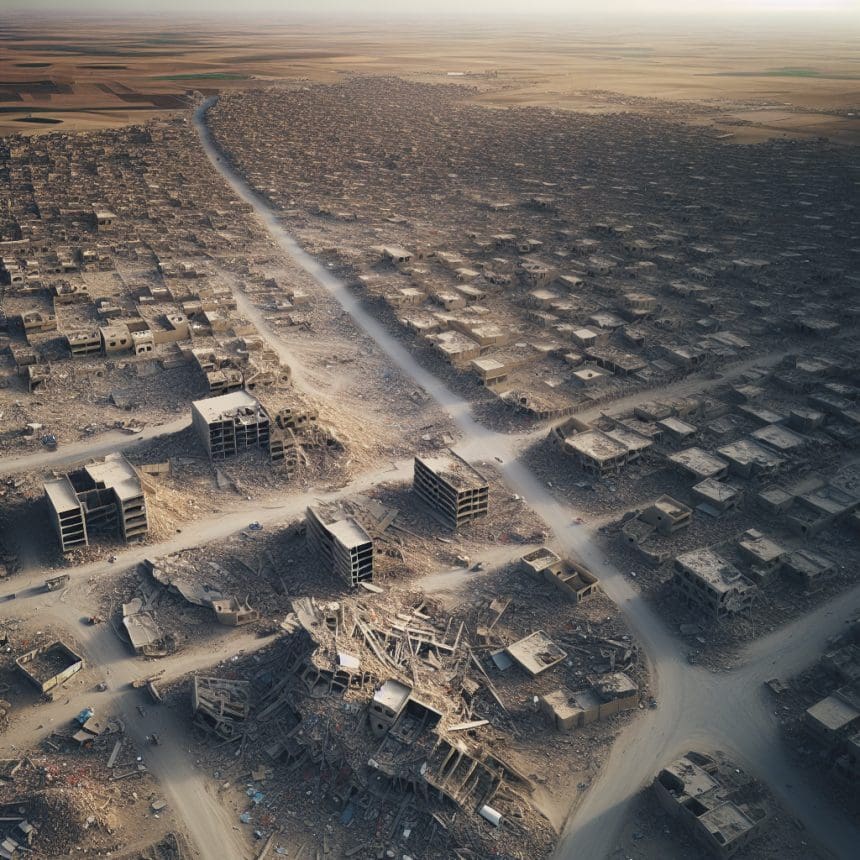
Headline: Devastating Satellite Images Reveal Damage in Iran, Gulf States
Recent satellite imagery has unveiled extensive damage across regions of Iran and several neighboring Gulf nations, following a series of natural disasters and geopolitical tensions. The images, captured in mid-October 2023, depict widespread destruction in infrastructure, residential areas, and agricultural zones, raising concerns about humanitarian impacts and recovery efforts in these areas.
The imagery, sourced from reputable satellite platforms, illustrates the effects of multiple earthquakes and intense storms that have ravaged parts of Iran, including the provinces of Fars and Hormozgan. In nearby Gulf nations, particularly in areas bordering the stricken regions, the aftermath can also be seen in affected towns and cities.
Overview of the Situation
The satellite images reveal a grim landscape across both Iranian and Gulf regions, where brutal conditions have led to significant casualties, displacement, and the total or partial collapse of many structures. Following a 6.5 magnitude earthquake near the Persian Gulf, communities within Iran were left in dire need of aid—especially towns that were already grappling with infrastructure deficits due to years of economic challenges.
In response to these natural calamities, governments, NGOs, and international organizations have mobilized resources to provide immediate relief. Local agencies are also working to restore basic services, although their efforts are hindered by ongoing supply chain issues.

Detailed Analysis of the Damage
The high-resolution satellite images reveal several critical aspects of the damage inflicted on various infrastructures:
-
Residential Areas: Many homes in cities such as Bandar Abbas and Kerman have suffered extensive damage, leading to the loss of shelter for thousands. The photographs display roofs that have caved in, debris scattered in streets, and entire neighborhoods rendered uninhabitable.
-
Transportation Networks: Key roadways and bridges connecting vital economic areas have sustained significant impairments, hampering both recovery efforts and everyday commutes. The deterioration of these transport hubs has raised questions about how quickly essential supplies can reach affected regions.
- Agricultural Impact: Lands that once flourished with crops are now unrecognizable due to soil erosion and flooding. Areas depicted in the satellite images showcase flooded fields and washed-out irrigation systems, leading to concerns about food security in the region.
Humanitarian Response
In light of the crisis, several organizations have stepped forward, pledging to assist with immediate and long-term recovery plans. Notable players include the Red Crescent Society in Iran, which is coordinating local volunteer efforts, and international bodies such as the United Nations, which has dispatched relief teams to assess the damage and distribute aid.
Local responders have emphasized the urgent need for medical supplies, clean water, and temporary shelter for displaced families. Fundraising campaigns are already underway to provide much-needed financial assistance in affected areas.
Global Implications
The impact of these disasters extends beyond local borders. The geopolitical landscape in the Gulf region, already fraught with complexities, may further shift as neighboring nations react to the crisis.
Heightened scrutiny on Iran’s internal situation and its relationships with other Gulf countries may arise, as many nations are closely watching how the Iranian government handles this crisis. The potential for regional economic instability is a real concern, given the importance of oil production in both Iran and neighboring states.
Future Outlook
As recovery efforts begin, projections indicate a long road ahead for these regions. Analysts estimate it could take years to fully rebuild the infrastructure and restore stability.
Technological Advancements: Satellite imaging technology has become crucial for monitoring the damage and assessing areas in need of immediate assistance. Governments and NGOs are increasingly relying on these resources as part of their disaster response frameworks.
Collaboration is Key: The situation signals a potential opportunity for greater collaboration among Gulf countries. Nations may find it beneficial to unite in efforts aimed at recovery and rebuilding, which could ease tensions and foster diplomatic ties.
Conclusion
The satellite images serve not only as evidence of the extensive damage inflicted on Iran and surrounding Gulf nations but also as a reminder of the urgent humanitarian needs arising from natural disasters. As governments, NGOs, and international organizations continue to respond, the focus must remain on providing swift relief and long-term recovery solutions to the affected regions.
Ongoing monitoring through satellite technology will play an essential role in guiding future recovery efforts and ensuring that aid reaches those in desperate need. As the situation develops, the global community watches with hope for a swift and effective response that prioritizes the resilience of these vulnerable nations.