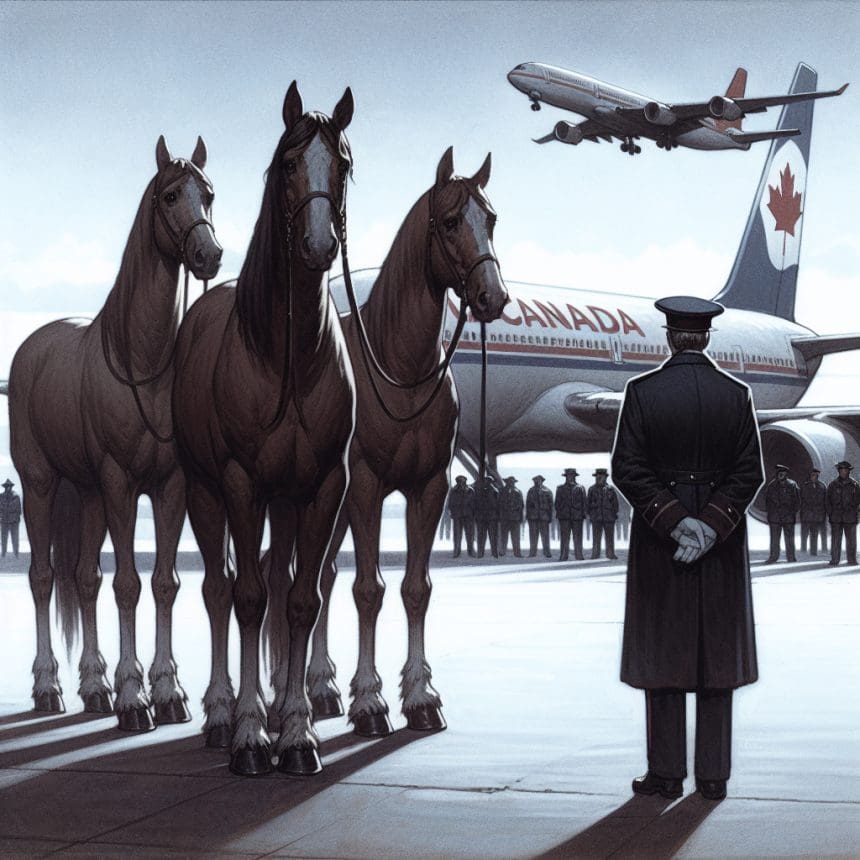
Headline: Concerns Grow as Horses Continue to Die on Canada-Japan Flights
Horses are reportedly still dying during transport from Canada to Japan, raising alarm among animal welfare advocates and industry stakeholders. Multiple incidents have surfaced over the past few months, and a recent investigation reveals that regulatory bodies may not be fully aware of the gravity of the situation. The ongoing issue highlights serious concerns regarding the welfare standards implemented during international animal transport and calls into question the oversight by relevant authorities.
As the demand for thoroughbred horses increases in Japan, particularly for competitive racing and breeding, the transportation logistics have become increasingly challenging. In 2023, the number of horses being flown from Canada to Japan has surged, with reports indicating that approximately 100 horses have died during or shortly after flights. Observers have noted that the lack of stringent regulations and oversight may be contributing factors to these tragic outcomes.
One notable incident involved a shipment last month where six horses did not survive the journey, raising scrutiny about how these animals are housed and cared for during transit. Those involved in the shipping process have reported that inadequate ventilation, extreme temperature fluctuations, and stress are often endured by these horses while airborne. Advocates argue that better guidelines should be established to ensure the health and safety of the equines being transported.

Despite the growing number of fatalities, regulatory bodies in both Canada and Japan seem to be lagging behind in their response. The Canadian Food Inspection Agency (CFIA) and Japan’s Animal Quarantine Service are under fire for their lack of awareness and inadequate action on behalf of the horses. Critics claim that both agencies need to implement more concrete measures, such as enhanced monitoring and stricter regulations governing animal transportation.
Veterinarians who specialize in equine health have weighed in on the situation, emphasizing the need for improved transport protocols. "Long-distance flights can be incredibly taxing on horses, and without proper care, the consequences can be dire," says Dr. Lisa Thompson, an equine veterinarian based in Ontario. Experts recommend that airlines adopt best practices outlined by organizations such as the International Air Transport Association (IATA), which provides guidelines on how to safely transport live animals.
Animal welfare organizations have taken a hard stance, urging the CFIA and other stakeholders to prioritize the health of the horses. The World Animal Protection organization has been vocal in its plea for changes, stating that the treatment of these horses during transit is not only inhumane but also indicative of a larger systemic problem in animal transport regulations.
"When we send these animals on long flights, we must understand that they are not just cargo; they are sentient beings that require humane treatment," explained Sarah Jenkins, a spokesperson for the organization. "These repeated instances of death show a glaring disregard for their welfare, and it’s unacceptable."
Stakeholders connected to the thoroughbred industry are also raising their concerns. Some breeders and trainers have expressed disbelief that regulatory bodies could be unaware of the deaths occurring during flights. "It’s a huge oversight, and it begs the question of how much these agencies are actually monitoring the situation," said John Harper, a prominent horse breeder in Alberta.
The rising public concern circles back to the responsibility of horse owners, breeders, and transport companies in ensuring equine welfare. Many industry professionals argue that increased education and adherence to best practices are crucial to remedying the situation. The Transportation of Animals Directive (TAD) in both countries emphasizes the humane treatment of animals, yet it seems there is a disconnect when it comes to implementation during these airlifts.
Calls for more proactive measures are intensifying. Advocates are demanding an independent review of the practices involved in transporting horses internationally. They also urge that any changes must encompass a holistic approach, involving not only regulatory bodies but also airlines, transport companies, and horse owners.
Additionally, there are recommendations for greater transparency in reporting animal fatalities during flights to ensure a clearer picture of the issue. Regulators and stakeholders should work collaboratively to build a comprehensive database to monitor these incidents and implement corrective measures as necessary.
As public sentiment shifts toward prioritizing animal welfare more emphatically, the pressure is mounting on both the Canadian and Japanese regulators to take decisive action. With the international community closely watching, there is an opportunity to set a precedent for safe and humane animal transport.
In the coming weeks, animal welfare advocates are planning to stage protests to shed light on the issue and demand immediate reform. They contend that every horse’s life is valuable and deserves respect and care, regardless of its purpose or destination.
The ongoing situation with horse transport from Canada to Japan underscores a critical need for regulatory changes and heightened awareness surrounding animal welfare in international transport. With pressure from both the public and industry professionals mounting, the hope is that swift action will be taken to prevent further tragedies and ensure the humane treatment of all animals during transit.
As conversations around animal welfare and transport continue to develop, it will be essential for all stakeholders to remain vigilant and proactive in addressing these pressing issues. The need for systemic change in how horses are treated during international flights has never been more urgent, and it’s imperative for regulatory bodies to step up and fulfill their responsibilities to protect these majestic creatures.