Hegseth Rescinds Suspension of Military Pilots After Flyover
In a decisive move, U.S. Army officials lifted the suspension of two military pilots this week, following their controversial helicopter flyby over the residence of musician Kid Rock in Nashville, Tennessee. The incident, which occurred last Friday during a training exercise, drew public attention and sparked debate regarding military protocol and citizen privacy. Army spokespersons confirmed the decision on Wednesday, acknowledging the pilots’ actions but stating that they acted within operational parameters.
Background on the Incident
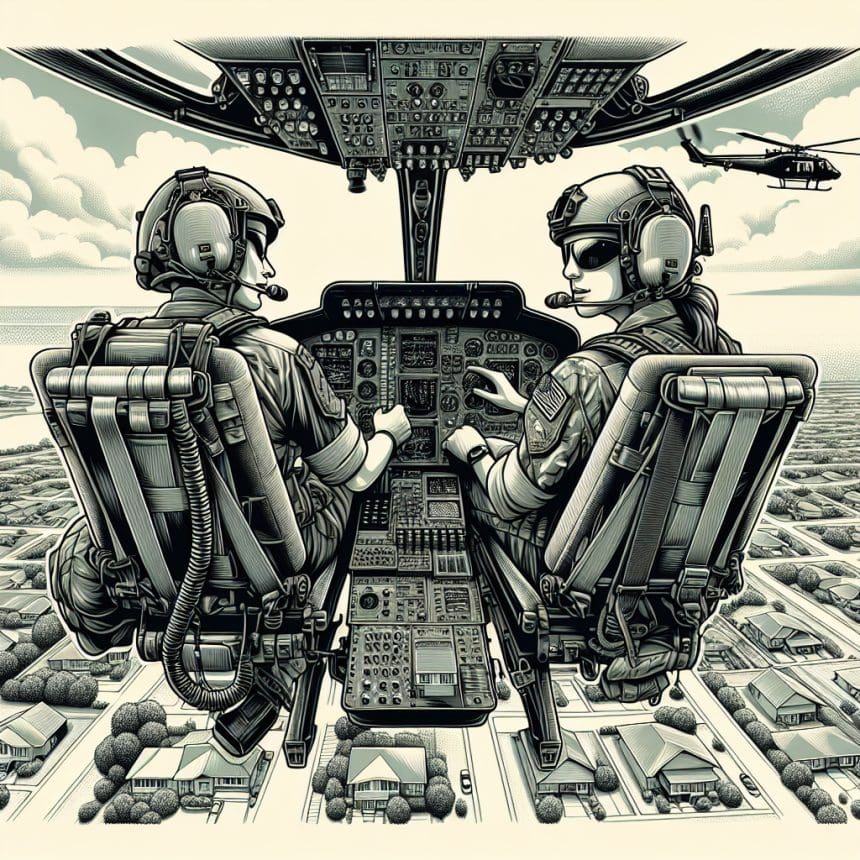
The incident began during a routine training session intended to enhance the pilots’ skills and familiarization with urban environments. The Apache helicopters flew low over Kid Rock’s home, where they were reportedly spotted by onlookers, leading to the viral spread of videos on social media platforms. By Saturday afternoon, the clips had garnered significant attention, and criticism swiftly followed, prompting an internal review by the Army.
The pilots, who remain unnamed due to privacy concerns, were initially placed under suspension as the Army assessed the situation. The review included analyzing the operational guidelines governing low-altitude flight paths and the rules of engagement during training missions. The swift response from the Army reflected heightened concerns over military practices and civilian experiences in training zones.
Public Reaction and Concerns
The flyby ignited widespread discussions online, with many voicing their opinions on social media. Proponents of military training argued that such exercises are vital for effective preparation, particularly when engaging in urban warfare scenarios where familiarity with different terrains can be crucial. Critics, however, expressed concerns about the appropriateness of flying military helicopters over private property, citing the potential violation of personal space and the disturbance caused to civilians.

Kid Rock himself responded to the incident in a light-hearted manner on his social media platforms, mentioning how the flyover only added to his already colorful lifestyle in Nashville. However, he acknowledged that while he’s a supporter of the military, there are limits to what should be done in training exercises, especially when it crosses the threshold into residential areas.
Army’s Official Stance
In the wake of the incident, U.S. Army spokesperson Lieutenant Colonel Jessica Martinez issued a statement clarifying the organization’s position on military training exercises. “We take our responsibilities to the communities in which we operate very seriously, and while training is essential for national defense, we strive to conduct it in a manner that respects and honors the privacy of our fellow citizens,” she explained.
Martinez confirmed that the internal review revealed that the pilots acted within the prescribed guidelines for low-altitude training. However, considerations for ensuring minimal disturbance to civilian life will be taken more seriously moving forward. The Army is now reviewing its protocols to incorporate clearer guidelines about training exercises conducted in civilian zones to enhance community relations.
Moving Forward: Changes in Training Protocols
Following this incident, military officials are revisiting their training protocols, particularly those involving urban environments. Enhanced communication with local communities and more stringent guidelines on altitude restrictions may be introduced to alleviate concerns surrounding future exercises.
The discussion about military presence over residential areas is not a new one. As urban centers expand and military bases remain active, it becomes increasingly critical to balance necessary training with respect for civilian lives. The Army aims to forge stronger community relations and improve transparency surrounding its operational mandates.
Implications for the Military and Community Relations
The interaction between military operations and civilian life is complex and multifaceted. The re-evaluation of training protocols extends beyond just this incident; it reflects the broader implications military operations have on local populations. As communities grow and change, their relationship with nearby military entities must adapt, rooted in mutual respect and understanding.
Experts in military ethics and civic engagement assert that incidents like the Kid Rock flyover highlight the necessity for dialogue between military leaders and community representatives. Building trust and fostering open lines of communication can help assuage public concerns and reinforce the Army’s commitment to its role as a community partner.
Conclusion
As the Army rescinds the suspensions of the two pilots involved in the Kid Rock flyover, the focus shifts toward the future. With a commitment to refining training exercises and improving community relations, military authorities are poised to uphold their obligation to both operational readiness and civilian respect.
This incident serves as a reminder of the delicate balance that must exist between national defense needs and the sanctity of civilian life. As policy adjustments arise from this event, the hope is for a more compassionate approach to military training that honors both service members and the citizens they protect.
By ensuring that military practices align with community expectations, the Army can reinstate trust and promote a cooperative atmosphere that uplifts both service and civilian life. Moving forward, the integration of feedback from the community may well pave the way for effective training exercises that minimize disturbance while maximizing readiness.