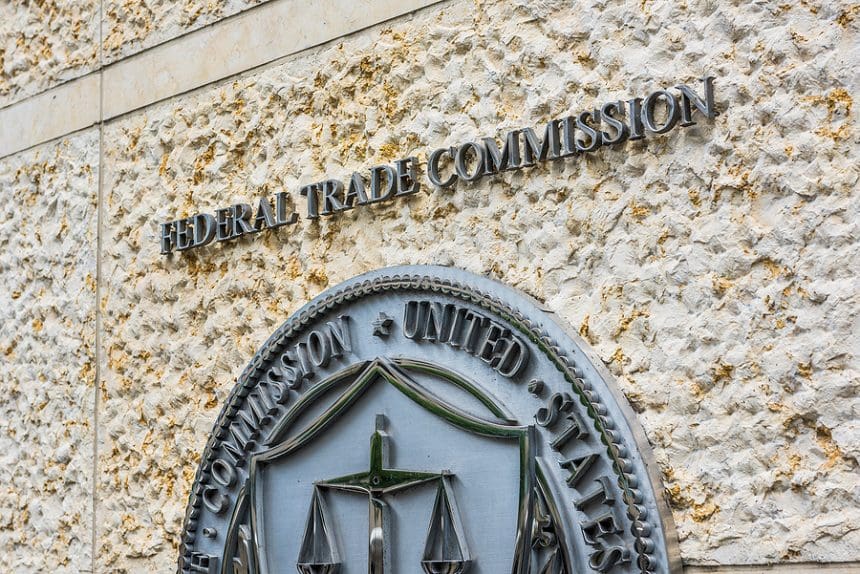
February 2026 | Washington, D.C.
The Federal Trade Commission has issued a formal warning to data brokers, reminding them that U.S. law strictly limits how Americans’ sensitive personal data can be shared or sold overseas.
The agency emphasized that transferring protected data to foreign adversaries is prohibited under federal statute and may trigger enforcement actions.
Civil penalties and regulatory consequences could follow for companies that fail to bring their data practices into compliance.
FTC Signals Enforcement Focus on Data Brokers
(STL.News) The Federal Trade Commission is sharpening its focus on the data-broker industry, warning companies that collect, package, or sell consumer information that they must comply with federal restrictions governing the transfer of sensitive U.S. data abroad.
In a public reminder issued this month, the agency stressed that data brokers are legally prohibited from selling, licensing, sharing, or otherwise making certain categories of personal data available to foreign adversaries or entities controlled by them. The FTC made clear that ignorance of a buyer’s ultimate ownership or use of the data will not shield companies from liability.
What the Law Prohibits
At the center of the FTC’s warning is a federal law designed to prevent Americans’ most sensitive personal information from falling into the hands of hostile foreign governments. The statute broadly restricts data transfers connected to countries including China, Russia, Iran, and North Korea, as well as companies owned or controlled by those governments.

The law applies regardless of whether the transfer is framed as a sale, subscription, analytics product, or “insights” service, closing loopholes commonly used in the data marketplace.
Broad Definition of Sensitive Data
The FTC emphasized that the law’s definition of protected information is intentionally expansive. Covered data includes health and medical records, biometric identifiers, precise geolocation data, financial information, government-issued identification numbers, login credentials, and data revealing sexual behavior or personal relationships.
Even aggregated or inferred data may be subject to scrutiny if it can be reasonably linked to identifiable individuals. The agency noted that certain datasets—such as those that identify military service members or federal employees—pose heightened national security concerns.
Warning Letters Sent to Industry Players
As part of the initiative, the FTC confirmed it sent warning letters to multiple data brokers whose business models or product offerings indicated potential legal exposure. The letters served as notice that ongoing or future violations could result in enforcement action.
While the agency did not announce immediate penalties, the message was clear: compliance reviews are expected, and companies should not assume past practices remain lawful under the current regulatory environment.
Penalties and Compliance Risks
Violations of the law may result in significant civil penalties, with fines assessed per violation. For companies handling large volumes of consumer data, the financial exposure could escalate quickly.
Beyond fines, the FTC signaled that enforcement could include injunctive relief, mandatory changes to data-handling practices, and increased regulatory oversight—outcomes that could materially disrupt data-broker operations.
Why This Matters Now
The FTC’s warning reflects a broader shift in U.S. policy linking data privacy to national security. As consumer data becomes more granular and predictive, regulators are increasingly concerned about how information flows across borders and who ultimately gains access to it.
For data brokers, advertisers, analytics firms, and platforms that rely on large-scale personal data, the announcement serves as a reminder that compliance obligations extend beyond traditional privacy policies and into geopolitical risk territory.
What Comes Next
The FTC has indicated that enforcement will remain a priority. Companies operating in the data economy are expected to audit their data sources, buyers, and distribution channels to ensure that prohibited transfers do not occur—directly or indirectly.
As scrutiny intensifies, the agency’s message to the industry is straightforward: handling sensitive American data now carries legal responsibilities that extend well beyond the marketplace.
Other Business News articles published on STL.News:
- Dow 50,000: What Comes Next
- SEC Charges ADM and Former Executives with Fraud
- Federal Reserve Approves Cornerstone Capital Bancorp Acquisition
- OCC Closes Multiple Bank Enforcement Actions in December Review
- What to Look for in a Forex Trading Platform
© 2026 – St. Louis Media, LLC d.b.a. STL.News. All Rights Reserved. Content may not be republished or redistributed without express written approval. Portions or all of our content may have been created with the assistance of AI tools, such as Gemini or ChatGPT, and are reviewed by our human editorial team. For the latest news, head to STL.News.