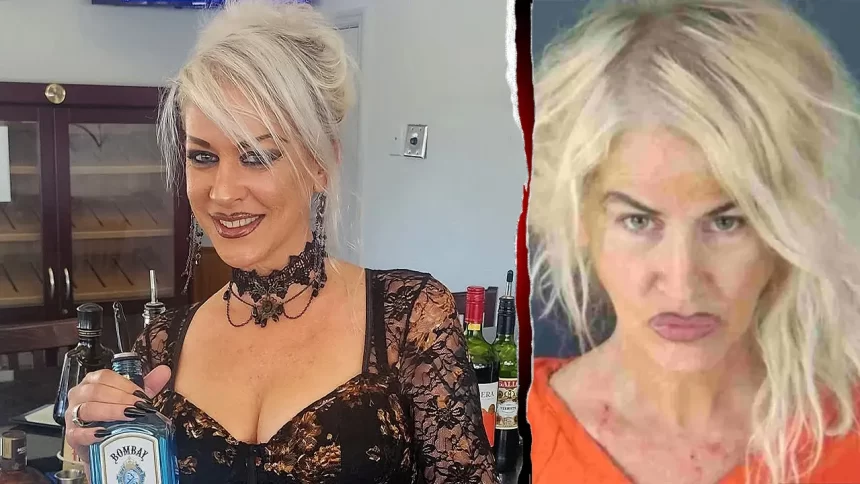
Headline: Woman Admits to Fatal Stabbing of 76-Year-Old Veteran
A Florida woman has confessed to fatally stabbing her 76-year-old veteran roommate in a tragic incident that unfolded early Tuesday morning in their shared residence in Daytona Beach. The woman, identified as 42-year-old Brandi Johnson, reportedly claimed the act was triggered by a heated argument. Authorities responded to a call shortly after 1 a.m., discovering the body of the victim, Harold Thompson, in the living room of their apartment. Johnson is currently in police custody, facing charges of first-degree murder.
As the investigation continues, details surrounding the motive and events leading up to the stabbing are emerging. According to the police report, neighbors heard loud shouting prior to the incident, prompting them to contact law enforcement. Witnesses described the atmosphere in the apartment complex as unusually tense in the days leading up to the stabbing, citing several altercations between Johnson and Thompson.
The tragic event raises pressing questions regarding domestic violence and mental health issues in shared living environments. Statistics indicate that roommates can often find themselves in volatile situations, leading to fatal outcomes. Experts urge a deeper examination of such living arrangements, particularly when one party may be experiencing emotional distress.

Johnson’s prior history includes several minor run-ins with the law, but nothing that would have suggested violent behavior. Family members of Thompson expressed shock at the incident, stating that he was a decorated veteran who served in the Vietnam War. They recalled him as a kind and gentle person who would go out of his way to help others. Thompson’s family is now left grappling with the unimaginable loss and the circumstances that led to his untimely death.
Legal experts predict that Johnson could face significant prison time if convicted, considering the nature of the crime and her admission of guilt. First-degree murder in Florida carries a minimum sentence of life in prison or potentially the death penalty, depending on the circumstances of the case. The state is known for its firm stance on violent crimes, and prosecutors are likely to pursue severe penalties.
Community reaction has been swift and varied, with some expressing outrage while others seek to understand the complexities of roommate dynamics. Local advocacy groups that focus on mental health and violence prevention are calling for a broader conversation about the underlying issues that can lead to tragic incidents like this. They emphasize the need for accessible resources for individuals facing domestic disputes, including counseling and mediation services.
As the legal process unfolds, members of the community are encouraged to engage in discussions about violence prevention and support systems. Several community organizations are scheduling forums to address the rising concerns surrounding domestic violence, emphasizing the need for education and awareness.
Public safety remains a top priority for local law enforcement agencies. The Daytona Beach Police Department reiterated its commitment to investigating domestic violence thoroughly and urged individuals living in challenging environments to seek help. The department has resources available for those experiencing similar situations, including hotlines and counseling services.
As this case develops, it serves as a sobering reminder of the complexities surrounding domestic relationships. The tragic story of Harold Thompson highlights the importance of intervention and dialogue to prevent future incidents. Lawmakers have also begun to discuss potential legislative measures to improve support for individuals living in shared housing situations.
In light of this incident, many are reflecting on the need for community vigilance and the importance of checking in on vulnerable individuals living in communal settings. Friends and family members are encouraged to foster open communication and prioritize well-being.
The case has drawn attention beyond Daytona Beach, resonating with those who have faced similar challenges in their living arrangements. The story serves as a warning about the potential volatility in shared households and the urgent need for improved mental health resources.
As the nation grapples with ongoing discussions about violence and mental health, the case of Brandi Johnson and Harold Thompson continues to unfold. The community is left to ponder deeper systematic solutions to prevent future tragedies.
While no one can predict the outcome of Johnson’s trial, her confession raises critical questions about culpability, mental health, and the consequences that arise from heated disputes. Throughout this tumultuous time, support for Thompson’s family remains paramount as they navigate their loss and seek to honor his legacy.
In the coming weeks, as more information becomes available and the community comes together to reflect, it is hoped that such tragedies can be mitigated in the future. The case will undoubtedly prompt ongoing dialogue about mental health awareness, violence prevention, and communal living arrangements, all essential facets in fostering safer living environments.
In a world grappling with issues of mental health, violence, and community stability, this tragic case exemplifies the need for collective support and intervention. As the local community begins to process the events, it becomes an essential part of a larger conversation about how best to safeguard individuals and ensure that no one experiences such devastating outcomes within their own homes.
This incident is a tragic reminder that understanding the signs of distress in a living environment is crucial and illustrates the importance of outreach and intervention. The community must continue to work together to build a safer, more supportive environment for all residents, particularly in situations where fragility and conflict may breed disaster.