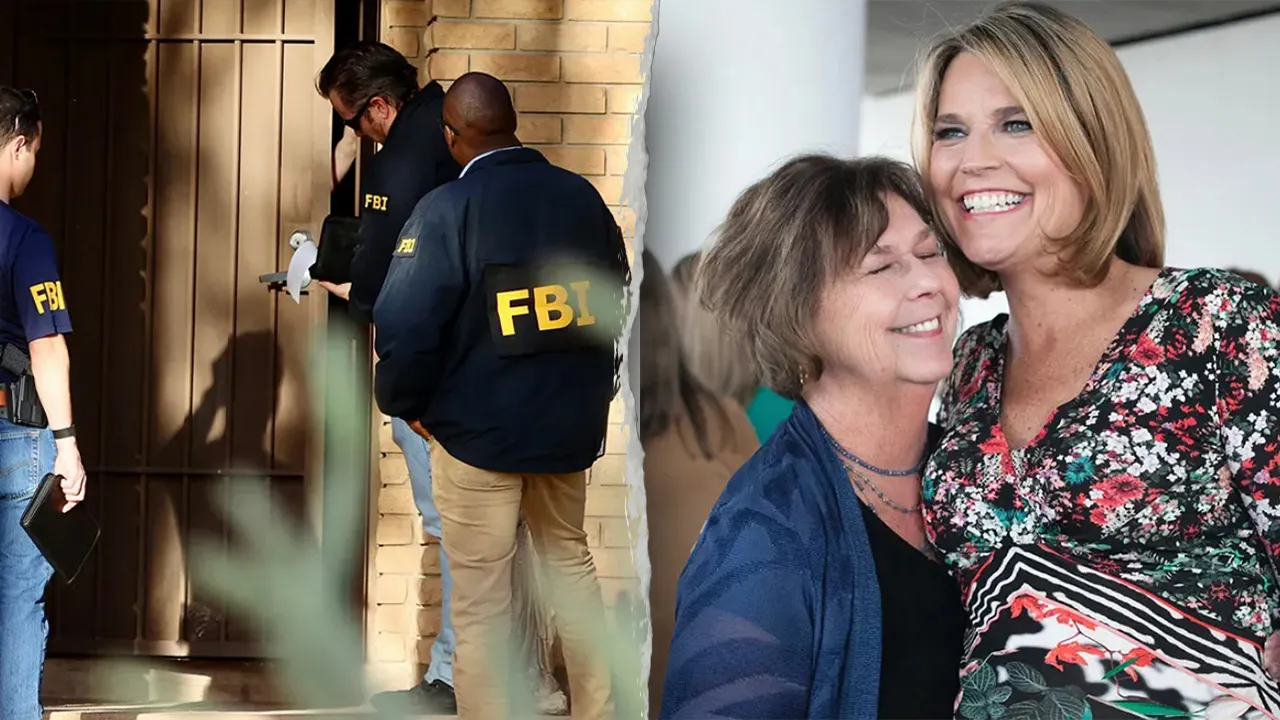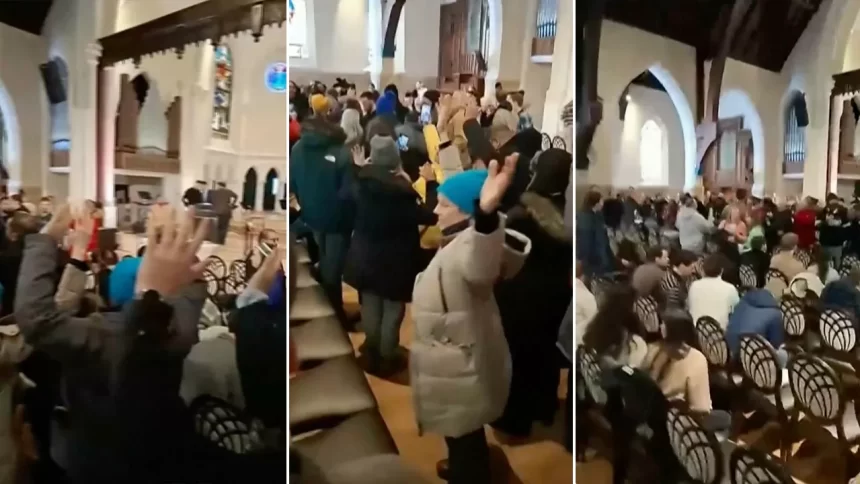
FBI Arrests Anti-ICE Activists Following Tensions at Cities Church
The recent unrest surrounding Cities Church has drawn significant national attention after anti-ICE (Immigration and Customs Enforcement) activists stormed the place of worship, resulting in multiple arrests made by the FBI. This event has sparked discussions about immigration policy, civic activism, and law enforcement’s role in maintaining order during protests.
Summary:
- FBI has apprehended several individuals linked to protests at Cities Church.
- The protests were fueled by tensions surrounding immigration policies and ICE operations.
- The arrests have ignited debates on activism, law enforcement, and community responses.
Understanding the Incident
In a dramatic turn of events, the gathering of anti-ICE activists culminated in a confrontation at Cities Church. The protesters were rallying against the government’s current immigration policies and actions taken by ICE, which many perceive as unjust. The situation quickly escalated, leading to significant interventions by law enforcement.
The Role of Activism
Civic engagement has a long history in America, and protests serve as a critical voice for marginalized communities. The anti-ICE movement has gained traction as activists raise awareness about the impact of immigration enforcement on families and communities. While passion for social justice often drives individuals to take action, the manner in which they express those frustrations can lead to unforeseen consequences.
Types of Activism
- Peaceful Protests: Demonstrations aimed at raising awareness.
- Vigilante Actions: More aggressive strategies that can lead to confrontations.
- Legal Challenges: Courting legal avenues to fight policy changes.
Law Enforcement and Public Safety
In situations where protests escalate, law enforcement agencies are tasked with maintaining public safety. The FBI’s involvement signifies the seriousness with which authorities view these actions. Arresting individuals after the Cities Church incident reflects an effort to ensure that protests do not endanger the lives of participants or bystanders.

Factors Influencing Law Enforcement Response:
- Public Safety Concerns: Ensuring the safety of all individuals involved.
- Legal Implications: Understanding the legal boundaries of protests.
- Escalation of Violence: Responding to signs of unrest that could lead to violence.
The Impact of Arrests
The arrests after the Cities Church protest serve multiple purposes. They send a message about the consequences of unlawful actions during demonstrations while also highlighting the government’s position on immigration enforcement and civil disobedience.
Effects on Activist Communities
- Chilling Effect: Potentially discouraging future activism due to fear of arrest.
- Mobilization Opportunities: Sparking discussions and renewed efforts to counteract governmental policies.
- Public Perception: Shaping how the community views activism and law enforcement.
Community Responses and Debates
The community response to the arrests has been varied. Some see them as a necessary mechanism for maintaining order, while others view them as an infringement on rights to free speech and protest. The tensions at Cities Church highlight the broader discussions surrounding immigration, law enforcement methods, and social justice.
Community Perspectives
- Support for Activists: Many advocate for the rights of demonstrators, emphasizing the importance of free speech.
- Support for Law Enforcement: Others argue that law enforcement must act to protect public safety and order.
- Calls for Dialogue: There is a growing need for open conversations about immigration policies and their impact on communities.
Broader Immigration Issues
The unrest at Cities Church is emblematic of a larger national conversation regarding immigration policies. As families are torn apart, and communities face uncertainty, many people feel compelled to engage in activism. Understanding the immigration debate is crucial for contextualizing these protests.
Key Issues in Immigration
- Family Separation Policies: The emotional and psychological impact on families.
- Rights of Immigrants: Legal protections and challenges faced by those in the U.S.
- Public Opinion: How societal views shape immigration laws.
Moving Forward: Finding Solutions
As communities reckon with the fallout from the Cities Church protest, it’s imperative to seek constructive paths forward. Open dialogue, community engagement, and policy reform can ultimately lead to a more harmonious society.
Steps Toward Resolution
- Community Dialogues: Hosting forums for open discussion between law enforcement, activists, and community members.
- Policy Reform Advocacy: Challenging existing laws to create more equitable and humane immigration policies.
- Empowerment through Education: Raising awareness about immigrant rights and protections.
Conclusion: A Path Ahead
The events at Cities Church have undoubtedly left a mark on the local community and beyond. As the FBI continues to make arrests, the conversations around immigration and activism will remain in the national spotlight. Understanding and addressing the root causes of protests can pave the way for meaningful change and foster a more inclusive environment.
The rising tide of activism around immigration issues necessitates a comprehensive understanding of the interplay between demonstrators and law enforcement. As the community continues to navigate these challenges, it is crucial to find sustainable solutions that respect the rights of all individuals while ensuring public safety and order.