Fugitive MS-13 Member Arrested for Pastor’s Murder
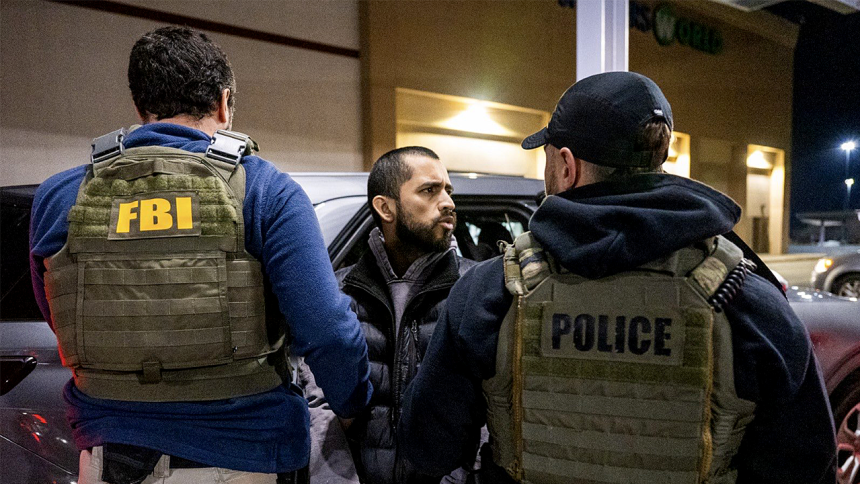
In a significant breakthrough, the FBI has apprehended a suspected member of the notorious MS-13 gang on charges of murdering a pastor in El Salvador. The arrest took place on Wednesday in Virginia, where the individual, identified as 34-year-old Carlos Alvarado, was wanted for his alleged involvement in the violent crime committed in 2018. Authorities coordinated the operation through international law enforcement agencies to bring Alvarado to justice, highlighting ongoing efforts to combat gang-related violence that extends across borders.
MS-13, or Mara Salvatrucha, is recognized for its brutal tactics and has been a focal point of various law enforcement initiatives in both the United States and Central America. The gang’s notoriety grew from its violent reputation, which often includes threats, extortion, and murder, particularly targeting community leaders and figures opposing their influence. In this case, Alvarado’s alleged crime has drawn serious attention from law enforcement, illustrating the pervasive reach of MS-13.
The pastor, whose identity has not been disclosed for security reasons, was known for his outspoken stance against gang activities in his community. His murder sent shockwaves through El Salvador, where gang violence has historically undermined public safety. Local authorities quickly identified Alvarado as a key suspect, leading to a warrant for his arrest. The case garnered international attention, prompting both the Salvadoran government and the FBI to join forces.
The FBI, through its Violent Crimes Task Force, actively investigates transnational gang activity and collaborates with international law enforcement agencies to disrupt their operations. This arrest marks a positive outcome in that shared effort, offering hope to communities plagued by violence. It also serves as a reminder of the FBI’s commitment to addressing the threat posed by MS-13 and similar organizations.

El Salvador has faced significant challenges concerning gang violence, with MS-13 being one of the primary contributors to the country’s high homicide rates. In recent years, the Salvadoran government has taken action against the gang through various approaches, including increased law enforcement presence and community programs aimed at preventing youth recruitment into gangs. However, the persistence of MS-13 demonstrates the complex nature of eradicating such entrenched criminal organizations.
The FBI’s arrest of Alvarado is tied to ongoing operations that emphasize the necessity of international cooperation in tackling such issues. The agency stated that it places high importance on working with partner nations to effectively address the threats posed by transnational criminal organizations. Such collaborative efforts not only assist in immediate cases like Alvarado’s but also help to dismantle larger networks operating across multiple countries.
In the aftermath of the arrest, the FBI is looking to continue cooperation with El Salvador, exploring avenues for further investigations into MS-13 activities. The agency has underscored that its commitment to combating gang violence extends beyond arrests, aiming to address the underlying issues contributing to gang proliferation, including socio-economic conditions and lack of opportunities.
Analysts believe that the arrest of individuals like Alvarado can have a dual impact. Not only does it bring justice for the victims and their communities, but it also sends a strong message to other gang members: law enforcement agencies are watching, and they will take action. This could potentially deter future crimes and encourage communities to speak out against the gangs that have long held power over them.
As Alvarado faces extradition to El Salvador to stand trial for his alleged crimes, his case will likely be closely monitored. There are questions about how the judicial system in El Salvador will handle such high-profile cases, especially concerning gang members. Will they receive the necessary protections, or will they continue to act with impunity?
The murder of the pastor not only shocked El Salvador but has also raised awareness about the broader implications of gang violence on social cohesion and community safety. Local leaders and advocates continue to seek support from law enforcement and community organizations to address the root causes of gang activity. They argue that while arrests are crucial, a comprehensive strategy is necessary to move toward long-term solutions.
As the investigation unfolds and more information is released about Alvarado’s connections within MS-13, the public anticipates responses from both the Salvadoran and U.S. governments. The alliance between these countries becomes vital as they address not just the symptoms of gang violence, but the systemic issues that allow these organizations to thrive.
In conclusion, the arrest of Carlos Alvarado by the FBI marks a pivotal moment in the fight against MS-13’s influence, reflecting a deeper commitment to global law enforcement cooperation. As families in El Salvador seek peace and justice, the case offers hope that no one is above the law and that transnational partnerships can lead to significant changes in the fight against organized crime. Authorities emphasize the importance of community support in reporting gang activities, continuing investigations, and fostering a safer environment for all citizens. The battle against groups like MS-13 will require multifaceted efforts involving law enforcement, community engagement, and legislative reforms aimed at creating sustainable peace.