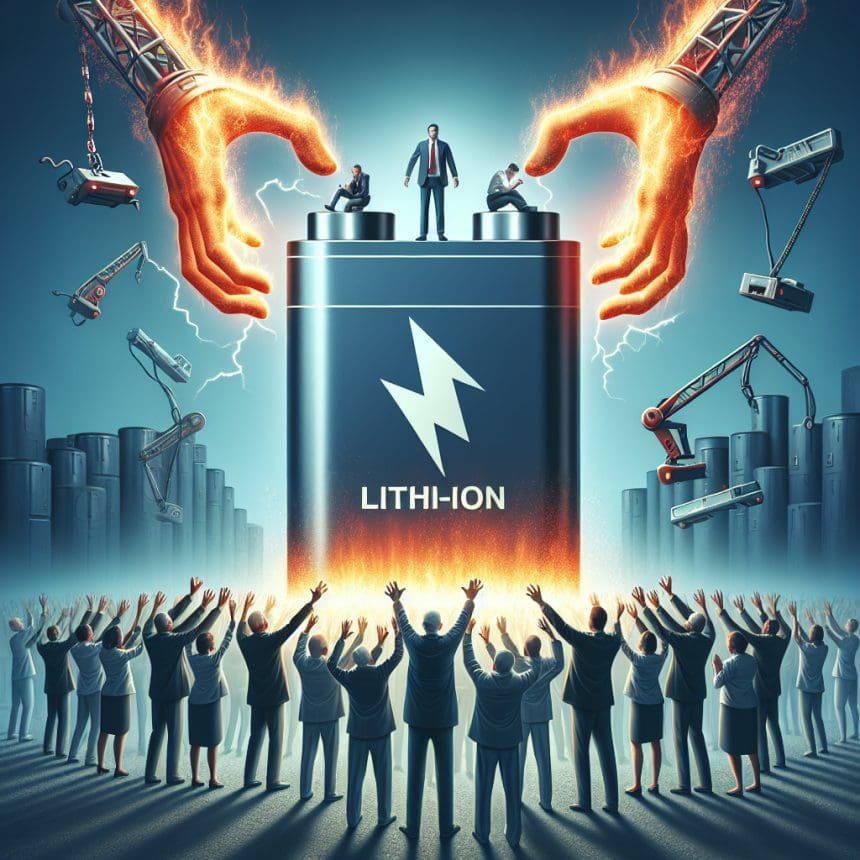
Headline: Caution Advised as Lithium-Ion Battery Use Surges
As the popularity of electric vehicles and portable electronics continues to rise, experts are advocating for increased caution regarding the use of lithium-ion batteries. Recent trends indicate a significant surge in demand for these energy storage systems, which are commonly used in everything from smartphones to electric cars. With advancements in technology and a projected 20% annual growth rate in the industry, concerns are mounting over safety issues associated with battery volatility. This article discusses expert insights into the risks involved, potential safety measures, and the future of lithium-ion technology.
The Volatile Nature of Lithium-Ion Batteries
Lithium-ion batteries have become integral to modern technology, providing power for an array of devices. Their high energy density makes them a preferred choice, but their volatility has raised alarms among safety experts. Every year, thousands of incidents related to battery failures—explosions, fires, and toxic gas emissions—are reported worldwide. In 2022 alone, the National Fire Protection Association reported a 30% increase in lithium-ion battery-related incidents compared to the previous year.
Experts emphasize that while the technology has improved, it still presents inherent risks. "It’s not just about how we use these batteries, but also how we manufacture and recycle them," says Dr. Linda Harrington, a leading battery safety researcher at Stanford University. As lithium-ion batteries become more ubiquitous, understanding and mitigating these risks is essential.
Rising Demand and Increased Risks
The surge in demand for lithium-ion batteries can be largely attributed to the growing electric vehicle market and renewable energy initiatives. According to a report by BloombergNEF, electric vehicle sales are expected to reach 10 million units by 2025, significantly driving the need for safe, reliable battery technology. While this shift is crucial for reducing greenhouse gas emissions and combating climate change, it also elevates the risks associated with accidents and fires.

Furthermore, the rapid pace of battery innovation often outstrips safety regulations. The International Energy Agency has reported that safety standards vary significantly by country, creating uneven levels of protection for consumers. This lack of uniform regulations can lead to discrepancies in quality and safety, putting users at risk.
Innovations in Battery Technology
Despite growing concerns, numerous companies and researchers are making strides in enhancing battery safety. Promising innovations include solid-state batteries, which replace liquid electrolytes with solid materials, potentially reducing the risk of fires. Companies like Toyota and QuantumScape are leading the charge in developing these safer, next-generation batteries.
Additionally, ongoing research into temperature-monitoring systems could offer real-time analytics on battery health, significantly reducing the chances of overheating or malfunction. "The aim is to not only improve energy storage but also create a safer experience for users," explains Dr. Mark Cummings, a battery innovation specialist at MIT.
Recommendations for Consumers
For consumers, understanding the risks associated with lithium-ion batteries is crucial. Experts recommend several practical measures to ensure safety:
- Purchase from Reputable Brands: Always buy batteries and devices from well-known manufacturers that adhere to safety regulations.
- Avoid Overcharging: Use chargers that are compatible with the device. Overcharging can lead to a dangerous buildup of heat.
- Regularly Inspect Devices: Look for signs of wear, such as swelling or discoloration, which may indicate a failing battery.
- Handle with Care: Keep devices away from extreme temperatures and avoid exposing them to liquids.
Understanding these factors can help mitigate risks associated with lithium-ion battery use at home and on the road.
The Role of Regulations and Education
Policymakers are beginning to take notice of the risks associated with lithium-ion batteries. A recent proposal from the U.S. Consumer Product Safety Commission aims to establish a clearer set of guidelines governing battery safety standards. If passed, these regulations would require manufacturers to conduct rigorous testing to ensure their products meet safety requirements.
Educational campaigns are also rising in prominence, aimed at informing consumers about potential dangers while encouraging safe practices. Community workshops and online resources are becoming increasingly available to help users better understand and manage lithium-ion battery risks.
The Future of Lithium-Ion Batteries
Looking ahead, the future of lithium-ion technology appears promising yet daunting. Energy storage solutions will likely remain pivotal in ongoing sustainability efforts, but the safety concerns cannot be ignored. Experts believe that continued investment in research and innovation—combined with stringent safety regulations—will be critical in making lithium-ion batteries safer for consumers.
"The focus must be on developing technologies that are not only efficient but also secure," Dr. Harrington states. "We have the tools and knowledge to create a safer battery landscape, but we must act now to prevent future tragedies."
Conclusion
As the use of lithium-ion batteries surges and continues to integrate deeply into our daily lives, the warnings from experts become increasingly urgent. While the benefits of these batteries are undeniable, understanding the associated risks—and taking the necessary precautions—will be vital in ensuring consumer safety. The evolution of battery technology holds promise, but it demands continuous oversight and proactive measures. Ensuring the safety of lithium-ion batteries will require collective action—halting the rising tide of battery-related incidents before they escalate into a larger crisis.