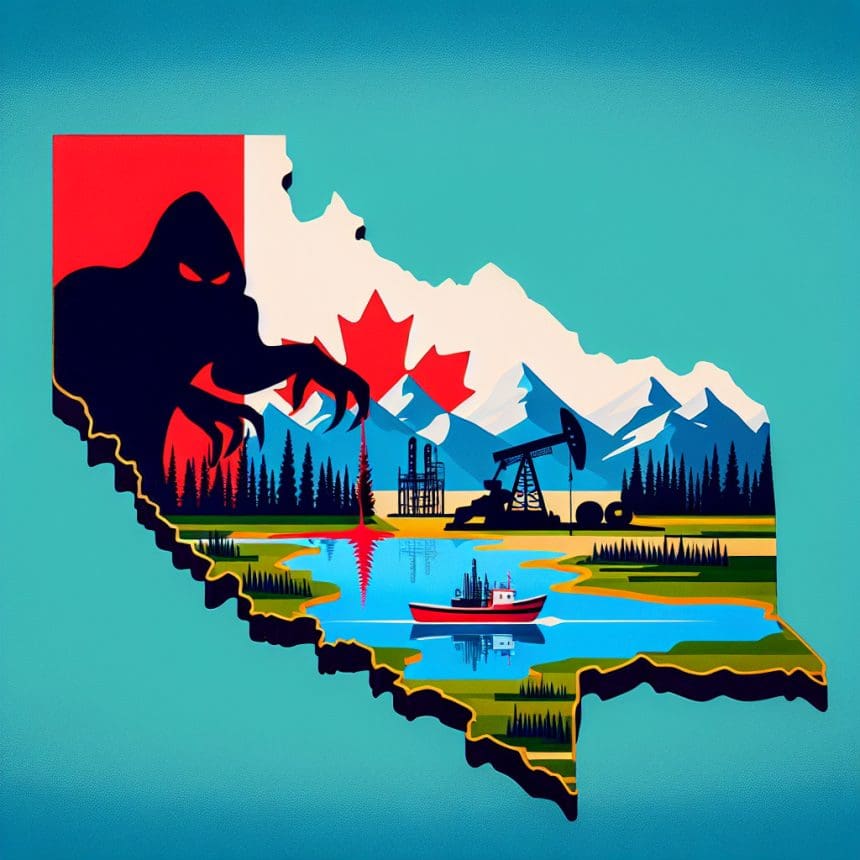
Headline: Alberta Faces High Risk of Foreign Interference, Experts Warn
In a recent report released this week, a panel of cybersecurity experts has flagged Alberta as being "excessively vulnerable" to foreign interference, raising alarms about the province’s susceptibility to external influences in politics and public opinion. The analysis stems from a growing concern about the impact of disinformation campaigns, cyberattacks, and foreign propaganda, particularly as the province gears up for upcoming elections. The findings emphasize the urgent need for enhanced digital defenses and public awareness campaigns to safeguard Alberta’s democratic processes.
As Albertans approach key elections in the coming months, the potential for foreign interference poses significant threats, according to the experts. The report highlights several factors contributing to this vulnerability, including insufficient cybersecurity measures, low public awareness regarding disinformation, and the growing popularity of social media as platforms for spreading misinformation. Experts argue that even minor meddling in Alberta could have ripple effects on national politics, given the province’s economic and political significance.
The Broader Landscape of Foreign Interference
The issue of foreign interference is not new but has intensified in recent years, particularly with the advent of social media and digital technologies. The report cites numerous examples from other regions where hostile entities have attempted to sway electoral outcomes through targeted campaigns and misinformation. Notably, the 2016 U.S. elections highlighted how foreign actors exploited social platforms to manipulate public sentiment. The implications for Alberta could mirror these troubling precedents if proactive measures are not taken swiftly.

Identification of Vulnerabilities
Expert analysis indicates that Alberta’s political landscape is increasingly susceptible due to a combination of outdated security infrastructure and a lack of comprehensive regulations governing digital information. Another significant finding reveals that many voters in Alberta remain unaware of how easily misinformation can spread and how it can influence their voting decisions. This disconnection further deepens the province’s vulnerability.
To address these findings, the experts suggest several actionable measures. First, they advocate for implementing robust cybersecurity protocols for political campaigns, including enhanced training for candidates and staff on recognizing and combating disinformation. Public institutions, including election offices, should also prioritize bolstering their online defenses to protect sensitive electoral data from cyber threats.
Enhancing Public Awareness
Perhaps equally crucial is the need for a public awareness campaign aimed at educating citizens about recognizing misinformation and protecting themselves online. Local government initiatives and educational institutions could play a vital role in disseminating this information effectively. This educational outreach could take various forms, such as workshops, online courses, and community events designed to foster informed citizen engagement.
Expert Recommendations
To fortify Alberta’s defenses against foreign interference, a multi-faceted approach is essential. Experts recommend that policymakers collaborate with digital platforms to more effectively identify and eliminate misinformation. They also emphasize the importance of transparent communication from government agencies during electoral periods, providing fact-checked information to counter false narratives.
Additionally, forming a provincial task force dedicated to monitoring both foreign threats and domestic misinformation campaigns could be instrumental. This task force would be responsible for developing strategies to mitigate risks and increase resilience against future challenges, fostering an environment of cyber preparedness.
The Importance of Legislative Response
Legislative bodies at both the provincial and federal levels must also take note of these expert findings. Enacting comprehensive laws regulating digital advertising and social media platforms could create a framework for accountability. These laws would help mitigate the influence of dark money in politics, ensuring that foreign actors cannot exploit loopholes to fund misinformation campaigns.
The Road Ahead
As Alberta continues to navigate a rapidly evolving digital landscape, the need for proactive measures has never been more apparent. The recent report serves as a crucial wake-up call for both officials and citizens alike. By prioritizing cybersecurity, enhancing public education, and fostering a collaborative environment among stakeholders, Alberta has the opportunity to set a precedent for safeguarding democracy against foreign threats.
Conclusion
In conclusion, the stark warnings from experts about Alberta’s vulnerabilities to foreign interference highlight a critical moment for the province. The convergence of inadequate cybersecurity measures, public unawareness, and the looming electoral process creates an urgent need for action. By engaging in comprehensive strategies that include legislation, education, and enhanced security protocols, Alberta can better protect its democratic values and serve as a model for resilience in the face of foreign challenges.
The time to act is now. As Alberta moves toward its upcoming elections, a collective commitment from all stakeholders—government, civil society, and citizens—will be essential to fortify the province against the insidious threats of foreign interference. Ensuring a stable, transparent, and fair electoral process is not just a priority; it’s a necessity for maintaining democratic integrity in an increasingly interconnected world.