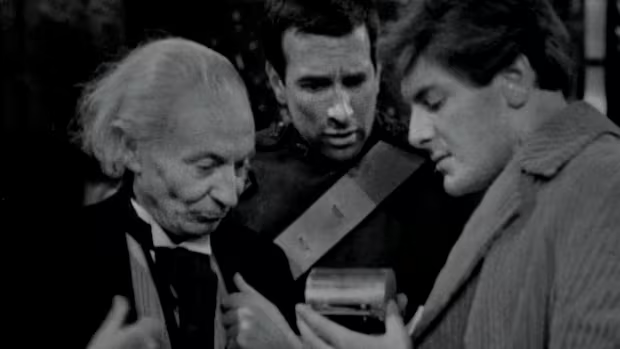
Headline: Lost "Doctor Who" Episodes Resurface After Decades
In a thrilling revelation for the Doctor Who fandom, two long-lost episodes of the iconic British sci-fi series have been rediscovered in a private collection, sparking excitement among enthusiasts and collectors alike. The episodes, which feature the Second Doctor portrayed by Patrick Troughton, were found in an undisclosed location in the UK and are believed to date back to the late 1960s. The discovery, made public on October 10, 2023, highlights the ongoing efforts to locate and restore missing pieces of TV history, offering fans a unique chance to step back in time and celebrate the legacy of one of television’s longest-running series.
The episodes were originally aired in 1968 and were among those deemed "missing" due to the BBC’s archival policies at the time. Back then, the corporation often wiped tapes to reuse them for further productions, leading to the loss of numerous episodes from early series. These two episodes, part of the classic "The Enemy of the World" story arc, are not only significant for their cultural value but also for what they represent in the ongoing quest to recover lost television history.
Fans of the series had long lamented the absence of these episodes, often referring to them as "the holy grail" of Doctor Who artifacts. The recent discovery has sent shockwaves through the community, reigniting interest in Troughton’s tenure as the Time Lord. For years, avid collectors and scholars have scoured archives and private collections globally, hoping to unearth similar treasures. This latest find adds to the growing momentum of recovering lost television episodes, providing a glimmer of hope for fans of other shows with significant missing content.

The excitement surrounding the discovery was further amplified by a live-streamed event hosted by the BBC. During the event, fans were treated to clips showcasing the episodes alongside commentary from historians and cast members, providing context and nostalgia for a series that has transcended generations. Official merchandise is already in development, ensuring that fans will have the opportunity to relive these classic episodes in various formats.
As part of the relaunch, the BBC plans to screen the newly recovered episodes on its streaming platform, BBC iPlayer, alongside an in-depth documentary exploring the journey of these episodes from discovery to restoration. The documentary will also feature interviews with current showrunners and actors, emphasizing the enduring impact of Troughton’s portrayal of the Doctor.
In the realm of fandom, this discovery has sparked discussions around the preservation of classic television and the importance of archiving cultural artifacts. Fans have taken to social media to express their joy, sharing personal stories of how Doctor Who has influenced their lives. The hashtag #LostEpisodes is trending on Twitter, uniting a community eager to celebrate this monumental find.
The excitement also extends beyond the current fanbase. Many new viewers, energized by the availability of classic Doctor Who episodes on streaming platforms, are keen to explore the series’ rich history. This discovery is expected to serve as a gateway for a new generation of fans who may not be familiar with the earlier incarnations of the Doctor.
Restoration experts have been working diligently to ensure that the episodes are presented in the best possible quality. The intricate process involves cleaning, digitizing, and editing the footage to create a polished final product that matches the original vision of the show’s creators. The BBC aims to preserve the integrity of the episodes while making them accessible to today’s audiences.
While this discovery marks a significant milestone, Doctor Who’s journey is far from over. With the upcoming 60th anniversary celebrations, fans are eagerly awaiting new stories and character arcs. The revival of the series over the past two decades has introduced a new generation to the Time Lord’s adventures, blending the nostalgia of the past with the innovation of modern storytelling.
The lost episodes are also expected to spur interest in previous showrunners and actors, particularly as fans explore the nuances of Troughton’s portrayal compared to contemporary interpretations of the Doctor. The BBC has hinted at potential spin-off documentaries that delve deeper into this era, shedding light on the creative decisions that shaped the show during its formative years.
As news of the discovery continues to spread, the significance of these episodes reaches far beyond mere entertainment. They represent a vital piece of British television culture and history. In an age where the rapid pace of technological advancements can sometimes overshadow our past, this rediscovery serves as a poignant reminder of the artistry and creativity that have defined Doctor Who for over six decades.
In summary, the return of these lost Doctor Who episodes not only excites fans and collectors but also offers insights into the rich history of television. This find illustrates the ongoing effort to preserve and celebrate our cultural heritage, highlighting the importance of archiving and restoring media artifacts for future generations. As the Doctor continues to traverse time and space, fans can now look back and appreciate the remarkable journey that has brought us to this moment.
With the promise of more surprises on the horizon, fans will undoubtedly keep their eyes peeled for future developments as the legacy of Doctor Who continues to evolve and inspire. Whether a lifelong enthusiast or a newcomer, everyone can now partake in the delightful journey through time and space, courtesy of these rediscovered gems from the Doctor’s expansive history.