Headline: Concerns Raised Over LaGuardia’s Midnight Air Traffic Staffing
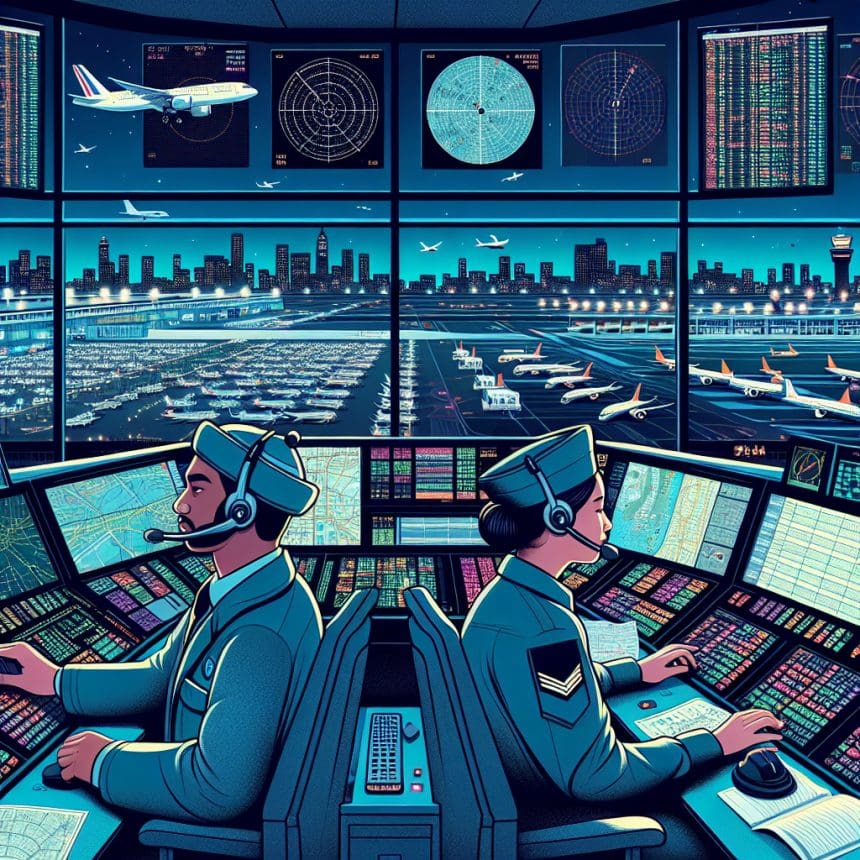
In a recent evaluation of air traffic operations at LaGuardia Airport, experts are questioning the adequacy of staffing during the midnight shift, where only two air traffic controllers were assigned to manage air traffic on a busy night in October. This staffing level raised alarms among aviation safety advocates who argue that the number of controllers on duty should reflect both the volume and complexity of air traffic during overnight hours. The discussion comes amidst ongoing concerns about aviation safety and the overarching need for efficient operations in one of the nation’s busiest airports.
LaGuardia, known for its high traffic volume and complex airspace, has faced scrutiny in recent months over its operational practices. Experts suggest that with increasing flight schedules and diverse aircraft types operating during the midnight hours, the adequacy of staffing plays a crucial role in maintaining safety and efficiency. Two air traffic controllers were reportedly responsible for coordinating a series of arrivals and departures, which experts argue may have created an unsafe working environment.
Staffing Levels and Safety Concerns
The midnight shift at LaGuardia generally sees fewer flights compared to peak daytime hours, often leading to a misconception that fewer controllers would suffice. However, aviation experts emphasize that the dynamics of nighttime operations can present unique challenges, including decreased visibility and pilot fatigue. Advocates for improved staffing argue that just two controllers may not be enough to sustain operational safety across multiple runways and taxiways.

"It’s not only about the number of flights but also how diversified those flights are during the night," said Dr. Angela Reyes, an aviation safety analyst. "With private jets, cargo planes, and occasional emergencies, having just two controllers puts a significant burden on staff and increases the risk of oversight."
Historical Context
Historically, air traffic control staffing at major airports has fluctuated depending on demand and operational efficiency. After the Federal Aviation Administration (FAA) implemented staffing cuts in previous years, many airports adjusted their operational strategies, but the repercussions of these decisions are becoming increasingly visible. The FAA’s guidelines recommend a varying number of controllers based on workload analysis, a criterion that some critics claim LaGuardia is failing to meet.
Recent incidents at LaGuardia also add weight to the argument for increased staffing levels. In the past year, there have been near-miss incidents and reports of increased controller workload, pushing the need for change to the forefront. “It’s essential for safety that we revisit how we allocate resources, especially during the less conventional hours,” noted Jake Morales, a former air traffic controller and safety consultant.
Stakeholder Reactions
The FAA has yet to release a statement directly addressing the concerns raised by experts regarding the two-controller staffing model during midnight shifts. Airlines have begun voicing their apprehensions as well. A representative from a major airline operating out of LaGuardia discussed the potential ramifications of understaffing during critical hours.
“As airlines, our priority is to provide a safe and efficient travel experience for our passengers. We trust that the FAA will consider these concerns seriously,” the representative stated on the condition of anonymity.
Current Practices and Recommendations
In light of these concerns, several aviation safety organizations have begun advocating for operational changes. Recommendations include increasing the number of controllers during midnight shifts and investing in technology that could help manage airspace more efficiently. Enhanced training programs for controllers, tailored specifically for nighttime operations, have also been suggested.
Advocates stress that technology alone cannot substitute for human oversight and judgment. "Automation is an invaluable tool, but it should complement rather than replace—the critical roles played by air traffic controllers," added Dr. Reyes.
The Path Forward
As discussions surrounding air traffic controller staffing at LaGuardia continue, experts are urging immediate action. A multi-stakeholder approach—including input from controllers, airlines, and safety organizations—could pave the way for developing a robust plan that safeguards air traffic operations.
Several upcoming FAA meetings are expected to address these issues more comprehensively, providing a platform for stakeholders to discuss necessary reforms publicly. The aviation community awaits the FAA’s next moves with apprehension, as any delays in addressing safety concerns could undermine public trust in aviation regulation.
Conclusion
The debate over the adequacy of air traffic controller staffing at LaGuardia’s midnight shift underscores a crucial aspect of aviation safety. While LaGuardia may experience less air traffic during the night hours, the challenges presented during those shifts warrant careful consideration and necessitate a thorough review of staffing protocols. As the aviation industry navigates the complexities of modern air traffic management, ensuring that the right number of personnel is available at all times remains a top priority.
Moving forward, industry stakeholders are hopeful that concrete actions will be implemented to enhance safety at one of the nation’s most heavily trafficked airports. The coming weeks will be critical in determining how LaGuardia responds to these challenges, with the safety of thousands of nightly travelers hanging in the balance.