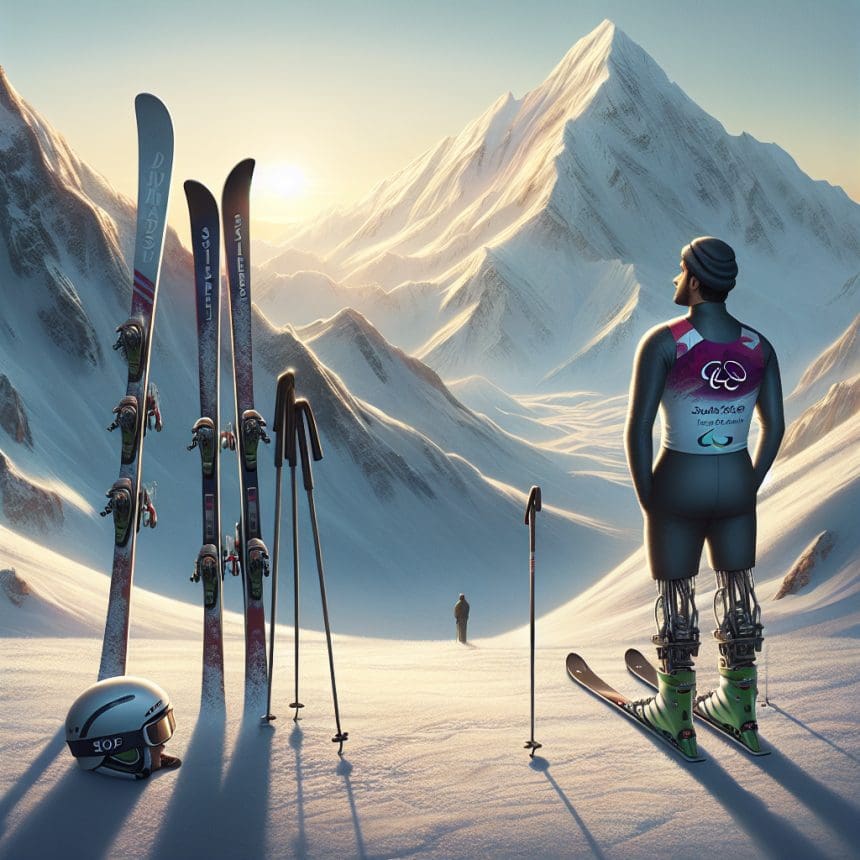
Headline: Skier’s Paralympic Dreams Shattered by War in Iran
In a poignant turn of events, Iranian para-alpine skier Mohsen Zare, who has spent years diligently training for the Winter Paralympics, has expressed deep disappointment after being unable to participate in the upcoming games in Beijing. As tensions escalate in Iran, the devastating impact of war has disrupted Zare’s plans, highlighting the broader implications of conflict on sports and the aspirations of athletes worldwide.
Zare, 28, once seen as a potential medal contender, has trained relentlessly in the slopes of Dizin and Tochal, two popular ski resorts just outside of Tehran. As a paraplegic athlete, he has overcome immense physical hurdles, working tirelessly to refine his skills in a sport that not only requires physical strength but also mental resilience. However, the ongoing turmoil in his home country has cast a shadow over his dreams of Olympic glory.
The Winter Paralympics, scheduled to commence on March 4, 2022, in Beijing, was a stage Zare had eagerly awaited. His journey began in late 2018 when he took up para-alpine skiing after an accident that left him paraplegic. His dedication and passion for the sport quickly gained him recognition within the national skiing community, making him one of the few Iranian athletes poised to compete at this prestigious event. Today, he stands heartbroken, unable to fulfill his dream due to circumstances beyond his control.

The war’s consequences have extended far beyond the physical battlefield, affecting not just athletes but the sports community itself. The Iranian government has acknowledged the concerns and challenges faced by Zare and other athletes who have similarly been impacted by ongoing conflict. Officials have framed the situation as a tragic intersection of sport and political strife, with Zare’s story emerging as a harrowing case in point.
Zare’s plight serves as a stark reminder of the challenges faced by athletes in war-torn regions where training facilities are compromised, sponsorships are minimal, and the socio-political environment offers little support. The emotional toll on these athletes can be immense; while they strive for success, they grapple with feelings of betrayal by a system that has historically struggled to provide them the resources they need. In Zare’s case, his disappointment has resonated deeply within the Iranian sports community. Many have expressed solidarity, sharing messages of support across social media platforms.
The Paralympics aims to promote inclusivity and demonstrate that disability does not define a person’s potential. Unfortunately, for athletes like Zare, encompassing ideals collide with harsh realities. News of his absence from the Winter Games has prompted broader discussions about how war and violence disrupt the fabric of sporting events and the spirits of those who aspire to excel. Sports diplomacy, an idea that promotes peace and solidarity through athletic competition, now stands challenged.
The impact of conflict on athletes extends beyond mere participation; it often results in the loss of sponsorship and funding, making international competition virtually impossible. Followers of Zare’s journey have voiced their outrage and disappointment, not only for the athlete who devoted his life to his sport but also for the message it sends about the idea of competing globally despite adversity.
International sports bodies also recognize the critical impact that social and political strife can have on athletes from regions like Iran. Organizations such as the International Paralympic Committee (IPC) have been vocal in condemning any action that hinders an athlete’s ability to compete on the world stage. Nevertheless, these organizations often battle systemic issues that can impede athletes’ paths, especially in countries affected by unrest.
As Zare reflected on his journey, he expressed hope that this moment might serve as a catalyst for change within Iran, urging the government to support its athletes more robustly. He pointed out the potential of sport to unite people and promote peace, underscoring the importance of prioritizing sports as a means of healing and expression, particularly in times of conflict.
Athletes like Zare are not merely competitors; they are role models who inspire others to overcome adversity. His story underscores the importance of creating a supportive environment for young athletes and the necessity of investing in sports infrastructure, development programs, and mental health resources.
In the coming months, as the Winter Paralympics unfold, Zare hopes that his absence will not be forgotten. He aspires for global recognition of the barriers faced by athletes from conflict-affected countries, urging governing bodies to consider policies that provide refugee athletes with opportunities, regardless of their backgrounds. His determination to advocate for these changes emanates from a place of personal loss, but it’s also fueled by a vision of a future where athletes from all walks of life can find a platform to share their talents.
As the world watches the Winter Paralympics, let us not forget the inspiring stories of those who overcome incredible odds to compete. While Zare may remain on the sidelines this year, his journey embodies the spirit of resilience and the unyielding human drive to excel, despite the overwhelming challenges posed by war and strife. His message serves as a poignant reminder that every athlete deserves a chance to chase their dreams, unimpeded by the turmoil of conflict.
As the international community rallies to support Zare and others like him, it reinforces the critical need for empathy and understanding in the global sporting landscape. With hope, the compelling story of this disappointed skier will not only bring attention to his plight but will also inspire initiatives aimed at ensuring that no athlete loses their chance for greatness due to circumstances beyond their control.