Headline: NATO Operations in Iraq Shift as Canadian Troops Withdraw
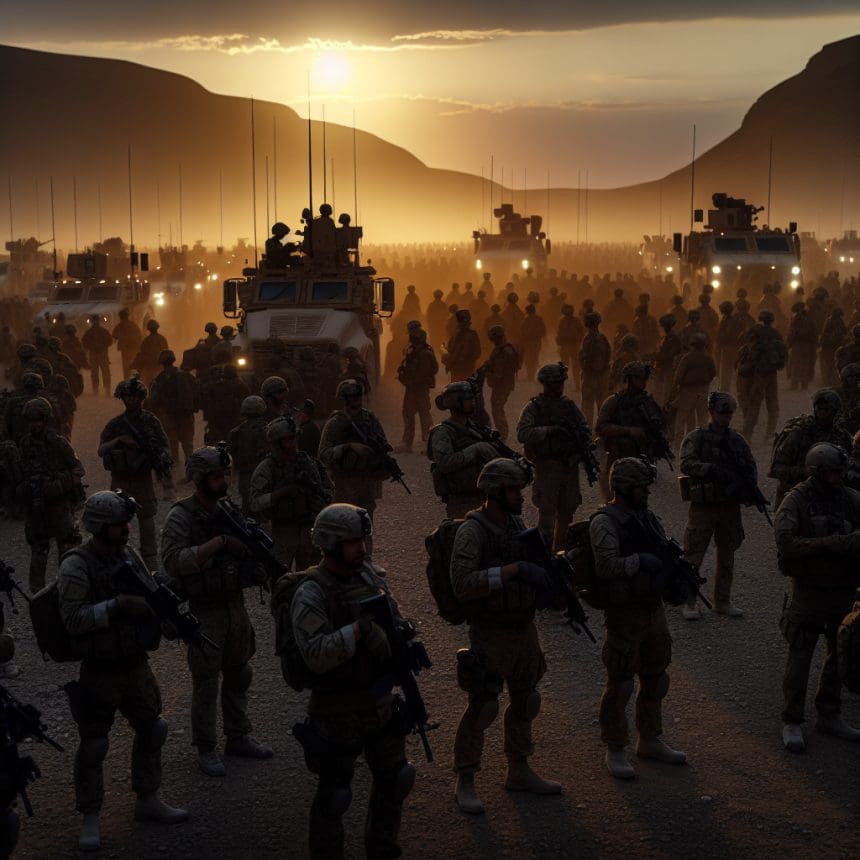
In a significant realignment of military resources, Canadian Armed Forces members, alongside other NATO troops, have been pulled out of Iraq, marking a new phase in international military involvement in the region. This decision, announced on Monday, reflects the changing dynamics of the mission originally aimed at training local security forces to combat terrorism, particularly amid evolving geopolitical circumstances. The withdrawal highlights an operational transition that stems from ongoing assessments of the security situation on the ground and the current needs of the Iraqi military.
The reconfiguration of NATO operations in Iraq has been in response to improved stability in certain regions of the country and a subsequent report indicating that local security forces are gradually gaining the capability to independently manage threats. While the presence of foreign troops has played a crucial role in stabilizing Iraq after years of conflict, there has been increasing emphasis on empowering local forces to assume full responsibility for their national security.
The Canadian Armed Forces have been involved in the NATO training mission since 2015, sending troops to assist in building knowledge and capabilities within the Iraqi military and police. During this time, these forces helped navigate complex challenges, including counterinsurgency operations against the remnants of ISIS, which once controlled significant territory in Iraq. With the recent withdrawal, Canadian authorities and military leaders aim to focus on future strategies that support Iraq’s sovereignty while recognizing the importance of sustaining a relationship with the Iraqi government.

Military analysts have noted that the withdrawal of Canadian and NATO troops may herald a careful recalibration of international presence in Iraq. It indicates a strategic shift to ensure that Iraqi security forces can uphold stability without reliance on foreign troops. However, concerns about the resurgence of extremist groups could pose a challenge as Iraq navigates this transition.
Officials stated that both the Canadian and broader NATO presence had reduced due to success in destroying ISIS strongholds; however, continued monitoring will remain critical. Canada’s defense minister emphasized the importance of training missions and collaboration, suggesting that while ground troops may depart, ongoing partnerships in areas of intelligence sharing and strategic support are indispensable for fostering long-term security.
This shift is also emblematic of a larger trend among NATO allies who are re-evaluating their military commitments in the Middle East. As geopolitical interests evolve, NATO countries are assessing their involvement in regional conflicts, balancing national priorities against international obligations. Several NATO nations have started to streamline their military commitments, focusing on resilience building rather than traditional combat roles, recognizing the need for a more tailored approach to international engagements.
Moreover, the ongoing tactical assessments will aim to guide future decisions about the engagement of Canadian troops, with a focus on enhancing humanitarian efforts and developing diplomatic relations in the region. Canadian military strategy is now considering potential deployments that emphasize training and advisory roles rather than active combat missions, a shift that reflects contemporary military best practices.
While the withdrawal of troops signifies a watershed moment for NATO’s operations, it also raises fundamental questions about the future security landscape in Iraq. The rise and fall of terrorism in the region have shown that even successful operations can be upended by sudden shifts in both local governance and the broader geopolitical landscape. Canadian officials are closely monitoring developments, including the potential for increased violence as various factions vie for power in a post-ISIS landscape.
Furthermore, Canada’s decision is not occurring in a vacuum. Tensions involving regional powers, which have historically played a role in Iraq’s instability, continue to pose risks. Iranian influence in Iraq, for instance, remains a significant factor to be dealt with, as it could complicate the ability of Iraqi forces to operate independently and securely. Canadian defense policy will need to remain adaptable to these shifting dynamics while actively contributing to a strategic dialogue about the way forward.
As Canadian troops withdraw, the national conversation has increasingly turned towards the implications for service members and their families. The emotional toll of military deployments and subsequent returns is often profound. Officials from the Department of National Defence are cognizant of the need to provide support for those transitioning back into civilian life, ensuring that they have access to necessary resources and mental health services.
In conclusion, the withdrawal of Canadian Armed Forces and NATO troops from Iraq marks a critical juncture in international military strategy in the Middle East. While it signifies a positive recognition of Iraqi forces’ capabilities, it also brings to light the challenges that lie ahead in ensuring sustained peace and stability. Going forward, the emphasis will likely shift towards intelligence collaboration, training, and support for humanitarian endeavors as NATO and Canada navigate this complex landscape. The developments in Iraq will not only shape the region’s future but will also inform how international coalitions engage in defense agreements and military assistance worldwide.