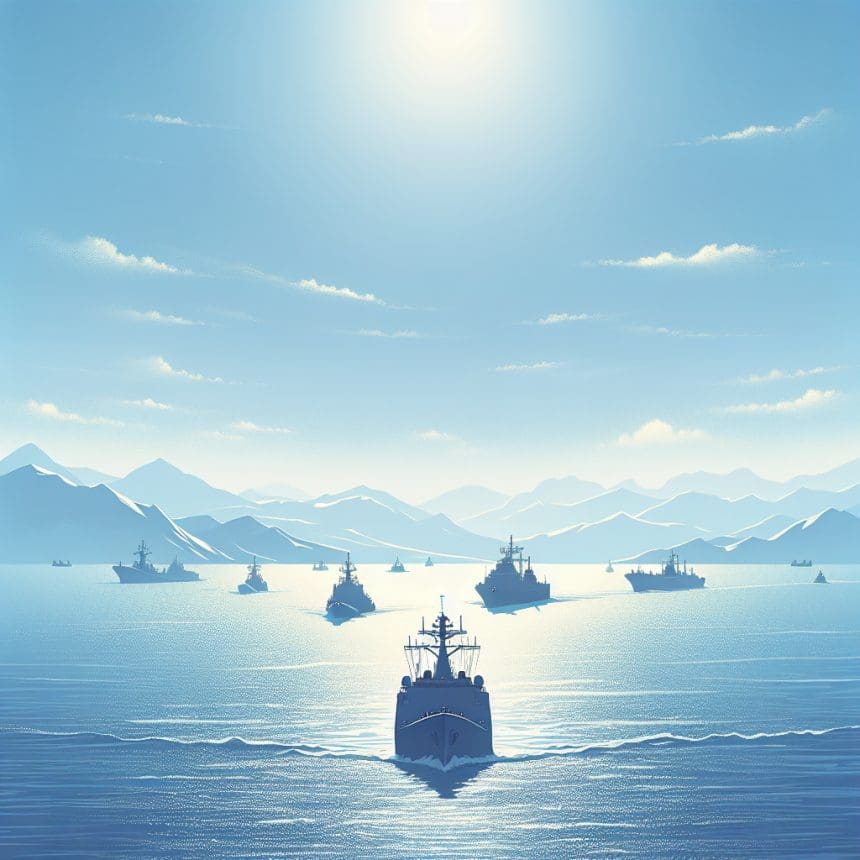
Headline: Canada and Allies Commit to Protecting Strait of Hormuz
Article:
In a significant diplomatic statement issued on October 15, 2023, Canadian officials confirmed that Canada, alongside its allies, stands prepared to bolster security in the strategically vital Strait of Hormuz. This announcement comes amid rising tensions in the region, with concerns over maritime safety and international trade routes becoming increasingly pronounced. The commitment reflects a collective determination to protect vital shipping lanes that facilitate approximately 20 percent of the world’s oil supply and underscored the necessity of safeguarding global trade and diplomatic relations.
The Strait of Hormuz connects the Persian Gulf with the Gulf of Oman and serves as a crucial artery for oil transportation, making it a focal point of geopolitical concern. Recent incidents, including threats to commercial vessels and military posturing by regional actors, have heightened calls for increased maritime security. Canada’s proactive stance, in conjunction with like-minded nations, marks a pivotal moment in international efforts to stabilize the region.

While the announcement has been well-received, details regarding the specific measures Canada and its allies plan to implement remain sparse. Canadian Defense Minister Anita Anand emphasized the importance of "collaboration and vigilance" but refrained from elaborating on concrete strategies or timelines. This ambiguity has led to questions regarding the effectiveness of such commitments and the potential for immediate impacts on the region’s stability.
Experts believe that Canada’s involvement could have broader implications for international relations and military cooperation, particularly with allies like the United States and European nations. "Canada’s participation indicates a shifting dynamic in global military strategies," said Robert McKinney, a senior geopolitical analyst. “It showcases shared concerns over emerging threats and demonstrates a united front among Western nations.”
Historical Context
The Strait of Hormuz has long been a flashpoint for international tensions, particularly due to its critical role in global oil logistics. The region has witnessed numerous confrontations over the years, ranging from military engagement to aggressive posturing from regional players. The sustained threat of disruption has prompted nations reliant on oil imports to reconsider their security arrangements.
In response to the heightened risks, several nations have previously undertaken naval missions to patrol the waters. The U.S. has led several operations, working in tandem with European and Middle Eastern allies, to ensure maritime security. Recent escalations have prompted discussions in various international forums, including the United Nations and NATO, about the necessity for a cohesive approach to securing this vital waterway.
The Canadian Perspective
Canada’s commitment comes from a broader recognition of its role on the world stage, aiming to balance its military responsibilities while not overextending its capabilities. The Canadian government has a vested interest in maintaining stable global trade routes, given the country’s economic reliance on exports, including energy resources.
Though specific plans have yet to be detailed, there are indications that Canada may enhance its naval presence or partake in joint exercises with allied forces. This could encompass surveillance missions, intelligence-sharing agreements, and potential humanitarian assistance programs designed to address regional instability.
Qualified voices within the government have noted that any military action must be carefully calibrated to avoid exacerbating tensions. Prime Minister Justin Trudeau’s administration faces the challenge of aligning its foreign policy with public sentiment, where there is a mix of support for international peacekeeping and caution against entangling the country in external conflicts.
Potential Challenges Ahead
Implementing maritime security measures in the Strait of Hormuz will inevitably encounter numerous challenges. The region is characterized by a complex interplay of different national interests, historical grievances, and ongoing territorial disputes, particularly involving Iran. The potential for miscommunication or miscalculation among military forces remains a pressing concern, potentially igniting a wider conflict.
Moreover, Canada’s deployment could be met with criticism from various quarters. Advocacy groups and opposition parties may question the wisdom of sending Canadian forces into a high-risk area, just as the public remains wary of prolonged military engagements abroad. Ensuring rigorous parliamentary oversight and maintaining transparency with the Canadian public will be vital for the administration as it navigates these waters.
The Broader Implications
Canada’s announcement not only underscores the need for maritime security but also reflects a broader commitment to collective defense among allied nations. The United States has historically played a leadership role in such initiatives, requiring its partners to contribute to multinational efforts. Actions taken now, especially concerning the Strait of Hormuz, could set precedents for future international military collaborations.
Moreover, the situation presents an opportunity for Canada to leverage its diplomatic relations, potentially leading to greater influence within international forums. Engaging regional stakeholders, including Gulf Cooperation Council nations, could pave the way for cooperative security arrangements that address the root causes of instability.
Conclusion
As the world watches the developments in the Strait of Hormuz, the commitment made by Canada and its allies signals a collective resolve to confront emerging threats and uphold international maritime norms. While specific action plans remain undisclosed, the commitment to safeguarding this vital trade corridor has far-reaching implications for global energy markets, international diplomatic relations, and security policies.
In the face of uncertainty and potential conflict, a unified approach to security and defense may prove essential in ensuring stability in one of the world’s most critical maritime zones. As Canada navigates these challenges, it will be imperative to balance responsiveness with restraint, ensuring that its role in the Strait of Hormuz contributes to lasting peace and security.