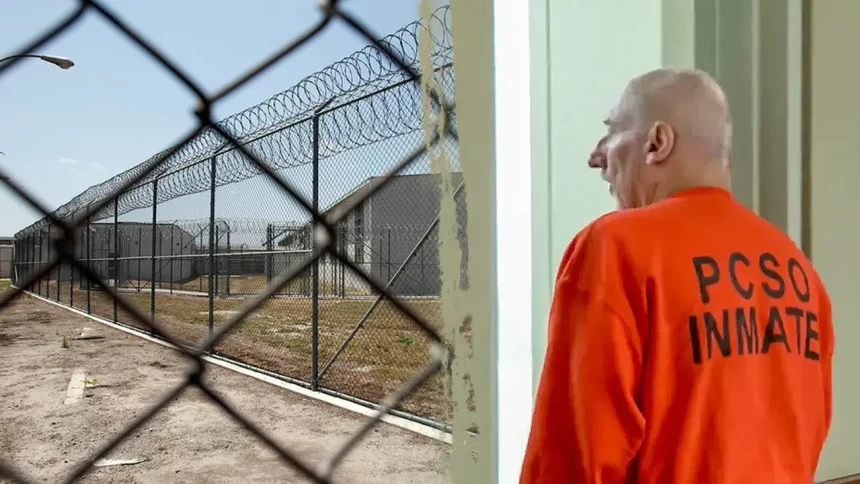
Headline: California’s Elderly Parole Policy Crisis After Predator’s Close Call
In a controversial incident that has sparked outrage across California, authorities narrowly prevented the release of a violent child predator due to the state’s elderly parole program. The event unfolded last week in Los Angeles, raising urgent questions about the safety implications of the policy, which allows the early release of inmates over the age of 60. As discussions intensify, experts and community members are calling for immediate reforms to ensure public safety is prioritized.
The elderly parole program, established to assist older inmates who are seen as less of a threat, has faced increasing scrutiny in recent years. Critics argue that the policy must be revisited, especially in light of cases like this one, where dangerous criminals are considered for release based solely on age rather than the severity of their crimes. The case in question involves a 65-year-old man convicted of multiple counts of child molestation, who almost gained freedom after a parole hearing.
A Closer Look at the Incident
On Wednesday, the California Board of Parole Hearings convened to assess the eligibility of the inmate for parole. During the hearing, the panel was presented with a series of testimonies from victims and community advocates, highlighting the long-term impact of the perpetrator’s actions. Just hours before the decision was made, public outrage reached a boiling point, as activists took to social media and organized protests to voice their concerns.

As the hearing progressed, board members deliberated intensely, weighing the inmate’s age against the violent nature of his past offenses. Ultimately, they voted to deny parole, citing the need to protect vulnerable community members, particularly children. Speaking to reporters, a member of the board stated, "While we are tasked with evaluating the potential for rehabilitation, the severity of this individual’s crimes cannot be overlooked."
Policy Implications and Community Reaction
The close call has reignited a heated debate around California’s elderly parole policy. Advocates for crime victims and numerous community leaders have argued that the program, while beneficial for some low-risk inmates, is fundamentally flawed when applied to violent criminals. "This incident is a wake-up call," said Laura Jennings, a local advocate for child safety. "We cannot afford to let age dictate the risks we take with public safety."
Legal experts highlight that the current parole guidelines do not adequately consider the psychological and societal ramifications of releasing inmates who have committed heinous crimes, regardless of their age. "Children and vulnerable populations should never be put at risk due to policy oversights," explained Dr. Aaron Chen, a criminologist at the University of California, Los Angeles. "The law must balance compassion for the elderly with the safety of our communities."
In addition to community concerns, some families of victims are calling for legislative changes to ensure that potential parolees with violent histories undergo more rigorous scrutiny. "We need more than just a hearing; we need a complete reevaluation of the process to protect our children and families," one mother said during a rally organized outside the parole board’s office.
Legislative Response and Future Considerations
In the wake of this incident, some California lawmakers are increasingly considering revisiting the existing elderly parole laws. Senator Maria Lopez, chair of the Public Safety Committee, has announced plans to hold a hearing aimed at discussing modifications to the parole system. "It’s essential that we reexamine how our policies impact real lives—especially the most vulnerable among us," she stated in a press conference shortly after the incident.
One possible direction for reform could include stricter criteria for parole eligibility, especially for those who have been convicted of violent crimes against children. Advocates are also pushing for a more comprehensive review of the inmate’s mental health and rehabilitation progress before any decisions are made regarding parole.
Conclusion: The Need for Change
The near-release of a violent child predator has underscored critical flaws in California’s existing elderly parole program. While the intentions behind the policy may be commendable, the implications for community safety cannot be ignored. Striking a balance between compassion for aging inmates and accountability for their past actions remains a formidable challenge.
In the coming weeks, as lawmakers and advocates continue to navigate this troubling landscape, communities and families will be watching closely. The hope is that meaningful reforms will come to protect the most vulnerable members of society, ensuring that tragedies like this one do not happen again.
California’s elderly parole policy is at a crossroads, and the discussion surrounding it is more vital than ever. As public sentiment pushes for change, the question remains: How can we forge a system that prioritizes both rehabilitation for inmates and the safety of our children? Only time will tell if the state will rise to the occasion or maintain the status quo.