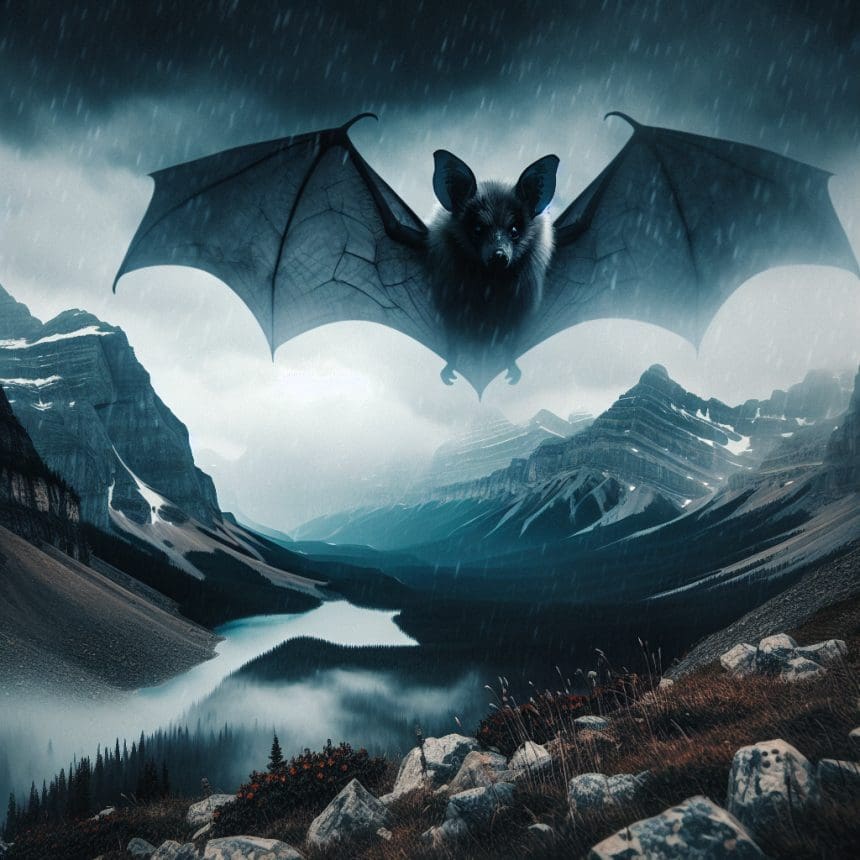
First Report of Deadly Bat Disease in Alberta’s Rockies
In a concerning development, wildlife officials have confirmed the first-ever detection of the deadly White-nose Syndrome (WNS) in bats within Alberta’s Rocky Mountains. Discovered earlier this month, the illness poses significant threats to local bat populations, primarily affecting species already under pressure from habitat loss and climate change. This alarming news raises concerns for biodiversity and the ecosystem in this vital region.
Understanding White-nose Syndrome
White-nose Syndrome is a fungal disease caused by Pseudogymnoascus destructans, which infects hibernating bats during their winter slumber. The fungus manifests as a white growth on the bats’ nose and wings, leading to a range of health issues, including dehydration, disturbed hibernation patterns, and ultimately, death. First identified in North America in 2006, the disease has rapidly spread across the continent, decimating bat populations, particularly in the Eastern United States.
Impact on Local Ecosystem
Bats play a crucial role in ecosystems, serving as natural pest controllers by consuming vast quantities of insects. They are also vital for pollination and seed dispersal in various habitats. With the emerging threat of WNS, experts warn that the loss of bat populations could trigger a cascade effect, impacting agriculture and natural environments alike. "The decline of bat populations can lead to an increase in insect populations and a potential rise in diseases carried by those pests," cautioned Dr. Emily Clarke, a wildlife biologist specializing in bat conservation.

Background of the Detection
The recent discovery was made by biologists conducting routine monitoring of bat populations in Jasper National Park. The presence of the white-nose fungus was confirmed through laboratory tests on samples collected from affected hibernacula. “Finding WNS in such a pristine area highlights the need for increased surveillance and intervention measures,” said Park Superintendent Mark Adams. The timing and location of the discovery underscore the urgent need to address the complexities surrounding bat health and conservation.
Significance for Alberta
Alberta’s Rocky Mountains serve as critical habitat for various bat species, including the Little Brown Myotis and the Northern Myotis, both of which are already listed as endangered. The introduction of WNS to this region could further endanger these species. The Alberta government and conservation organizations are now collaborating on a response plan to monitor the situation closely and mitigate the disease’s spread.
“This is a pivotal moment for bat conservation in Canada,” noted conservationist Sarah Mitchell. “We have the opportunity to take proactive steps to protect our bats before the situation escalates.”
Public Awareness and Action
Officials are urging the public to help in the monitoring efforts by reporting any unusual bat behavior or sightings. They also recommend that outdoor enthusiasts stay informed and take precautions when exploring caves and other natural areas, as spores of the fungus can be inadvertently spread on clothing and gear.
Community workshops focusing on bat education are being planned to raise awareness about the ecological importance of bats and the dangers they face. "Education is key in protecting these incredible creatures," said Mitchell. "People need to understand how vital bats are to our food systems and the health of our environment."
Looking to the Future
As scientists and conservationists mobilize to address this critical issue, there is hope for the future of Alberta’s bats. New research into treatments and preventive measures is underway, and ongoing studies aim to monitor the resilience of bat populations. "The scientific community is actively searching for solutions that could help manage the effects of WNS and support the recovery of affected bat populations," explained Dr. Jennifer North, a leading researcher in bat health.
Conclusion
The first detection of White-nose Syndrome in Alberta’s Rocky Mountains serves as a wake-up call for conservationists, wildlife officials, and the public alike. As the health of bat populations hangs in the balance, immediate action is required to safeguard these essential creatures and ensure the ecological integrity of the region. With an informed and engaged community, there is hope for a positive outcome in the ongoing battle against this devastating disease.
The challenge posed by White-nose Syndrome is significant, but with vigilance, research, and community support, Alberta can take vital steps toward protecting its bat populations and the invaluable roles they play in the ecosystem.