Canada Hits Pause on Robotaxis as China Accelerates Development
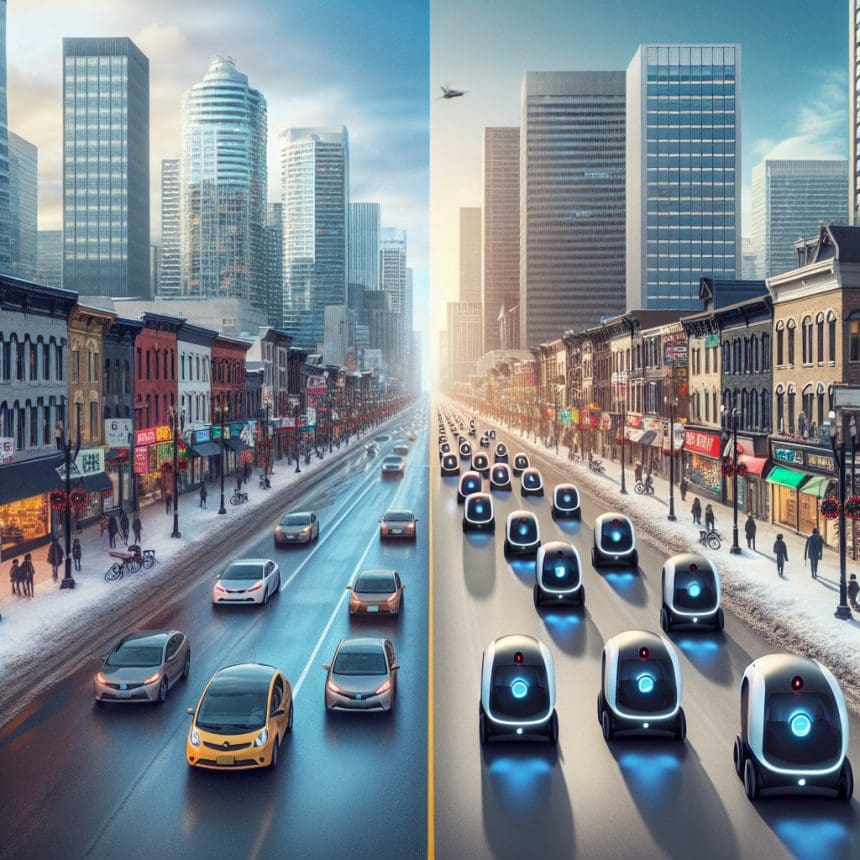
As Canada reassesses its approach to autonomous taxi services, China is rapidly advancing its own robotaxi initiatives. This shift became evident in early October 2023 during an international conference on autonomous vehicles in Shanghai, where several Chinese companies unveiled groundbreaking robotaxi technologies. With stringent regulations and safety concerns hampering Canada’s progress, the contrasting pace of development highlights a growing divide in autonomous transportation between the two countries.
Canada’s Regulatory Caution
In recent months, Canadian authorities have raised concerns about the safety and efficacy of autonomous vehicle technology. The nation’s regulatory body, Transport Canada, announced a temporary halt on new robotaxi permits as it evaluates existing frameworks and safety protocols. This decision was largely influenced by rising accidents involving autonomous vehicles and public apprehension surrounding their integration into everyday life.
"The public’s safety is our top priority," commented Transport Minister Omar Alghabra. "Before we can fully commit to robotaxi operations, we need to ensure that the technology meets our high standards for safety and reliability."

While the government is taking a cautious approach, several cities across Canada had begun testing robotaxi services, including Toronto and Vancouver, aimed at shaping a future where autonomous vehicle adoption could significantly reduce traffic and emissions. However, these trials will now be placed on hold until further assessments are completed.
China’s Rapid Advances
In stark contrast, China is making remarkable strides in the realm of robotaxis. During the recent conference in Shanghai, leading tech companies, such as Baidu and Didi Chuxing, showcased their latest advancements in self-driving technology. Baidu’s Apollo system is already operational in multiple cities, offering fully autonomous rides without human drivers.
"We believe that robotaxis will revolutionize transportation in urban areas. Our goal is to have a fleet of entirely autonomous vehicles on the roads by 2025," announced Baidu CEO Robin Li. This ambitious timeline has the potential to reshape not just transportation but the entire landscape of urban mobility in China.
China’s rapid roll-out is facilitated not only by its vast technological prowess but also by a supportive regulatory environment. The government has actively encouraged innovation in autonomous vehicles through funding and favorable laws that promote testing and deployment.
The Global Race for Autonomous Vehicles
The contrast between Canada and China is emblematic of a broader global race towards autonomous technologies. Countries like the United States, Germany, and Japan are also investing heavily in robotaxi developments but are facing their own sets of regulatory challenges.
In the U.S., companies like Waymo and Cruise are actively testing their services, but regulatory hurdles and public sentiment regarding safety continue to shape the pace of progress. Germany is similarly engaged in discussions balancing innovation with regulation, leading to delays in wider adoption of self-driving taxis.
"This is not just a technological race; it’s a geopolitical one," states Dr. Emma Tan, a researcher at the Center for Autonomous Transportation. "Countries that can master this technology and adapt their policies accordingly will lead the future of mobility."
Public Sentiment and Adoption Rates
Public sentiment towards autonomous vehicles remains mixed globally. Surveys indicate that while many consumers are excited about the prospects of robotaxis, concerns about safety, cybersecurity, and job losses in the driving sector present significant roadblocks.
In Canada, a recent survey revealed that only 30% of the population support the introduction of robotaxis, primarily due to safety concerns stemming from recent incidents. Conversely, China’s public is generally more accepting of the technology, driven by an extensive marketing effort and a successful demonstration of the technology’s potential benefits.
Future Prospects
As both countries navigate the evolving landscape of autonomous transportation, the implications of their respective approaches will have lasting effects on the global market. China’s fast-paced strategy could see significant economic gains, positioning it as a leader in the burgeoning autonomous vehicle sector.
In contrast, Canada’s more deliberative approach may ensure higher safety standards, but risk falling behind technologically and economically. Experts argue that it’s essential for Canadian authorities to find a middle ground that promotes innovation while ensuring public safety—and that may require an overhaul of existing regulatory frameworks.
Conclusion
The ongoing developments in Canada and China illustrate two divergent paths toward the future of transportation. As China accelerates its robotaxi efforts, the world will be watching closely. The outcomes will not only affect urban mobility but also influence how other nations approach this transformative technology.
In the coming months, the focus will shift to how Canada can adapt and potentially leverage partnerships with tech innovators to reclaim ground in the autonomous vehicle sector. Meanwhile, the Chinese trajectory serves as both a benchmark and a challenge, urging nations worldwide to engage in critical conversations about safety, ethics, and the future of mobility.
As the race continues, the stakes have never been higher in both technological innovation and public trust. The decisions made today will define the transportation landscape of tomorrow, making it imperative for all countries to act judiciously and innovatively.