Anti-US Protests Surge After Trump Announces Military Operations Against Iran
Recent tensions between the United States and Iran escalated dramatically following President Trump’s announcement of military operations against Iran. This announcement has ignited a wave of anti-US protests across various countries, particularly in the Middle East.
Summary:
- Protests have erupted in multiple nations in response to Trump’s military actions.
- Demonstrators are expressing their opposition to US foreign policies.
- The situation highlights rising geopolitical tensions and local sentiments.
Background on US-Iran Relations
The relationship between the United States and Iran has been fraught with tension for decades. From the overthrow of Iran’s democratically elected Prime Minister Mohammad Mossadegh in 1953 to the more recent sanctions and military threats, the US has often been viewed as an adversary in Tehran. In recent years, relations deteriorated further due to Iran’s nuclear ambitions, its influence in regional conflicts, and American military presence in the Middle East.
Trump’s Announcement
In a press conference, President Trump emphasized that the military operations aim to protect American interests and allies in the region. He cited threats posed by Iran’s involvement in various Middle Eastern conflicts and its alleged support for terrorist organizations. The response to Trump’s announcement has been predictably explosive, not just in Iran but globally.

Protests Erupt Worldwide
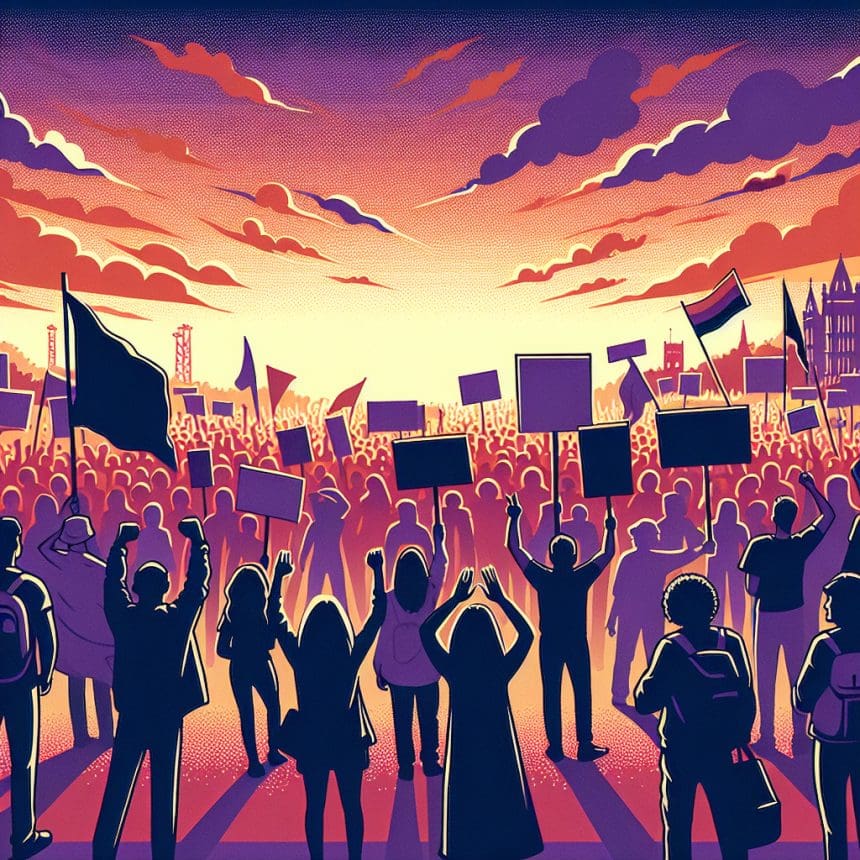
The announcement triggered immediate responses from various activist groups and citizens worldwide. Countries like Iraq, Lebanon, and even parts of Europe have witnessed significant protests. Demonstrators are expressing outrage against what they perceive as American imperialism and aggression.
Reasons Behind the Protests
1. Anti-American Sentiment
Historically, many regions view US military interventions as imperialistic. The military operations in Iran have rekindled old grievances related to American foreign policy, prompting people to take to the streets.
2. Fear of Escalation
With the announcement of new military operations, many fear that these actions could lead to a larger conflict in the Middle East. This fear motivates protestors who are advocating for peace and diplomacy over military intervention.
3. Regional Stability
Protestors are concerned about the stability of their own nations. Many citizens believe that US involvement often exacerbates local tensions rather than resolves them.
4. Humanitarian Concerns
The potential for civilian casualties and the humanitarian crisis that may follow military operations is a key concern driving protests. Activists are raising awareness about the consequences of military interventions.
Local Leaders React
Local leaders in various countries have echoed the sentiments of protesters, condemning US military operations. For instance, Iran’s government has called for resistance against American imperialism, further fueling tensions. This rhetoric can risk drawing more participants into the protests.
Social Media’s Role
Social media platforms have been instrumental in mobilizing protests. Activist groups are using hashtags to draw attention to their causes, and platforms like Twitter and Instagram have allowed for rapid dissemination of information.
The Global Context of Protests
The anti-US protests are not an isolated phenomenon. They are part of a broader global movement against perceived Western imperialism. Countries like Venezuela and Syria have seen similar sentiments expressed in recent years. Each situation has its own specifics, but the underlying feelings of disenfranchisement and anger against foreign intervention are common.
The Economic Angle
In addition to political dissatisfaction, economic factors also play a role in mobilizing protests. Many peoples affected by sanctions or military operations feel that their economic suffering is a direct result of US policy decisions. This is particularly evident in countries already struggling with economic challenges.
Future Implications
The ongoing protests may exacerbate tensions not only between the US and Iran but also among other nations involved in the geopolitical landscape. The potential for military escalation can destabilize regions further, leading to more massive humanitarian crises.
Conclusion
As tension continues to rise, the world watches closely. The anti-US protests signify a burgeoning discontent with American military interventions and illustrate a complex web of geopolitical relationships. The situation remains fluid, and how it unfolds will likely shape international relations for years to come.
Key Takeaways:
- US military operations provoke global protests.
- Anti-American sentiment and fear of escalation are primary protest motivators.
- Social media is a powerful tool for mobilization and awareness.
This article aims to provide insights into the current geopolitical climate and the reactions it has evoked. With clarity and a focus on the human element, it seeks to offer a comprehensive overview of the ongoing crisis.