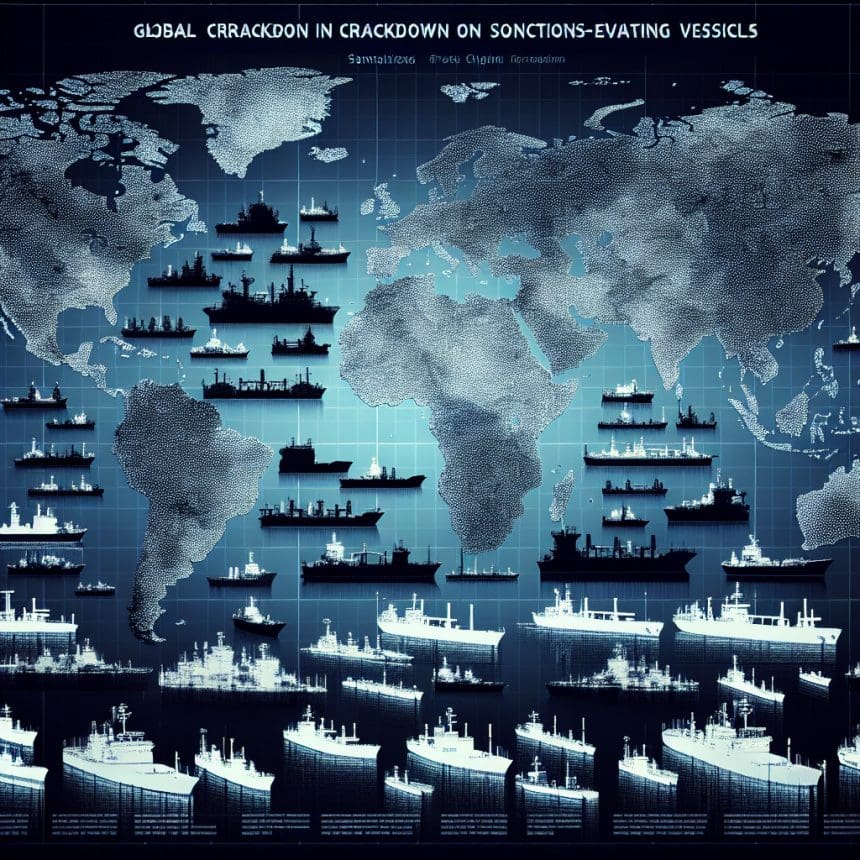
Headline: Global Response Looms as Sanctions-Skirting Shadow Fleets Expand
In a decisive move against the surge of shadow fleets circumventing international sanctions, global maritime authorities and enforcement agencies are ramping up efforts to identify and dismantle these clandestine operations. These fleets, often composed of aging vessels operating under flags of convenience, have been increasingly detected in regions like the Middle East and Eastern Europe as they facilitate illicit trade and circumvent sanctions imposed on several nations. A rising tide of diplomatic pressure, including recent calls from major economies, underscores the urgency of a coordinated international response.
Understanding Shadow Fleets
Shadow fleets refer to a growing number of illicit vessels operating in international waters, often re-flagged and operating under the radar to evade detection. The term has gained traction in global maritime discourse, particularly as sanctions regimes become more stringent. Countries like Iran, North Korea, and Russia have been repeatedly targeted by sanctions, leading these nations to clandestinely ship their goods through sophisticated networks designed to escape scrutiny.
These operations predominantly involve aging cargo ships—often re-registered under flags of convenience, such as Panama or Liberia—allowing owners to evade stricter oversight from their home countries. Maritime analysts estimate that the global fleet engaged in sanction evasion may have increased by as much as 30% over the past two years, highlighting a worrying trend that poses challenges for international maritime law and global trade.

Recent Developments in Enforcement
In recent months, the United States, European Union, and several Asian countries have collaborated to enhance intelligence-sharing initiatives aimed at tracking these shadow fleets. For instance, the U.S. Coast Guard has increased surveillance and conducted joint exercises with allied nations in strategic waterways, stressing the importance of coordinated efforts to cut off these clandestine networks.
Moreover, intelligence reports indicate that rogue nations have begun utilizing more sophisticated methods, including the use of ship-to-ship transfers in the open sea, to disguise the true origins of sanctioned cargoes. These tactics complicate enforcement and make it difficult for authorities to trace the source of illicit shipments.
Global Implications of Shadow Fleets
The ramifications of these shadow fleets are far-reaching and multifaceted. Firstly, they undermine the effectiveness of international sanctions, which were designed to pressure nations into compliance with global norms and agreements. As these fleets continue to operate, the potential for enabling further malign activities rises, including arms trafficking and illegal narcotics trade.
Furthermore, the expansion of shadow fleets threatens legitimate maritime businesses. Shipowners adhering to international laws face unfair competition from these vessels that operate without regard for regulations or safety standards. Economic analysts warn that this could lead to increased shipping costs and affect global supply chains, as companies may be forced to pass on the costs of enhanced security measures.
The Role of Technology
Advancements in technology play a dual role in this crisis; while they facilitate the operation of shadow fleets, they also provide opportunities for enforcement. Satellite imagery, advanced tracking systems, and AI algorithms are increasingly being employed by enforcement agencies to monitor suspicious shipping movements. Emerging technologies such as blockchain and smart contracts are being explored for their potential to enhance transparency in shipping operations, thereby allowing for more robust documentation of cargo end-to-end.
These technologies can provide a clearer picture of maritime activities globally, enabling authorities to target enforcement efforts effectively and identify patterns of illicit behavior. However, the challenge lies in the adaptation of such technologies within an already burdensome regulatory environment.
International Cooperation and Future Directions
In response to the growing threat posed by shadow fleets, international cooperation is expected to intensify. Major maritime nations have begun to outline strategies for enhanced collaboration, involving the sharing of intelligence, resources, and best practices. The International Maritime Organization (IMO) is playing a pivotal role by facilitating dialogues among member states to bolster frameworks addressing illicit maritime activities.
Moreover, workshops and training programs are increasingly being endorsed, aimed at educating vessel operators and stakeholders about the risks associated with engaging in or unknowingly supporting shadow fleet operations. Through these initiatives, authorities hope to foster a culture of compliance that would make it significantly harder for such entities to thrive.
Challenges Ahead
Despite these efforts, significant challenges remain. The fluid nature of global shipping routes and the complex interdependencies of the maritime supply chain create a daunting landscape for enforcement. Additionally, resolving the legal ambiguities surrounding flagging and ownership will require nuanced discussions and potential overhauls of existing maritime laws.
Another hurdle is the increasing resistance from nations that may benefit from the operations of shadow fleets. Diplomatic tensions may arise, particularly if powerful countries perceive the crackdown as an infringement upon their sovereignty or economic interests. Striking a balance between enforcement and diplomacy will be crucial moving forward.
Conclusion
The landscape of global shipping is at a critical juncture as shadow fleets continue to expand in both number and sophistication. A cooperative and comprehensive approach involving technology, international dialogue, and innovative legal frameworks will be essential in combating these clandestine networks. The stakes are high; the outcome of this global crackdown will have lasting implications on the efficacy of international sanctions and, ultimately, the stability of global trade. As nations come together to confront this challenge, the resolution of the shadow fleet menace will serve as a bellwether for future international cooperation on maritime security and beyond.