


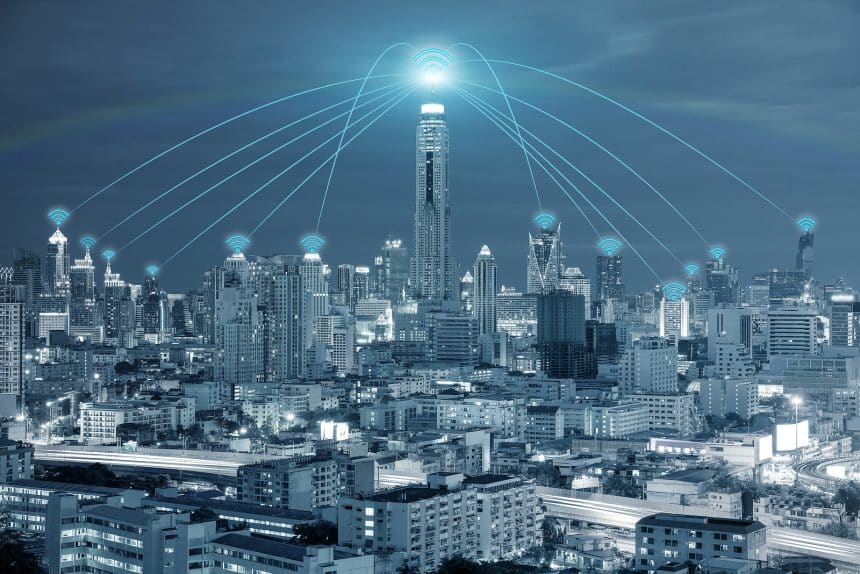
Americans are pushing back against data centers even as they demand faster, always-on digital services.
Rising electricity concerns intensify as developers explore building their own power sources.
The debate highlights a growing gap between digital expectations and infrastructure realities.
(STL.News) Across the United States, a growing conflict is taking shape—one that sits at the intersection of technology, infrastructure, and everyday life. Communities are increasingly resisting the construction of data centers in their neighborhoods, citing concerns about noise, environmental impact, and rising utility costs. Yet at the same time, those same communities are consuming more digital services than ever before, relying on the very infrastructure they are trying to block.
The Backbone of the Digital Economy
Data centers are no longer niche industrial projects—they are the backbone of the modern economy. Every online order, video stream, financial transaction, and mobile app interaction depends on massive networks of servers operating around the clock.
From restaurants using online ordering platforms to corporations managing cloud-based systems, the demand for data processing continues to accelerate. Artificial intelligence, in particular, has dramatically increased the need for computing power, pushing developers to expand capacity at an unprecedented pace.
This growth is not slowing down. In fact, it is accelerating, driven by consumer expectations for speed, convenience, and reliability.
Communities Push Back
Despite their importance, data centers are facing increasing resistance at the local level. Residents across the country are organizing to challenge proposed developments, often voicing concerns about:
- Constant noise from cooling systems and backup generators
- Large physical footprints that change neighborhood character
- Environmental impact, particularly related to energy and water use
- Strain on local infrastructure
Public hearings are becoming more heated, with communities demanding stricter regulations or outright rejecting projects altogether.
This resistance is understandable. Data centers are not visually appealing, and their operational demands can be significant. Unlike traditional commercial developments that bring visible foot traffic and retail activity, data centers operate quietly in the background, making their benefits less tangible to nearby residents.
The Contradiction No One Can Ignore
At the heart of the issue lies a clear contradiction.
The same individuals who oppose local data center construction are often the heaviest users of digital services. They stream high-definition content, rely on cloud storage, use smart home devices, engage on social media, and expect instant access to information.
Businesses, including small local operations, depend on these systems even more. Online ordering platforms, digital marketing tools, payment processing systems, and customer data management all require reliable, high-speed infrastructure.
The demand is relentless—and it is growing.
Data centers are not optional in this environment. They are essential infrastructure, as critical to modern life as electricity, roads, and telecommunications networks.
The Rising Concern: Electricity Costs
One of the most pressing concerns for residents is the potential impact on electricity prices.
Data centers consume enormous amounts of power. As more facilities are built, questions arise about whether local grids can handle the increased demand and whether consumers will ultimately bear the cost through higher utility bills.
This concern is not hypothetical. In regions experiencing rapid data center growth, utilities have had to invest heavily in infrastructure upgrades to meet demand. Those costs can, in some cases, be passed on to ratepayers.
For households already dealing with inflation and rising living expenses, the idea of higher energy bills tied to large-scale industrial projects is a significant concern.
A New Trend: Building Independent Power Sources
In response to these concerns—and to ensure reliable operations—many data center developers are taking a different approach. Instead of relying entirely on local power grids, they are exploring or actively building their own power generation systems.
These can include:
- On-site natural gas power plants
- Renewable energy installations such as solar or wind farms
- Hybrid systems combining multiple energy sources
- Long-term energy purchase agreements tied to dedicated production
This shift is changing the conversation.
On one hand, independent power generation can reduce strain on local grids, potentially limiting the impact on residential electricity costs. On the other hand, it introduces new concerns about emissions, land use, and long-term environmental effects.
Communities now face a more complex question: is it better for data centers to rely on shared infrastructure or to operate independently with their own power systems?
Balancing Growth and Responsibility
Cities like St. Louis are now navigating this challenge in real time. Approving data center projects requires balancing economic opportunity with community impact.
The benefits are clear. Data centers bring significant investment, support the digital economy, and position cities for long-term technological relevance. They can attract additional businesses, create jobs, and enhance overall infrastructure.
But those benefits must be weighed against legitimate concerns.
Responsible development is becoming the standard. This includes:
- Requiring energy-efficient designs
- Encouraging or mandating renewable energy use
- Implementing noise reduction strategies
- Ensuring proper water management
- Establishing community benefit agreements
Transparency is also critical. Residents want to understand what is being built, how it will operate, and what impact it will have on their daily lives.
The Cost of Saying No
Rejecting data center development may seem like a straightforward solution for communities concerned about local impact. However, the reality is more complicated.
If one city or region refuses to host these facilities, the demand does not disappear—it shifts elsewhere. Other communities absorb the infrastructure, along with its economic benefits and environmental trade-offs.
Meanwhile, the original community continues to rely on the same digital services, effectively outsourcing the burden while maintaining the benefits.
This raises broader questions about fairness and responsibility in a connected world.
A Turning Point in the National Conversation
The debate over data centers is no longer just about individual projects—it reflects a larger national conversation about infrastructure in the digital age.
Americans expect instant access to information, seamless connectivity, and increasingly advanced technological capabilities. Meeting those expectations requires physical infrastructure on a massive scale.
The challenge is not whether to build data centers, but how to build them in ways that align with community values and long-term sustainability goals.
The Path Forward
For cities, developers, and residents, the path forward will require compromise and innovation.
Developers must invest in cleaner, more efficient technologies and work closely with communities to address concerns. Cities must establish clear guidelines that balance growth with accountability. Residents must recognize the role these facilities play in supporting the digital services they depend on.
The conversation is evolving, but one thing is certain: the demand for data is not going away.
A Defining Issue of the Digital Era
The tension between data center opposition and digital demand highlights one of the defining challenges of modern society.
It is easy to embrace the convenience of technology without considering the infrastructure behind it. But as data centers become more visible—and more necessary—that disconnect is becoming harder to ignore.
Communities across the country, including St. Louis, are now at the center of this debate. The decisions made today will shape not only local development but the future of the digital economy itself.
In the end, the question is not whether data centers belong in our communities—but whether we are prepared to accept the realities of the world we have built.
More Technology News published on STL.News:
- Website Hosting for SEO and AI Rankings: Why Infrastructure Determines Who Wins Online
- STL.News Domain Authority Rises to 65, Signaling Growing Digital Influence
- How Technology Is Improving Access to Location-Based Search Results
- How AI Knowledge Management Enhances Business Intelligence?
- The Ultimate Guide to a Video Price Calculator for Businesses
© 2026 St. Louis Media, LLC d.b.a. STL.News. All rights reserved. No content may be copied, republished, distributed, or used in any form without prior written permission. Unauthorized use may result in legal action. Some content may be created with AI assistance and is reviewed by our editorial team. For official updates, visit STL.News.



