Headline: Air Traffic Controller’s Urgent Call Precedes Fatal Air Canada Crash
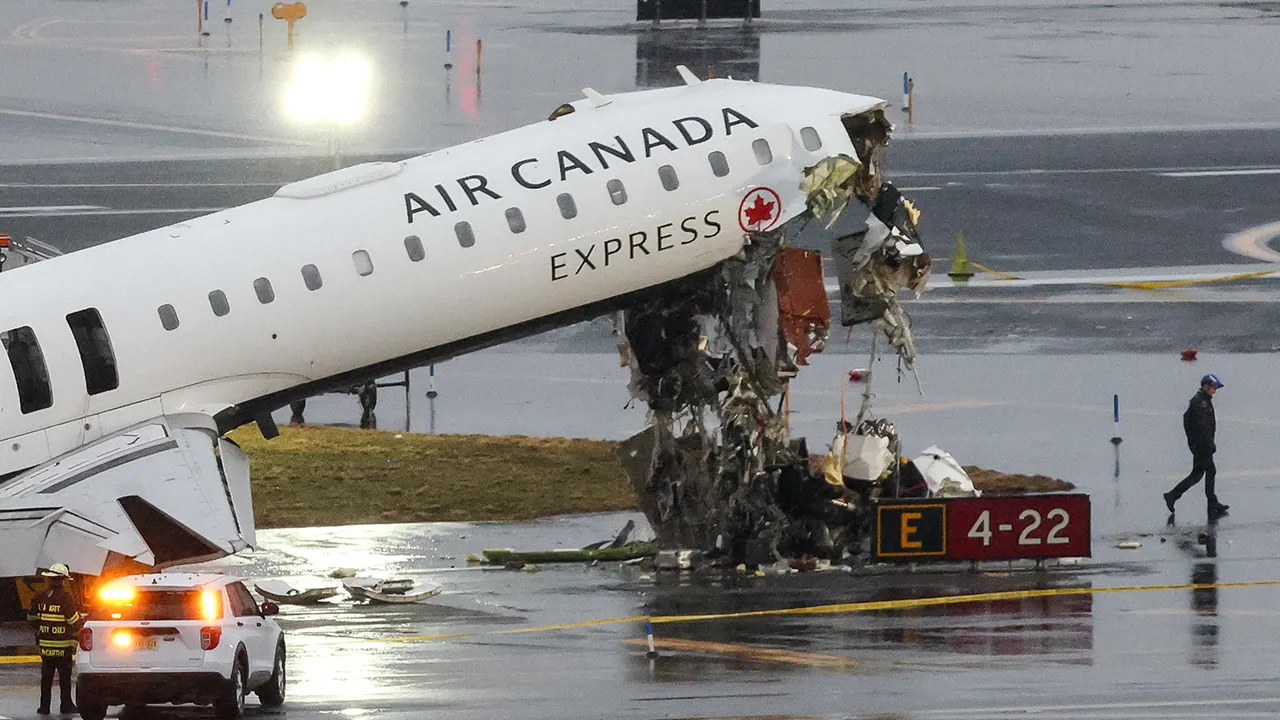
In a harrowing turn of events, an Air Canada flight crashed during its landing at Toronto Pearson International Airport on Monday afternoon, following a crucial communication from an air traffic controller who urgently instructed a ground vehicle to stop on the runway. Preliminary investigations suggest that the collision was a result of a miscommunication between the aircraft and the ground crew, raising serious concerns about air traffic management protocols in bustling airport operations.
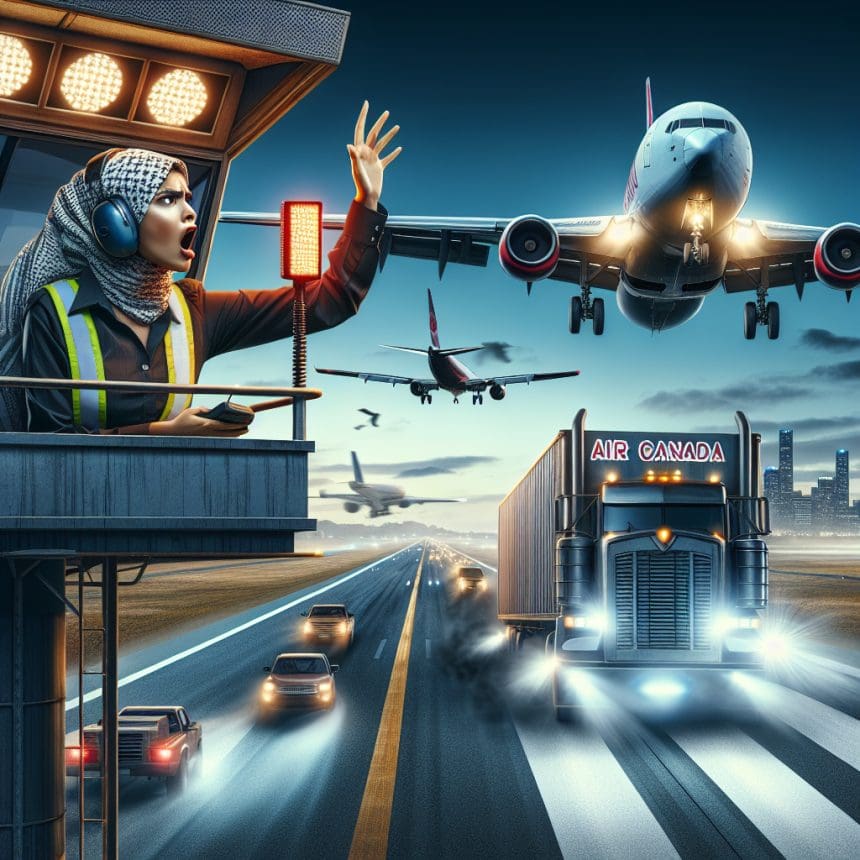
The incident took place at approximately 3:15 PM, sending shockwaves through the aviation community and prompting immediate emergency response measures. Eyewitnesses reported hearing a commotion as the aircraft, identified as Air Canada flight 8342, approached the runway. The air traffic controller, whose identity has not been disclosed, can be heard on audio recordings instructing a truck to cease movement moments before the plane’s landing gear touched down.
Understanding the Crisis
As details unfold, it is critical to examine the sequence of events that led to the catastrophic incident. The flight, which originated from Vancouver, was landing at one of Canada’s busiest airports when the collision occurred. Early reports indicate that the truck was a maintenance vehicle that had inadvertently entered the runway while the aircraft was in its final approach phase.

Investigative teams and aviation authorities are working tirelessly to piece together the information surrounding the crash. The Transportation Safety Board of Canada (TSB) deployed a specialized team to the site, focusing on gathering evidence to determine the cause of the ground incursion and whether regulatory compliance was met.
Eyewitness Accounts
Witnesses fleeing from the scene described a chaotic atmosphere; many were reportedly unaware of the immediacy of the situation until they heard the call from the air traffic controller. "It all happened so fast," stated one eyewitness who was on the tarmac at the time of the incident. "One moment, the aircraft was approaching normally, and the next, we heard [the controller’s] voice yelling for the truck to stop. We knew something was wrong."
Several passengers aboard Air Canada flight 8342 experienced a tumultuous landing. After the collision, emergency services quickly arrived on the scene, tending to the injured and ensuring the area was safe.
The Aftermath of the Accident
As the dust begins to settle from this tragic event, attention shifts to the implications for airport operations and air traffic control protocols. The aviation industry is known for its rigorous safety regulations, yet incidents like this compel a reevaluation of established protocols.
Experts in aviation safety have noted that while human error can play a significant role in such incidents, a comprehensive investigation into air traffic communication is essential. "Communication is the backbone of safety in aviation," says Steven Marks, a former air traffic controller. "Any breakdown in this chain can have dire consequences, as we have unfortunately seen in this case."
Regulatory and Safety Implications
This accident could spark discussions on broader regulatory practices across airports in Canada and beyond. Officials from the TSB are expected to leverage findings from this incident to suggest new measures aimed at improving overall safety and coordination between air traffic controllers and ground service personnel.
Moreover, the incident raises questions about the use of technology in preventing ground incursions. Automated systems that can alert ground crews of forthcoming aircraft might prove invaluable in avoiding future tragedies. With increased traffic at busy hubs like Toronto Pearson Airport, the integration of advanced technology could be a key factor in ensuring seamless operations between air and ground vehicles.
Community Response and Support
As the investigation continues, the local community has shown unwavering support for those affected by the crash. Several organizations have initiated fundraising campaigns to assist the passengers and crew members, some of whom sustained serious injuries. Psychological support services are also being offered to help individuals cope with the trauma experienced on that fateful day.
A vigil is planned for later this week to honor those impacted by the crash. Local residents and aviation enthusiasts alike are expected to come together in solidarity, emphasizing their commitment to safety within the aviation sector.
Air Canada’s Response
In the aftermath of this tragic event, Air Canada has expressed condolences to the affected families. The airline has stated that it is cooperating fully with the ongoing investigation and that an internal review is underway to evaluate their operational protocols.
CEO of Air Canada, Michael Rousseau, released a statement that read, “Our hearts go out to everyone involved in this unfortunate incident. The safety of our passengers and crew is our top priority, and we will take all necessary steps to ensure such an event does not occur in the future.”
Conclusion
As investigations continue, the aviation community is left grappling with both shock and the need for improvement. This devastating incident serves as a stark reminder of the critical necessity for clear communication and adherence to safety protocols in air traffic management. Whether through regulatory changes or the adoption of enhanced technologies, the lessons learned from this Air Canada crash must pave the way for a safer future in aviation.
In the days ahead, more information is expected to emerge, and the hope is that it will lead to lasting change that prioritizes the safety of all air travelers while ensuring that air traffic control best practices are upheld to the highest standards.