



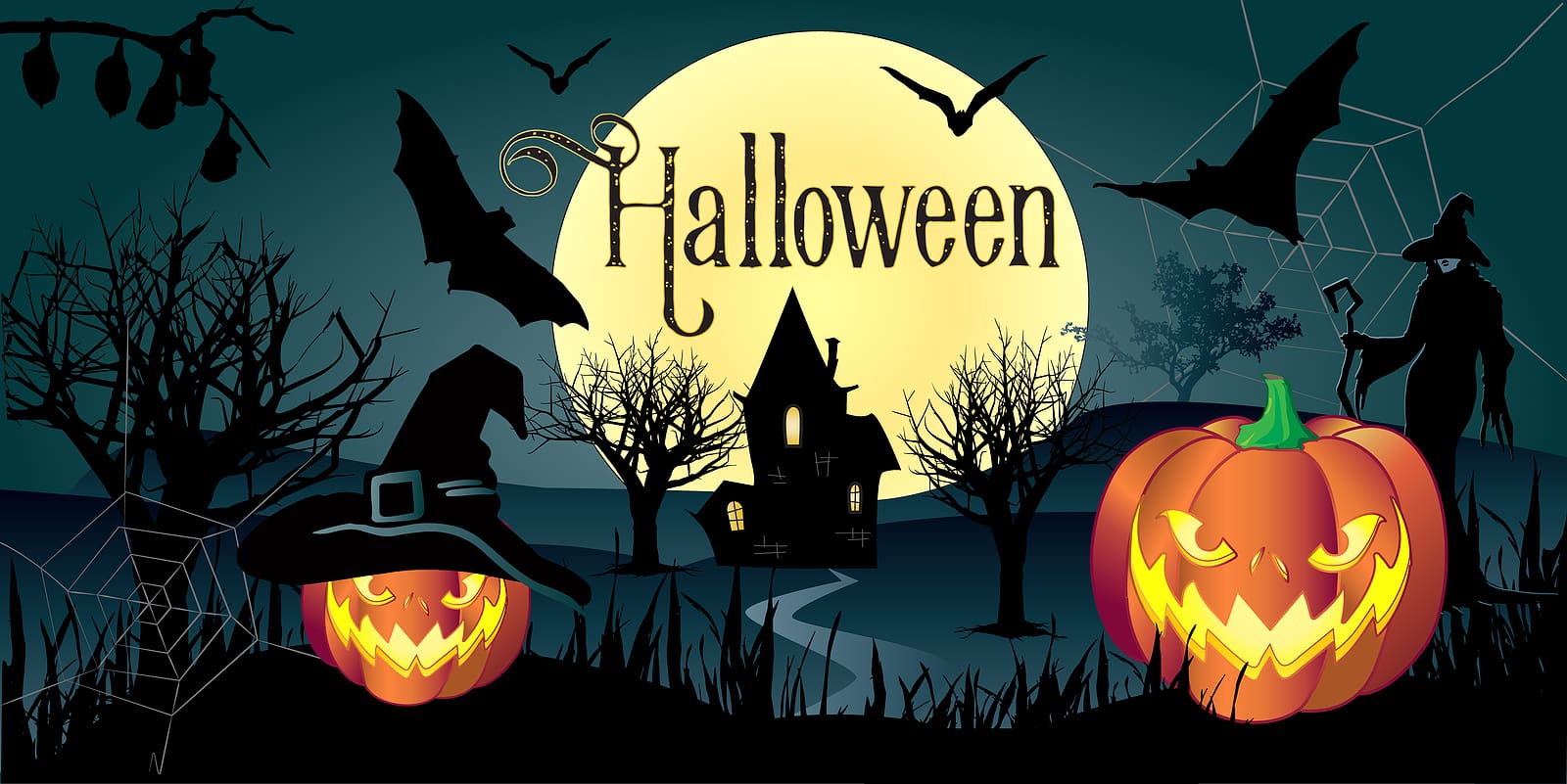
The Spirit of Halloween: How an Ancient Tradition Became America’s Favorite Fall Celebration
(STL.News) – Each year on October 31, millions of people across the United States celebrate Halloween. This holiday has evolved from ancient rituals into a colorful, community-driven celebration filled with costumes, candy, and creativity. From haunted houses and pumpkin patches to neighborhood trick-or-treating, Halloween remains one of the most beloved and widely recognized cultural events of the year.
Ancient Roots of Halloween
Long before it became a candy-filled night of fun, Halloween began more than 2,000 years ago with the ancient Celtic festival of Samhain (pronounced sow-in). For Celtic communities living in what is now Ireland, the United Kingdom, and parts of northern France, Samhain marked the end of the harvest season and the beginning of winter—a time of darkness, uncertainty, and spiritual mystery.
The Celts believed that on the night of October 31, the boundary between the world of the living and the dead became blurred. Spirits were thought to roam the earth, sometimes bringing mischief or harm. To protect themselves, people lit bonfires and wore animal-skin disguises to confuse wandering spirits. This night symbolized both fear and renewal—an ending to one season and the beginning of another.
From Pagan Ritual to Christian Holiday
Centuries later, as Christianity spread throughout Europe, church leaders sought to blend and reinterpret these older pagan traditions. By the 9th century, All Saints’ Day—also known as All Hallows’ Day—was established on November 1 to honor saints and martyrs. The evening before came to be known as All Hallows’ Eve, which eventually evolved into Halloween.
This combination of sacred observance and folk custom allowed the festival to survive, gradually losing its direct association with spirits and death while retaining its themes of remembrance and community. Even so, many of the original Celtic beliefs about honoring the dead and protecting oneself from evil persisted through the centuries, creating a unique fusion of spiritual reflection and cultural festivity.
Halloween Crosses the Atlantic
When European immigrants—especially the Irish and Scottish—arrived in North America during the 18th and 19th centuries, they brought their Halloween customs with them. Early American communities celebrated the day with storytelling, fortune-telling, dances, and mischief-making. Over time, these traditions merged with American culture, giving birth to what we now recognize as modern Halloween.
By the early 20th century, Halloween had become a community event in towns and cities across the United States. Local leaders encouraged family-friendly activities such as costume parades, pumpkin carving, and neighborhood parties to replace some of the rowdy pranks and superstitions of earlier generations.
The Rise of Trick-or-Treating
One of Halloween’s most popular customs, trick-or-treating, has roots in the medieval practice of “souling,” in which poor families visited homes to offer prayers for the dead in exchange for food. Later, in Scotland and Ireland, “guising” became common—children dressed in disguises and went door to door singing songs or reciting verses for small gifts.
In the United States, this evolved into the modern form of trick-or-treating during the 1930s and 1940s, when community leaders encouraged safe, organized fun to bring neighborhoods together. By the mid-20th century, it had become an American tradition—an event where children could dress as superheroes, witches, or ghosts and collect candy from friendly neighbors.
Today, trick-or-treating represents not only a night of excitement for kids but also a symbol of community connection, where households participate in a shared experience that blends generosity, creativity, and nostalgia.
The Jack-o’-Lantern Legend
No Halloween would be complete without the glow of a carved pumpkin. This tradition originates from an old Irish folktale about “Stingy Jack,” a man who tricked the devil and was doomed to roam the earth with only a hollowed-out turnip lantern to light his way. When Irish immigrants arrived in America, they discovered that pumpkins—native to North America—were larger and easier to carve than turnips.
Thus, the jack-o’-lantern became one of Halloween’s most enduring icons. Today, pumpkin carving is an art form in itself, ranging from simple smiling faces to elaborate, glowing masterpieces displayed proudly on porches throughout October.
Costumes, Parties, and Pop Culture
While early Halloween costumes were intended to ward off evil spirits, they have since evolved into a form of self-expression and entertainment. Each year brings new costume trends inspired by popular movies, television shows, and viral internet culture. From witches and vampires to superheroes and celebrities, Halloween allows people of all ages to embrace imagination without limits.
Halloween parties, haunted houses, corn mazes, and themed events have also grown into multi-billion-dollar industries. Retailers and entertainment companies use the season to showcase everything from décor to digital experiences, proving that the holiday’s influence extends far beyond its spooky roots.
In recent decades, Hollywood and the media have helped shape Halloween’s modern identity. Classic films like Halloween, Hocus Pocus, and The Nightmare Before Christmas remain annual favorites, blending fright and fun for audiences young and old.
Community and Economy
Beyond its cultural charm, Halloween plays a significant role in the American economy. According to industry studies, billions of dollars are spent each year on costumes, candy, decorations, and entertainment, making it one of the largest retail seasons after Christmas.
But Halloween is not just about spending—it’s about community engagement. Local businesses, restaurants, and neighborhoods host family-friendly events, parades, and charity fundraisers. Pumpkin festivals and haunted attractions generate tourism and local economic activity, especially in small towns and suburban areas.
In the St. Louis region, Halloween celebrations range from downtown costume parades to family-friendly festivals at local farms. Restaurants and bars often host themed events, turning the city into a lively mix of costumes, creativity, and commerce.
A Modern Reflection of Ancient Beliefs
Despite its commercialization, Halloween still reflects ancient themes of life, death, and transformation. It reminds us that darkness and light coexist—that endings can also mark new beginnings. The holiday’s evolution shows how society adapts ancient rituals into new forms of connection, community, and joy.
In many ways, Halloween is less about fear and more about freedom—freedom to imagine, to play, and to come together across generations. Whether you’re carving a pumpkin, donning a costume, or handing out candy to neighborhood children, you’re participating in a tradition that stretches back thousands of years and continues to thrive because it celebrates both the mystery and the magic of human creativity.
The Enduring Spirit of Halloween
From its Celtic origins to its modern American form, Halloween has transformed into a universal celebration of imagination and community. It bridges the gap between ancient beliefs and contemporary culture, offering a night where superstition, art, and entertainment merge into something uniquely joyful.
As October 31 arrives each year, homes light up with glowing pumpkins, children’s laughter fills the streets, and communities unite in a shared moment of celebration. Halloween endures not because of its ghosts or ghouls—but because it connects people through storytelling, creativity, and the enduring human desire to celebrate the changing of the seasons together.
Happy Halloween from STL.News!
© 2025 STL.News/St. Louis Media, LLC. All Rights Reserved. Content may not be republished or redistributed without express written approval. Portions or all of our content may have been created with the assistance of AI technologies, like Gemini or ChatGPT, and are reviewed by our human editorial team. For the latest news, head to STL.News.