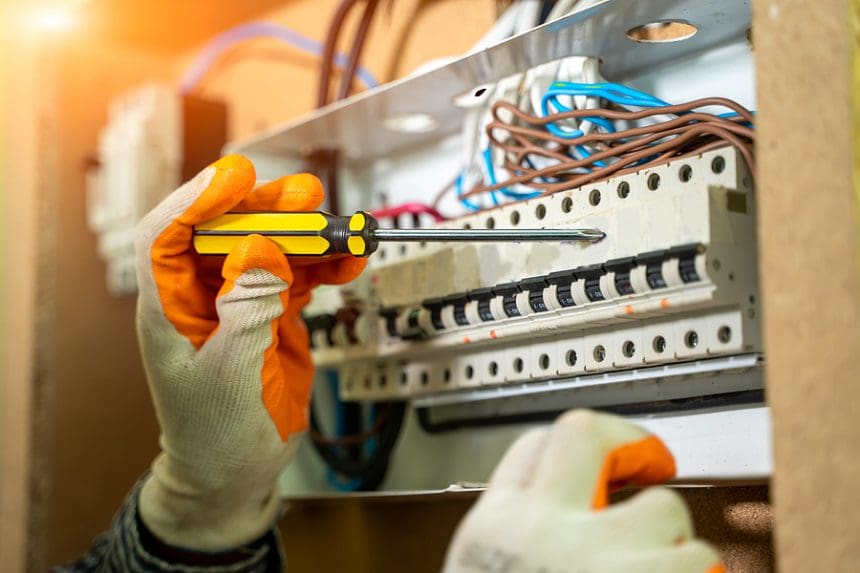
(STL.News) Due to the importance of functionality and safety, understanding wiring codes and legal requirements is critical to ensuring an accurate installation. Most electrical systems have requirements that must be met to maintain legal and technical standards. This blog will examine the eight important aspects of wiring codes, in particular, the compliance, protection of property, and efficiency of electrical systems.
1. Mandatory Compliance and Safety
Always remember that the primary focus of wiring codes is compliance and protection. Without compliance, systems are subject to legal issues and hazardous wiring, which could cause shocks, fires, and damage to equipment. Non-compliance puts the people using the electrical systems at risk, which reinforces the focus on maintaining protection, legal issues, and the systems’ operational safety.
2. Proper Circuit Design
Always remember that the codes require careful design of circuits, including proper sizing of the cables and load distribution. This design ensures that the circuits will handle electrical demands without overheating and will prevent tripping systems. In addition to that, this design will ensure functionality and will also save the consumer money in the long run to avoid unnecessary adjustments.
3. Earthing and Bonding Requirements
The absence of earthing and bonding is a violation of wiring code; faulty wiring can destroy property. Effective earthing and bonding perform different functions; earthing diverts fault current to the ground, and bonding ensures all metallic parts of the installation have the same electric potential. Adhering to the earthing and bonding requirements minimises the risks of any possible problems that may arise.

4. Selection of Equipment and Materials
Wiring codes are developed to control the materials and equipment used to ensure adequate strength. Using equipment, cables, and protective devices that do not comply with the wiring codes increases the chances of malfunction, ineffective protective devices, and unsafe operations. Optimally, choosing the right materials ensures the installation is constructive and meets the standards of the industry.
5. Protective Devices and Circuit Protection
Standards detail the installation of protective devices, including circuit breakers, RCDs, and fuses, to prevent faults. These measures isolate electrical problems before they escalate, safeguarding property and occupants. Proper circuit protection is essential for both safety and regulatory compliance. Wiring codes provide clear guidance on selecting and positioning these devices for optimal protection.
6. Documentation and Testing Procedures
AS/NZS 3000:2018 Wiring Rules require thorough documentation and testing to verify compliance. This includes circuit diagrams, equipment specifications, and testing records. Accurate records help with inspections, future maintenance, and troubleshooting. Furthermore, following these requirements ensures systems are not only installed safely but are also traceable and maintainable over time.
7. Accommodating Emerging Technologies
Modern wiring codes include provisions for new technologies such as solar panels and electric vehicle charging. Incorporating these updates ensures systems integrate seamlessly with contemporary electrical solutions. Compliance prevents conflicts with older standards and supports long-term system flexibility. Adapting to these requirements keeps installations future-ready and fully functional.
8. Ongoing Maintenance and Inspection Requirements
Wiring codes emphasise the need for regular inspection and maintenance to ensure systems remain safe. Electrical components can deteriorate due to wear, environmental factors, or changes in usage. Routine checks help identify faults early, reducing the risk of failures, fires, or unexpected downtime. Following these requirements ensures safety and continued compliance with current standards.
Meeting Electrical Code Standards
Following key requirements in wiring codes is essential for safety, compliance, and efficiency. From understanding circuit design to emerging technology provisions, you ensure installations meet legal expectations. Proper documentation and adherence to updated standards protect property and users. Staying informed and compliant benefits every installation, making electrical systems more reliable.
Other news articles published on STL.News:
- Essential HVAC Tools Every Technician Needs in 2026
- Why Quality Packaging Supplies Matter for Every Business
- 6 Reasons You Need Dedicated Site Offices Onsite
- Boeing Defense HQ Move Raises Public Safety Questions in St. Louis
- U.S. Dollar Index Slides as Global Markets Rebalance
© 2026 – St. Louis Media, LLC d.b.a. STL.News