


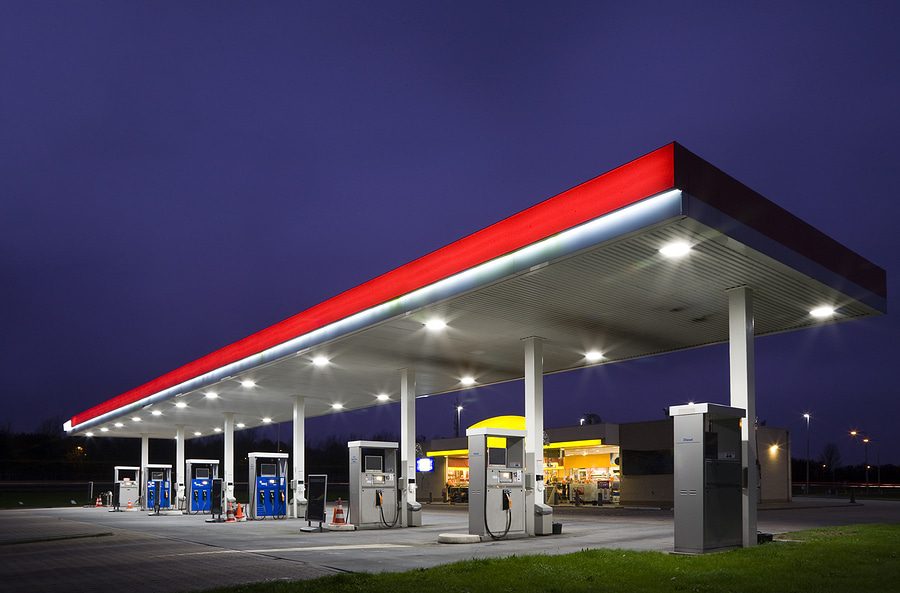
Gasoline prices are climbing rapidly across the United States, leaving consumers frustrated and businesses under pressure.
The surge is not caused by a single issue but by a combination of global conflict, supply disruptions, and strong demand.
Understanding what is driving these increases helps explain why relief may not come quickly.
A Sudden Spike That Feels Personal
(STL.News) If it feels like gasoline prices jumped overnight, you’re not imagining it. Drivers across the country have watched prices climb week after week, with some regions seeing sharp increases in just a few days. What makes this situation more frustrating is that it touches nearly every part of daily life—from commuting to grocery shopping to the cost of running a business.
Gasoline prices are one of the most visible indicators of economic pressure. Unlike other expenses that creep up quietly, fuel costs are posted on large signs at every intersection. When those numbers rise, consumers notice immediately. But the real story behind the surge is more complex than it appears at the pump.
The Global Oil Chain Reaction
At the core of rising gasoline prices is crude oil—the raw material used to produce gasoline. When oil prices increase, gasoline almost always follows. The current surge is largely tied to geopolitical tensions, particularly involving the Middle East.
Conflicts in oil-producing regions create uncertainty in global supply. Even if oil production is not immediately reduced, the fear of disruption is enough to push prices higher. Markets react quickly to risk, and oil traders often price in the possibility of future shortages before they actually occur.
One of the most critical factors is the stability of key shipping routes. When there is concern about disruptions in major oil transit areas, the global supply chain tightens. This sends prices upward almost instantly, and those increases filter down to gasoline within days or weeks.
Supply Constraints Are Real—and Growing
While global tensions are a major driver, they are not the only factor. Supply constraints within the United States are also playing a significant role.
Refineries, which convert crude oil into gasoline, are operating under pressure. Some have been temporarily shut down for maintenance, while others are dealing with unexpected outages. When refinery output drops, the supply of gasoline decreases—even if crude oil is still available.
In addition, the United States has fewer refineries than it did in past decades. This means there is less flexibility in the system when something goes wrong. Even a small disruption can have a large impact on prices.
Seasonal factors also come into play. As the country moves into warmer months, gasoline demand increases due to travel and tourism. At the same time, refineries switch to summer fuel blends, which are more expensive to produce. This combination tightens supply further and pushes prices higher.
Demand Isn’t Slowing Down
One of the biggest reasons prices remain elevated is simple: people are still buying gasoline at high levels.
Despite rising costs, Americans continue to drive, commute, and travel. This steady demand keeps pressure on the supply chain. In economic terms, when demand stays strong while supply is limited, prices rise.
This creates a difficult cycle. Higher prices do not immediately reduce consumption, especially in a country where driving is essential for work and daily life. Without a meaningful drop in demand, there is little downward pressure on prices.
The Role of Oil Markets and Speculation
Oil is traded globally, and its price is influenced by more than just physical supply and demand. Financial markets also play a role.
Traders buy and sell oil contracts based on expectations about the future. If they believe supply will tighten or demand will increase, prices can rise quickly—even before any real shortage occurs. This speculative activity amplifies price swings and increases market volatility.
In times of uncertainty, this effect becomes even stronger. Fear of disruption can push prices higher than what current conditions alone would justify. That volatility eventually reaches consumers as higher gasoline prices.
Why Prices Rise Faster Than They Fall
Many drivers notice that gasoline prices seem to increase quickly but decline slowly. This is not just perception—it reflects how the system works.
When oil prices rise, retailers adjust gasoline prices almost immediately to cover higher costs. However, when oil prices fall, the adjustment tends to happen more gradually. This lag is partly due to existing inventory, transportation costs, and the need for stations to maintain margins.
The result is a pattern where price increases feel sudden, while decreases take longer to materialize. This dynamic adds to consumer frustration and reinforces the sense that prices are always moving in one direction.
The Ripple Effect Across the Economy
Rising gasoline prices don’t just affect drivers—they impact the entire economy.
Transportation costs increase for businesses, which leads to higher prices for goods and services. Food becomes more expensive as shipping costs rise. Delivery services, airlines, and logistics companies all pass along higher fuel costs to consumers.
This ripple effect contributes to broader inflation. Even people who drive less still feel the impact through higher prices at the store and increased costs for everyday necessities.
What Could Bring Prices Down?
While the current trend is upward, several factors could help stabilize or reduce gasoline prices.
A decrease in geopolitical tensions would reduce uncertainty in oil markets. Increased oil production, either domestically or globally, could boost supply. Improved refinery operations would also help ease pressure on gasoline availability.
Additionally, a slowdown in demand—whether due to economic changes or consumer behavior—could reduce price pressure. However, these shifts take time, and none are guaranteed in the short term.
Why Relief May Take Time
The reality is that gasoline prices are influenced by a complex web of global and domestic factors. Changes in one area do not immediately translate into lower prices at the pump.
Even if oil prices stabilize, it can take weeks for those changes to work through the supply chain. Refining, distribution, and retail pricing all add layers of delay.
For consumers, this means that relief is unlikely to be immediate. The current environment suggests that prices may remain elevated for the near future, especially if global tensions persist and demand stays strong.
Final Thoughts
The sharp rise in gasoline prices is not the result of a single event, but a combination of interconnected forces. Global conflicts, supply constraints, strong demand, and market dynamics are all pushing prices higher simultaneously.
Understanding these factors helps explain why the increases feel sudden and why they may not reverse quickly. While the situation is frustrating, it reflects deeper economic and geopolitical realities that extend far beyond the gas pump.
For now, drivers should be prepared for continued volatility—and possibly higher prices—until the underlying pressures begin to ease.
More General News stories published on STL.News:
- Iran Leader Surfaces as Oil Markets React to Rising Tensions
- Missouri Ranks #9 Nationally for Senior Motorcycle Crash Rate, Crashes Up 57.8%
- St. Charles County Task Force Targets Crimes Crossing City, County Lines
- Iran War Update 2026: Fragile Ceasefire and Rising Global Tensions
- The Hidden Cost of Convenience: How Modern Life Is Quietly Reshaping Human Behavior Worldwide
© 2026 St. Louis Media, LLC d.b.a. STL.News. All rights reserved. No content may be copied, republished, distributed, or used in any form without prior written permission. Unauthorized use may result in legal action. Some content may be created with AI assistance and is reviewed by our editorial team. For official updates, visit STL.News.



