


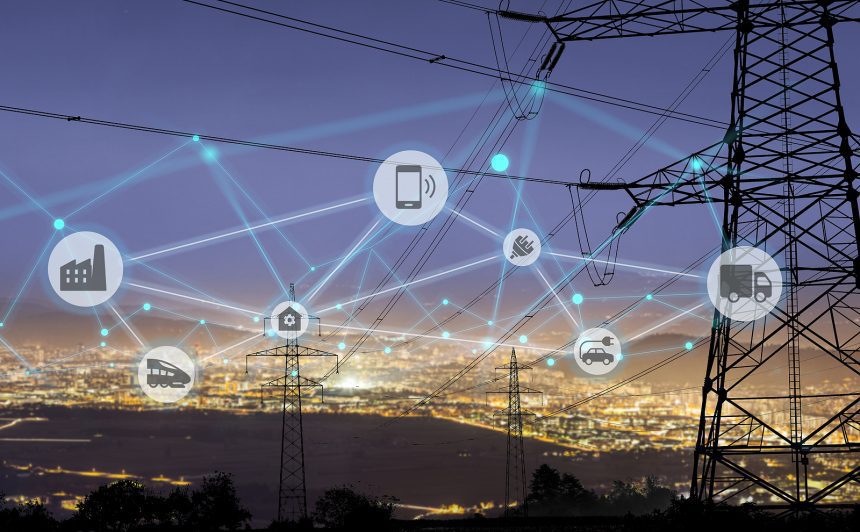
Electricity prices are climbing as utilities confront aging infrastructure, growing demand, and higher operating costs. A deadly St. Louis house fire highlights why access to essential energy services has become a serious public safety concern.
ST. LOUIS, MO – November 14, 2026 (STL.News) Americans are paying more for electricity, and the financial burden is growing for households already struggling with housing, groceries, insurance, transportation, and other essential expenses.
Electricity is no longer simply a convenience. It powers heating and cooling systems, refrigerators, lighting, communications, medical equipment, and much of the technology required for everyday life.
Yet the cost of maintaining these essential services keeps rising.
For financially secure households, an additional $20 or $30 on a monthly electric bill may be manageable. For families living paycheck to paycheck, the same increase can mean postponing another payment, cutting back on groceries, or falling further behind on household expenses.
In extreme circumstances, losing access to electricity or natural gas can create dangerous living conditions.
A devastating house fire in south St. Louis this week demonstrates the potential consequences of living without essential utilities.
On November 11, 2026, a two-year-old girl died in a house fire in the city’s Carondelet neighborhood. According to First Alert 4, the residence had no electricity, and occupants had been using candles for lighting and warmth.
The St. Louis Fire Department identified an unattended candle as the cause of the accidental fire, although the investigation remained ongoing when the incident was reported.
The tragedy raises an important question: As electricity becomes more expensive, what protections exist for Americans who cannot afford essential utility services?
Answering that question requires examining electricity prices, infrastructure investment, growing energy demand, government regulation, and the financial pressures affecting millions of households.
A Two-Year-Old Dies in a St. Louis House Fire
The fatal fire occurred at approximately 4:30 a.m. on November 11 at a residence on Pennsylvania Avenue in south St. Louis.
Firefighters arrived to find heavy flames and learned that a young child remained trapped inside.
The two-year-old girl died. Two adults and three other children escaped and were taken to hospitals for treatment following smoke exposure.
According to First Alert 4, investigators identified an unattended candle as the cause and classified the fire as accidental. The investigation was still ongoing when the report was filed.
The residence also lacked functioning smoke alarms.
A source told First Alert 4 that natural gas service had been disconnected in March and electricity service in September.
STL.News has not independently confirmed those disconnection dates or the reasons for the loss of service,
It would therefore be inaccurate to conclude that rising utility rates or unpaid bills directly caused the household’s circumstances.
However, the absence of essential utilities and functioning smoke alarms created dangerous conditions that deserve public attention.
Gentry Trotter, founder of Heat Up St. Louis, told First Alert 4 that residents struggling with utility bills should contact their providers and seek help before the situation worsens.
His organization helps qualifying households with utility-related financial emergencies.
The tragedy illustrates why utility affordability, emergency assistance, and housing safety should be considered together.
How Much Have Electricity Prices Increased?
According to the U.S. Energy Information Administration’s November 10, 2026, Short-Term Energy Outlook, residential electricity prices have increased and are expected to continue rising.
The agency’s national average residential electricity prices are:
| Year | Average price per kilowatt-hour |
|---|---|
| 2024 | 16.5 cents |
| 2025 | 17.2 cents |
| 2026 forecast | 18.2 cents |
| 2027 forecast | 18.7 cents |
The figures are rounded as presented in the EIA’s November report.
They indicate that average residential electricity prices are projected to increase approximately 13% between 2024 and 2027.
For a household consuming 1,000 kilowatt-hours monthly, the difference between the 2024 average and the projected 2027 price represents approximately $22 more per month, assuming electricity consumption remains unchanged.
That equals approximately $264 annually.
Actual bills vary depending on geographic location, household consumption, weather conditions, and utility billing structures.
The national averages also conceal substantial regional differences.
Some states have relatively low electricity prices, while others face significantly higher rates because of infrastructure expenses, fuel costs, regulatory arrangements, and regional energy markets.
For consumers already experiencing financial hardship, the cumulative effect of rising utility bills can be substantial.
Electricity is also only one part of household energy expenses.
Many families pay separately for natural gas, water, sewer service, and other utilities.
When those expenses increase alongside rent, groceries, and insurance, household budgets can become increasingly difficult to manage.
Why Are Electric Bills Rising Across America?
Electricity prices are influenced by multiple economic, technological, and regulatory factors.
No single factor explains rising rates nationwide.
However, several developments are placing pressure on the electricity system.
1. Aging Infrastructure Requires Major Investment
America’s electric grid is an enormous network of generating facilities, transmission lines, substations, transformers, and distribution systems.
Much of this infrastructure requires maintenance, replacement, modernization, or expansion.
Utilities must invest in equipment to maintain reliability, improve resilience against severe weather, and accommodate changes in electricity demand.
These projects can be expensive.
For investor-owned utilities, state regulatory commissions generally determine which qualifying infrastructure expenses utilities may recover through customer rates.
When utilities receive approval for major investments, customers may eventually pay higher rates to help finance those improvements.
These expenditures can provide important benefits, including improved reliability and fewer outages.
However, they also raise affordability questions.
Consumers need reliable electricity, but they also need confidence that infrastructure projects are necessary, managed efficiently, and priced reasonably.
2. Artificial Intelligence and Data Centers Are Increasing Demand
The rapid expansion of artificial intelligence, cloud computing, and large data centers is changing America’s electricity requirements.
Data centers operate extensive computing equipment that consumes substantial amounts of electricity.
Servers, cooling systems, networking equipment, and backup infrastructure can operate continuously.
As utilities build additional facilities, they must evaluate whether existing generation capacity and transmission infrastructure can support the increased demand.
The EIA’s November 2026 outlook estimates that electricity generation by the U.S. electric power sector will reach nearly 4,390 billion kilowatt-hours in 2026, approximately 2.7% above the previous year’s record.
The agency identifies growing commercial-sector demand and unusually hot summer weather as important contributors.
Additional electricity demand can require new power plants, transmission lines, substations, and distribution equipment.
These investments create important questions about cost allocation.
If a large commercial customer requires substantial infrastructure improvements, should residential customers help finance those projects?
Or should the commercial customer pay a greater portion of the associated expenses?
The answer depends on regulatory decisions, utility rate structures, and whether the investments benefit other customers.
Large commercial users can also contribute substantial revenue to utility systems, potentially helping distribute fixed costs across a broader customer base.
Therefore, increased demand does not automatically mean higher residential rates in every market.
However, the rapid expansion of electricity-intensive industries makes infrastructure financing and cost allocation increasingly important.
3. Natural Gas Prices Influence Electricity Costs
Natural gas remains a major fuel for electricity generation in the United States.
When natural gas prices rise, electricity generation costs can increase.
The impact depends on regional electricity markets, fuel contracts, and the availability of other generating resources.
Coal, nuclear energy, hydroelectric power, wind, and solar generation also contribute to the nation’s electricity supply.
Each source has different operating expenses, capital requirements, and financial risks.
Renewable energy facilities can reduce fuel expenditures, but developing new projects and connecting them to the electric grid requires investment.
Existing power plants also require maintenance, equipment upgrades, and operating expenses.
The final price consumers pay reflects a combination of these factors.
4. Extreme Weather Increases Electricity Expenses
Severe weather affects electricity bills in several ways.
During summer heat waves, air-conditioning systems operate longer and consume more electricity.
During winter, households using electric heating may experience substantial increases in consumption.
Storms, flooding, and high winds can also damage electrical infrastructure.
Utilities must repair power lines, transformers, substations, and other equipment.
They may invest in stronger infrastructure to reduce future damage.
Depending on regulatory decisions, some of these costs can eventually affect customer rates.
It is important to distinguish between rising electricity rates and increased electricity consumption.
A household may receive a significantly higher bill during an unusually hot month even if its utility has not changed the underlying price per kilowatt-hour.
Both factors must be considered when evaluating affordability.
5. Regulation Determines How Utility Costs Are Distributed
Government regulation influences electricity rates.
Investor-owned utilities generally submit rate requests to state regulatory commissions.
These proceedings examine operating expenses, infrastructure investments, financing costs, and authorized returns on qualifying investments.
Utilities argue that adequate revenue is necessary to maintain reliable service and finance future improvements.
Consumer advocates often question whether proposed expenses are necessary, whether utilities are operating efficiently, and whether residential customers are being asked to absorb high costs.
Regulators must balance these concerns.
Reliable electricity requires substantial investment.
At the same time, households cannot absorb unlimited increases without financial consequences.
The challenge is determining which costs are justified and how to distribute those expenses among residential, commercial, and industrial customers.
Electricity Affordability Is a Public Safety Issue
Electricity is essential to keeping homes safe and livable.
It supports heating, cooling, refrigeration, lighting, communications, and medical equipment.
When households lose access to electricity, the consequences can extend far beyond inconvenience.
Families may struggle to preserve food, maintain safe indoor temperatures, or operate electrically powered medical devices.
During extreme heat, losing air conditioning can create dangerous conditions.
During freezing weather, the absence of safe heating can expose residents to serious health risks.
Some households may turn to candles, portable heaters, or other alternatives.
These methods can introduce fire hazards and, when fuel-burning equipment is used improperly, carbon monoxide risks.
The fatal St. Louis fire demonstrates the dangers associated with relying on candles in a residence without electricity.
It also underscores the importance of functioning smoke alarms.
The broader issue is whether financially vulnerable households have sufficient access to assistance before utility problems become emergencies.
Missouri’s Cold Weather Rule Offers Protections
Missouri has established consumer protections intended to reduce the danger of utility disconnections during cold weather.
The state’s Cold Weather Rule operates annually from November 1 through March 31.
Under Missouri Revised Statutes Section 393.109, utility providers generally cannot disconnect qualifying residential gas and electric service used for heating for nonpayment when the applicable National Weather Service forecast predicts temperatures below 32 degrees Fahrenheit during the specified 72-hour period.
The law also provides protections involving certain reconnection circumstances.
Legislation enacted in 2025 expanded the relevant forecast protection period from 24 hours to 72 hours.
According to the Missouri Public Service Commission, additional protections for eligible customers include more flexible payment terms, extended payment arrangements, and notification requirements.
Customers who are disabled or older than 65 may register with their utility for additional assistance.
However, the Cold Weather Rule does not automatically prevent every disconnection throughout the winter.
Eligibility requirements and individual circumstances remain important.
The rule also does not automatically eliminate unpaid balances.
In the St. Louis fire, First Alert 4 reported that electricity service had been disconnected in September, before the annual cold-weather protection period began.
That reported timing raises questions about how households already without service can obtain reconnection assistance as temperatures decline.
There is no verified basis to conclude that a utility violated Missouri law in connection with the household involved in the fire.
Nevertheless, the incident illustrates the importance of accessible assistance programs and effective consumer protections.
Why Lower-Income Households Face Greater Risks
Electricity price increases do not affect every household equally.
For higher-income families, a modest monthly increase may be manageable.
For households already struggling with basic expenses, the same increase can create serious difficulties.
A family may face rising rent, grocery prices, insurance premiums, and transportation costs at the same time.
An unexpected medical expense, car repair, or reduction in working hours can further weaken its financial position.
Older homes can compound the problem.
Poor insulation, inefficient windows, aging heating systems, and outdated appliances can increase electricity consumption.
Renters may have limited ability to make improvements because major building upgrades generally require action by property owners.
As a result, households with limited financial flexibility may also have limited control over their energy expenses.
Energy efficiency improvements can help reduce consumption, but conservation alone cannot solve every affordability problem.
Families cannot safely eliminate heating during freezing weather or air conditioning during dangerous heat simply to reduce their bills.
Are Utility Companies Making Too Much Money?
Questions about utility profits frequently arise when electricity prices increase.
Investor-owned utilities are businesses that finance infrastructure, maintain equipment, employ workers, and seek returns for shareholders.
State regulators generally determine authorized returns on qualifying investments.
Profits do not automatically establish that utility rates are excessive.
However, consumers have a legitimate interest in understanding how utility earnings, executive compensation, capital spending, and financing decisions influence their bills.
Regulatory proceedings should provide opportunities to examine whether proposed investments are necessary and whether expenses are being managed responsibly.
Transparency is particularly important when households face financial hardship.
Consumers should understand why electricity rates are increasing and what benefits they can expect from the investments they help finance.
What Can Be Done to Improve Electricity Affordability?
There is no single solution to rising electricity costs.
However, several approaches deserve consideration.
Greater transparency in utility rate reviews: Regulators can require clear explanations of major infrastructure investments and their effects on residential customers.
Stronger assistance programs: Income-qualified financial assistance and emergency funding can help vulnerable households maintain essential services.
More flexible payment arrangements: Manageable repayment options may help families recover from temporary financial setbacks.
Expanded energy efficiency programs: Weatherization, insulation, and efficient heating and cooling equipment can reduce electricity consumption.
Fair infrastructure cost allocation: Regulators can examine whether large commercial electricity users are paying an appropriate share of the infrastructure costs associated with their operations.
Earlier intervention: Utilities and community organizations can help connect struggling households with assistance before unpaid balances become unmanageable.
Each approach involves costs and financial trade-offs.
The objective should be to maintain reliable electricity service while reducing the risk that vulnerable households lose access to essential utilities.
Where St. Louis Residents Can Find Utility Assistance
Residents struggling with electricity or natural gas bills should contact their utility providers as early as possible.
Payment arrangements, assistance referrals, and other options may be available depending on individual circumstances.
Several organizations serving the St. Louis region provide utility assistance or referrals.
Heat Up/Cool Down St. Louis helps qualifying households with energy-related financial hardships. Residents can visit https://heatupstlouis.org.
Missouri’s Low Income Home Energy Assistance Program (LIHEAP) provides assistance to eligible households with heating and cooling expenses. Information is available through the Missouri Department of Social Services at https://dss.mo.gov.
United Way 211 helps residents locate community assistance programs. Residents can dial 211 for information about available resources.
Ameren Missouri provides information about payment arrangements and assistance programs at https://www.ameren.com/missouri.
The Missouri Public Service Commission provides consumer information concerning utility protections and complaints. Its consumer services telephone number is 1-800-392-4211.
Households without safe heating or electricity should seek assistance promptly.
Never use candles as a primary heat source. Do not use ovens, outdoor grills, or generators to heat indoor living spaces.
Working smoke alarms are essential.
A National Problem With Human Consequences
America’s electricity system is undergoing significant changes.
Demand is increasing, infrastructure requires modernization, and new technologies are creating additional requirements for power generation and distribution.
These developments create legitimate financial challenges for utilities.
At the same time, American households are confronting higher costs across numerous essential categories.
The resulting financial pressure is particularly serious for families with limited incomes.
The death of a two-year-old girl in St. Louis should serve as a reminder that living without essential utilities can have devastating consequences.
The specific financial circumstances surrounding that household’s loss of service remain unresolved in the available reporting.
But the dangers associated with inadequate lighting, unsafe heating alternatives, and missing smoke alarms are clear.
The national discussion about electricity costs should therefore extend beyond generation capacity, infrastructure financing, utility profits, and regulatory decisions.
It should also address the households that depend on electricity for basic safety.
An electric grid can be technologically advanced and financially sustainable while still leaving some Americans unable to afford essential service.
That possibility deserves serious attention.
The challenge facing utilities, regulators, and policymakers is maintaining a reliable electricity system while keeping affordability central.
For American families, electricity is not a luxury.
It is necessary to maintain safe, livable homes.
As electricity prices continue to rise, protecting access to essential energy services must remain part of the national conversation about America’s economic future.
Sources and References
- U.S. Energy Information Administration — November 10, 2026, Short-Term Energy Outlook: https://www.eia.gov/outlooks/steo/report/electricity.php
- U.S. Energy Information Administration — Factors Affecting Electricity Prices: https://www.eia.gov/energyexplained/electricity/prices-and-factors-affecting-prices.php
- First Alert 4 — November 11, 2026, reporting on the fatal South St. Louis house fire: https://www.firstalert4.com/2026/11/12/2-year-old-girl-dies-south-st-louis-house-fire-without-utilities-leading-push-available-assistance-resources/
- Missouri Public Service Commission — October 30, 2026, Cold Weather Rule announcement: https://psc.mo.gov/General/Missouri_Cold_Weather_Rule_Takes_Effect_November_1_-_pr-27-32
- Missouri Revised Statutes, Section 393.109 — Cold-weather utility protections: https://www.revisor.mo.gov/main/OneSection.aspx?section=393.109
- Missouri Department of Social Services — Energy assistance programs: https://dss.mo.gov
- Heat Up St. Louis — Utility assistance resources: https://heatupstlouis.org
Editorial note: This article combines federal energy data, official Missouri utility regulations, published local reporting, and economic analysis. The reasons for the utility disconnections at the residence involved in the fatal St. Louis fire have not been independently established. No finding of utility misconduct is implied.



