


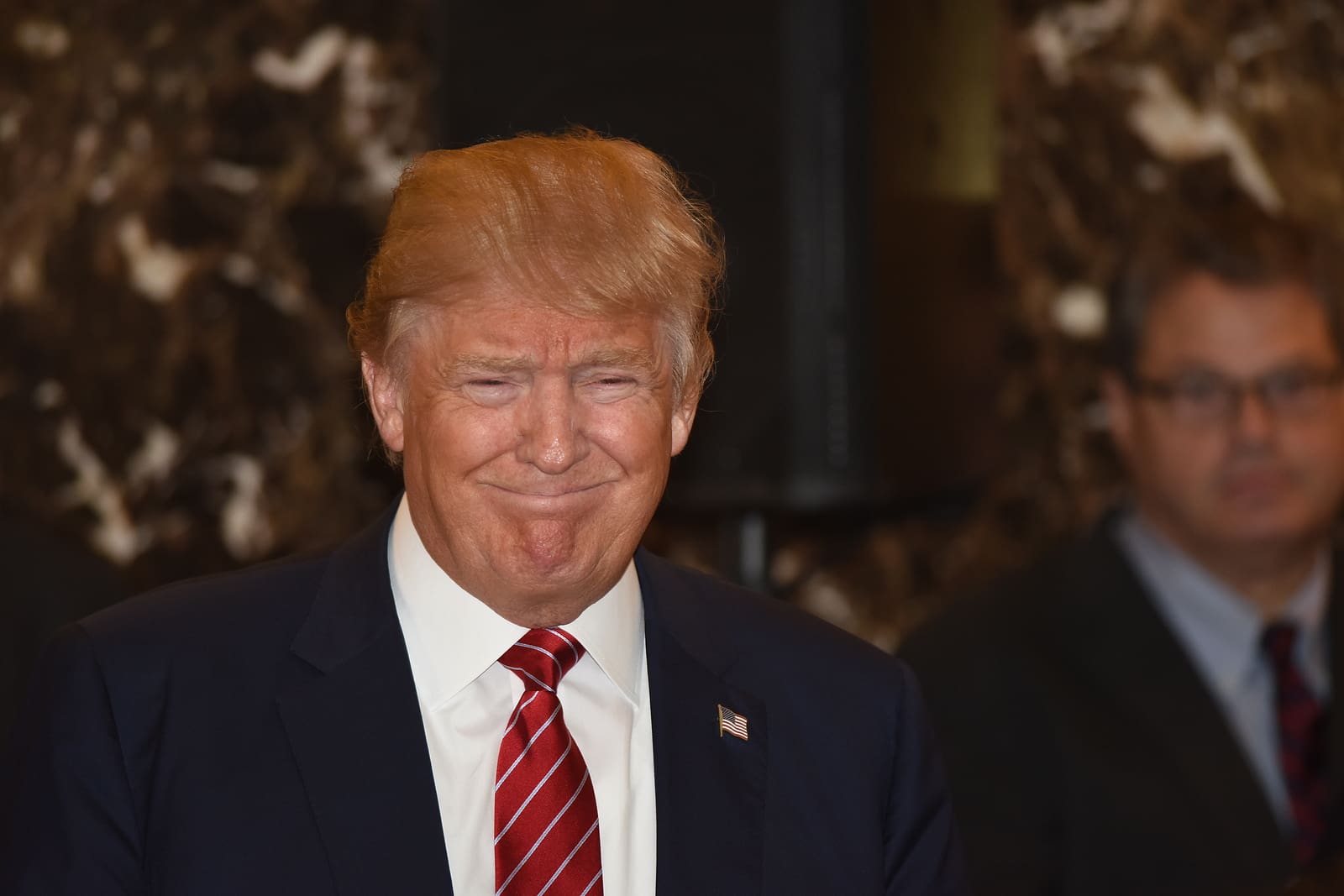
Nobel Peace Prize Laureate María Corina Machado Reframes the Global Debate Over Trump and Maduro
(STL.News) As global criticism continues to swirl around the United States’ capture of Venezuelan leader Nicolás Maduro, much of the international conversation has focused on accusations that President Donald Trump “broke the law.” Emergency meetings, legal rhetoric, and heated commentary have dominated headlines across Europe, Latin America, and beyond.
Yet one critical voice has cut through the noise and complicated the narrative: María Corina Machado, the Venezuelan opposition leader who not only won her country’s democratic primary in a landslide but was later awarded the Nobel Peace Prize for her commitment to peaceful democratic change.
Her perspective, rooted in personal political experience and international recognition, forces a reassessment of claims that the U.S. action was universally condemned or detached from Venezuelan democratic legitimacy. CLICK to learn more about Maria Machado.
A Nobel Peace Prize That Changed the Conversation
Machado’s receipt of the Nobel Peace Prize elevated her from a national opposition figure to a globally recognized advocate for democracy and human rights. The award acknowledged years of nonviolent resistance, political exclusion, and sustained efforts to restore democratic governance in Venezuela.
For supporters, the prize validated what many Venezuelans already believed: that Machado represented a legitimate democratic alternative to the Maduro regime. For critics, it introduced an uncomfortable complication. A Nobel Peace Prize laureate publicly welcoming the removal of an authoritarian leader challenges the simplistic framing of the U.S. action as reckless or illegitimate.
The Nobel distinction matters because it confers moral credibility. Nobel laureates are often viewed as voices of conscience, especially in moments of political crisis. Machado’s endorsement of decisive action against Maduro cannot be dismissed as fringe opinion or partisan enthusiasm. It carries international weight.
The Election That Never Happened
The roots of Machado’s position lie in events that occurred long before U.S. forces moved against Maduro.
In October 2023, Venezuela’s opposition held a primary election to select a unified challenger to Nicolás Maduro. The result was decisive. Machado won approximately 92-93 percent of the vote, one of the most overwhelming victories in Venezuelan opposition history.
That result was not symbolic. It demonstrated broad, measurable support among voters seeking political change. But Machado never appeared on the national ballot.
Maduro-aligned institutions upheld a political ban that barred her from holding public office. Courts controlled by the ruling system reinforced the decision. The outcome was clear: the candidate chosen by an overwhelming majority of opposition voters was prevented from running.
Machado did not lose an election. She was removed from it. This is very important for understanding the actions taken by the U.S.
When Democratic Paths Are Closed
This distinction is central to understanding Machado’s later support for U.S. action. In functioning democracies, political defeat confers legitimacy. In Venezuela’s case, legitimacy was undermined when administrative and judicial maneuvers nullified electoral outcomes.
From Machado’s perspective, Venezuela’s democratic avenues had been exhausted. Elections were constrained. Courts were politicized. Negotiations yielded no structural change. Political bans replaced ballots.
It was within this context that she welcomed external pressure capable of altering what she described as a closed and coercive system.
Why Machado Supported the U.S. Action
When the United States captured Maduro, Machado’s response stood in contrast to many international leaders. Rather than condemning the move, she welcomed it as a turning point.
Her reasoning was straightforward: Maduro no longer governed through democratic consent but through control of institutions and the use of force. In her view, sovereignty had already been broken when Venezuelans were denied the right to choose their leaders.
Machado’s support was not framed as an endorsement of foreign domination, but as relief that an entrenched system of repression had been disrupted. As a Nobel Peace Prize laureate, her position carried an implicit argument: peace is inseparable from democracy, and democracy had already been extinguished under Maduro.
The Accusations Against Trump
Much of the international backlash has been directed at Donald Trump, with critics asserting that the capture of Maduro violated international law and norms of sovereignty. The phrase “broke the law” has been repeated frequently, often without clarity about which law applies or who would enforce it.
These claims exist primarily in the realm of political rhetoric. International law functions differently from domestic criminal law. It relies on consensus, diplomacy, and voluntary compliance rather than arrest warrants. There is no global police force, no automatic jurisdiction over U.S. presidents, and no active legal process aimed at prosecution.
No court has ruled Trump’s action unlawful. No prosecutor has filed charges. No enforcement body has asserted jurisdiction.
What exists instead is a political dispute framed in legal language.
Political Theater Versus Legal Reality
The gap between rhetoric and reality has led many analysts to describe the reaction as political theater. Dramatic language dominates headlines, but it is not matched by legal follow-through.
This pattern is not new. Similar accusations were leveled against previous U.S. presidents over military actions in Iraq, Libya, and elsewhere. In each case, international condemnation was loud, but criminal prosecutions never materialized.
The Trump-Maduro controversy follows the same trajectory: intense criticism, moral framing, and symbolic gestures without judicial consequence.
Why Machado’s Nobel Status Matters
Machado’s Nobel Peace Prize complicates the narrative in several ways.
First, it challenges the idea that the U.S. acted against the interests of Venezuelans. A globally recognized advocate for Venezuelan democracy supports the outcome, citing the systematic dismantling of electoral choice.
Second, it reframes the debate from abstract sovereignty to concrete democratic denial. Machado’s experience is not theoretical. She won a landslide vote and was barred from office. That reality predates any U.S. military involvement.
Third, it highlights the selective focus of international outrage. While Trump’s actions dominate coverage, the removal of a Nobel Peace Prize laureate from an election by judicial decree receives far less sustained attention.
Democracy Interrupted Before Force Was Used
One of the most overlooked aspects of the controversy is timing. Venezuela’s democratic process did not collapse because of U.S. action. It collapsed when a candidate supported by more than 90 percent of opposition voters was prevented from running.
By the time U.S. forces acted, the electoral path had already been closed. The choice was no longer between candidates but between permanence and disruption.
Machado chose disruption.
Therefore, it appears that while many claim that President Trump’s action is a threat to democracy, you have a leader, a recipient of the Nobel Peace Prize, saying that President Trump and his actions are liberating Venezuela, which, in retrospect, is protecting democracy.
A Polarizing but Credible Voice
Machado remains a polarizing figure. Some critics argue that her support for the use of force contradicts the spirit of the Nobel Peace Prize. Others contend that her alignment with Trump undermines traditional diplomatic approaches.
Yet Nobel recognition has never required universal approval. It has often honored figures who challenged entrenched systems under difficult conditions. Machado’s award reflects an assessment that her struggle for democratic rights carried global significance.
Her stance does not end the debate, but it demands inclusion in it.
The Larger Question of Legitimacy
At its core, the debate surrounding Trump and Maduro is less about law than legitimacy. International critics emphasize norms and process. Machado emphasizes outcomes and democratic reality.
The legal accusations against Trump lack the mechanisms necessary for enforcement. The democratic exclusion Machado experienced, by contrast, was immediate and tangible.
This contrast explains why claims of criminality resonate politically but fail legally, while Machado’s support resonates morally despite controversy.
Conclusion
The global reaction to the U.S. capture of Nicolás Maduro has been shaped by powerful rhetoric, dramatic language, and political positioning. But beneath the theater lies a critical fact: a Nobel Peace Prize laureate who won her country’s democratic primary by an overwhelming margin was removed from the ballot and denied the chance to govern.
María Corina Machado’s Nobel Prize amplifies her credibility and reshapes the debate. Her support for decisive action against Maduro reflects not recklessness, but the conclusion of someone who exhausted every peaceful and democratic avenue available.
Claims that President Trump “broke the law” remain political assertions, not judicial findings. No court has ruled. No charges exist. No enforcement mechanism is in motion.
What remains is a global argument about power, democracy, and legitimacy — and a reminder that Venezuela’s democratic breakdown began not with foreign intervention, but when the winner was never allowed to run.
© 2025 STL.News/St. Louis Media, LLC. All Rights Reserved. Content may not be republished or redistributed without express written approval. Portions or all of our content may have been created with the assistance of AI technologies, like Gemini or ChatGPT, and are reviewed by our human editorial team. For the latest news, head to STL.News.



