


ISLAMABAD, June 13 (STL.News) – The United States and Iran have reached a preliminary agreement to end their ongoing conflict, with an initial deal expected to be signed within 24 hours. The announcement came from Pakistani Prime Minister Shehbaz Sharif on Saturday, following more than three months of hostilities.
Pakistan, which has served as a key mediator in the negotiations, is currently finalizing arrangements for an electronic signing ceremony. This development marks a significant shift in the relationship between the two nations, setting the stage for further discussions at the technical level in the coming week.
Conflict Origins and Escalation
The military confrontation began on February 28 following joint strikes by the United States and Israel on Iranian territory. In response, Iran targeted U.S. military assets in the Gulf, while Hezbollah militants in Lebanon engaged Israeli forces, leading to a broader regional conflict.
The fighting has resulted in thousands of casualties, predominantly in Iran and Lebanon. The intensity of the conflict also caused significant volatility in global energy markets, heightening the urgency for a diplomatic resolution.
Terms of the Proposed Agreement
Negotiations have centered on a memorandum of understanding aimed at stabilizing the region. Sources close to the talks indicated that the agreement includes the reopening of the Strait of Hormuz and the removal of the U.S. naval blockade on Iranian ports.
Draft terms shared by multiple sources suggest the U.S. would release billions of dollars in frozen Iranian assets and waive sanctions on Iranian oil exports. In exchange, the proposed deal requires Iran to ensure the passage of commercial traffic through the vital waterway.
Nuclear Program Negotiations
The issue of Iran’s nuclear program remains a central, albeit complex, component of the potential agreement. While the U.S. administration intends for the deal to result in the eventual dismantling of Iran’s nuclear capabilities, including the destruction and removal of highly enriched uranium, Iran has signaled a different stance.
Iranian Foreign Minister Abbas Araqchi stated on Friday that his country intends to retain its uranium, albeit in a diluted form. According to sources, Iran has not accepted the U.S. demand for a full dismantling of its nuclear infrastructure. The memorandum of understanding outlines a 60-day period for separate, dedicated negotiations specifically to address the nuclear program.
Diplomatic Tensions Persist
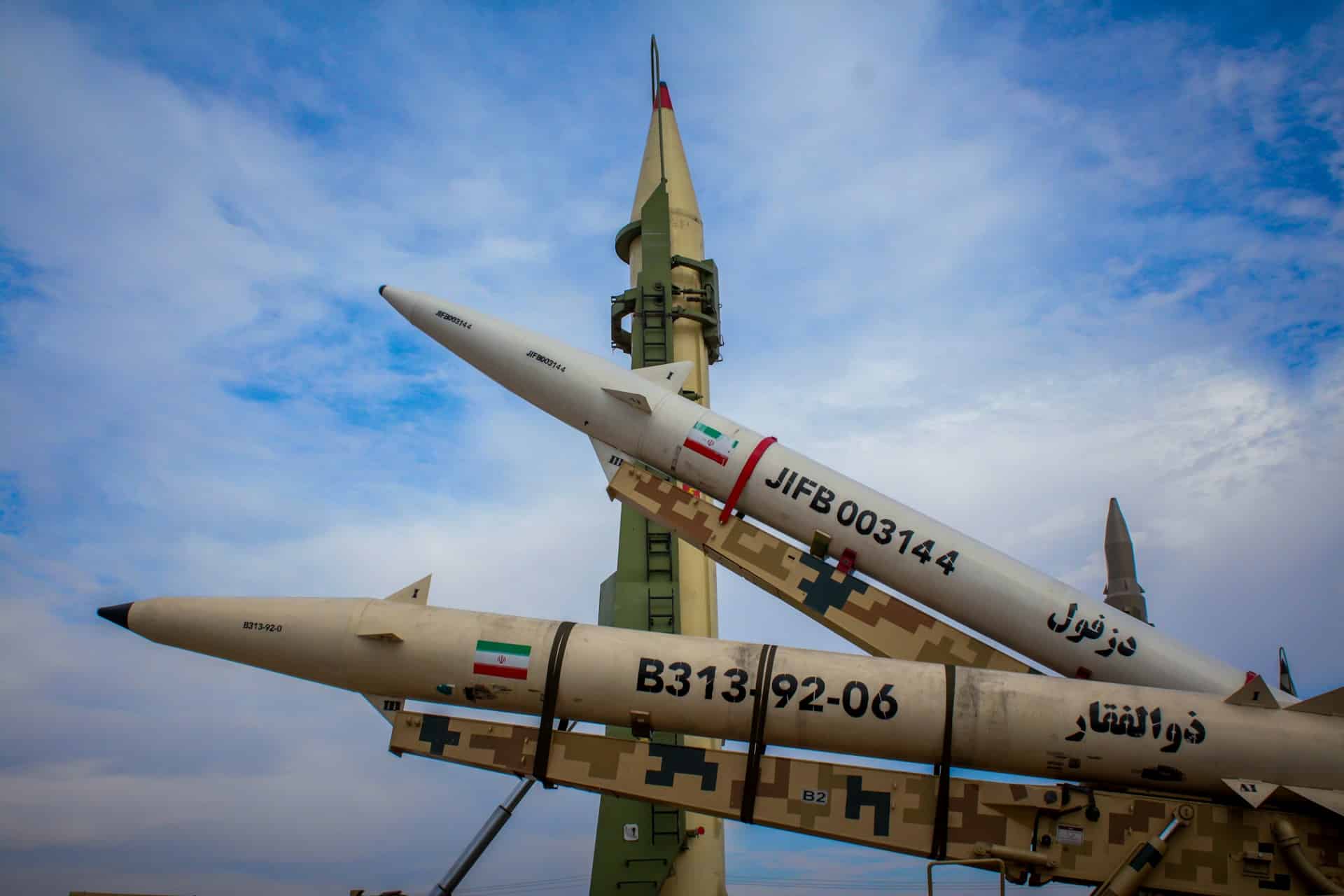
Despite the progress toward a signed agreement, tensions remain evident on the ground. A source familiar with the situation reported that U.S. forces shot down several Iranian one-way attack drones near the Strait of Hormuz on Friday.
The U.S. Central Command confirmed the incident, stating that the drones posed a threat to commercial shipping, though they emphasized that the waterway remains open. The U.S. administration maintains that the emerging deal aligns with their core objectives, though discrepancies persist regarding potential war reparations and limits on Iran’s missile program.
Araqchi framed the current position of his country during recent television remarks, stating, “Iran is the winner of the war with the U.S.”
As the 24-hour window for the signing approaches, international observers are monitoring whether the remaining points of contention will be resolved or if they will continue to strain the newly formed framework.



