


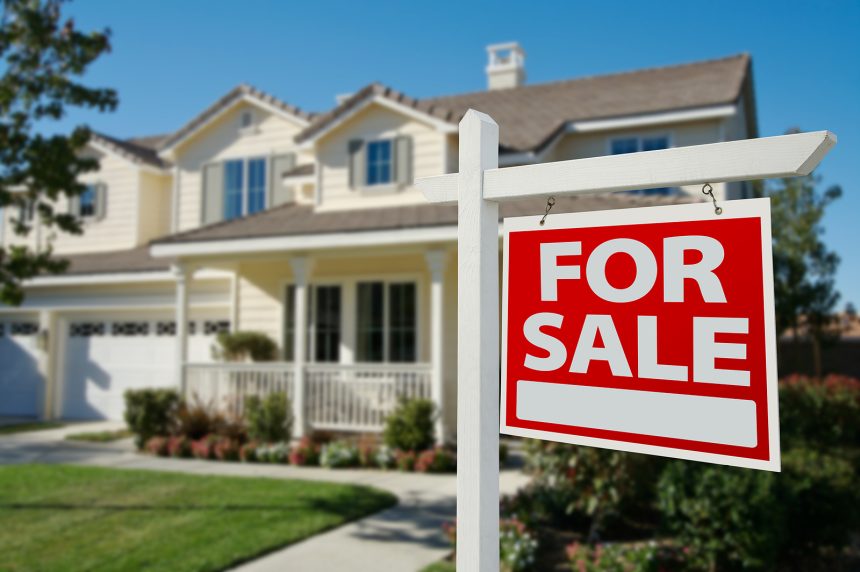
A recent market report reveals that U.S. home foreclosure filings reached 227,548 in the first half of 2026, marking a 21% year-over-year increase. While the numbers indicate growing financial strain among certain homeowners due to rising property taxes, high insurance premiums, and elevated cost-of-living expenses, real estate analysts emphasize this shift represents a normalization toward pre-pandemic baseline patterns rather than a structural housing market collapse.
ST. LOUIS, MO July 19, 2026 (STL.News) — The U.S. housing market is experiencing a significant shift as home foreclosures continue a steady upward trajectory through the first six months of the year. According to the Mid-Year 2026 U.S. Foreclosure Market Report released by property data provider ATTOM, a total of 227,548 U.S. properties faced foreclosure filings—including default notices, scheduled auctions, or bank repossessions—during the first half of 2026.
This figure represents a 21% increase over the same period in 2025 and a 28% increase over the first half of 2024. Nationwide, approximately one in every 632 housing units posted a foreclosure filing during this six-month window.
U.S Home Foreclosures – A Market “Normalization” Process
Despite the sharp double-digit percentage increases, real estate economists urge caution against drawing direct parallels to the 2008 housing market crash.
“The broader picture remains one of a market that is gradually returning to more typical patterns,” stated Rob Barber, CEO of ATTOM.
During the pandemic, federal moratoriums, strict loan modification rules, and robust mortgage forbearance programs artificially suppressed foreclosure actions. The current uptick largely reflects lenders working through a backlog of distressed inventory now that those safety nets have entirely expired. While foreclosure starts rose 18% annually to 164,566 properties, bank repossessions (REOs) reached 27,983—a 33% annual increase, but 26% lower than the volume recorded during the same period in 2020.
Furthermore, the average timeline to complete a foreclosure dropped to 563 days in the second quarter of 2026, marking the fastest turnaround time observed since 2013.
The Undercurrents: Rising Ownership Costs
While the macro perspective highlights structural normalization, the data also highlights real pockets of financial distress. Homeowners are grappling with a “house-rich, cash-poor” dynamic. Even those who successfully locked in historically low fixed mortgage rates are being pinched by secondary, variable homeownership expenses.
Surging homeowners insurance premiums, elevated property tax assessments, rising homeowners association (HOA) fees, and persistent broader inflation are eroding household safety margins. In response, pre-foreclosure short sales have re-emerged as a proactive exit ramp, jumping 16% in early 2026 as distressed owners attempt to leverage their existing home equity before facing bank repossession.
Regional Variances
Foreclosure pressures are not distributed uniformly across the country. The mid-year data highlights distinct geographic concentrations:
- Highest Overall Rates: Florida (0.27% of housing units), South Carolina (0.26%), Indiana (0.25%), Delaware (0.25%), and Illinois (0.23%) registered the highest per-capita foreclosure rates in the nation.
- Fastest Accelerating Markets: Among states with at least 500 total filings, the sharpest annual accelerations occurred in Idaho (up 59%), Colorado (up 57%), and Georgia (up 52%).
- Volume Leaders: By sheer numbers, Texas led the nation with 20,739 foreclosure starts and 3,322 completed bank repossessions, followed closely by California and Florida.
Outlook for the Real Estate Sector
A wholesale collapse driven by liquidations remains highly unlikely because the vast majority of modern American homeowners still possess historic amounts of home equity. This equity cushion serves as a vital buffer, allowing most financially strained households to sell their properties through traditional channels rather than defaulting entirely.
Moving through the latter half of 2026, industry experts anticipate a continued, gradual rise in foreclosure filings back toward historical baselines as the market recalibrates against higher borrowing costs and broader economic cooling.



