


EVIAN-LES-BAINS, France, June 16 (STL.News) – President Donald Trump joined global leaders on Monday at the Group of Seven summit in a lakeside resort, where he touted a preliminary deal to end the conflict with Iran. The United States President indicated that with a memorandum of understanding signed regarding the Gulf, he would now pivot his diplomatic efforts toward bringing closure to the fighting in Ukraine and Lebanon.
This arrival at the G7 summit in Evian-les-Bains occurs as international leaders express growing wariness regarding United States foreign policy. While the potential resolution of the Iran conflict provided a moment of relief, the atmosphere remained tense due to fresh tariff threats directed at France and ongoing disagreements concerning immigration policy.
During remarks alongside French President Emmanuel Macron, Trump confirmed that a memorandum of understanding aimed at ending the war in the Gulf had been signed by the United States and Iran. Although the specific text of the agreement remains unreleased, Trump noted that commercial ships are already traversing the Strait of Hormuz toll-free, signaling a de-escalation in the vital oil and gas shipping route.
Diplomatic Shift Toward Eastern Europe
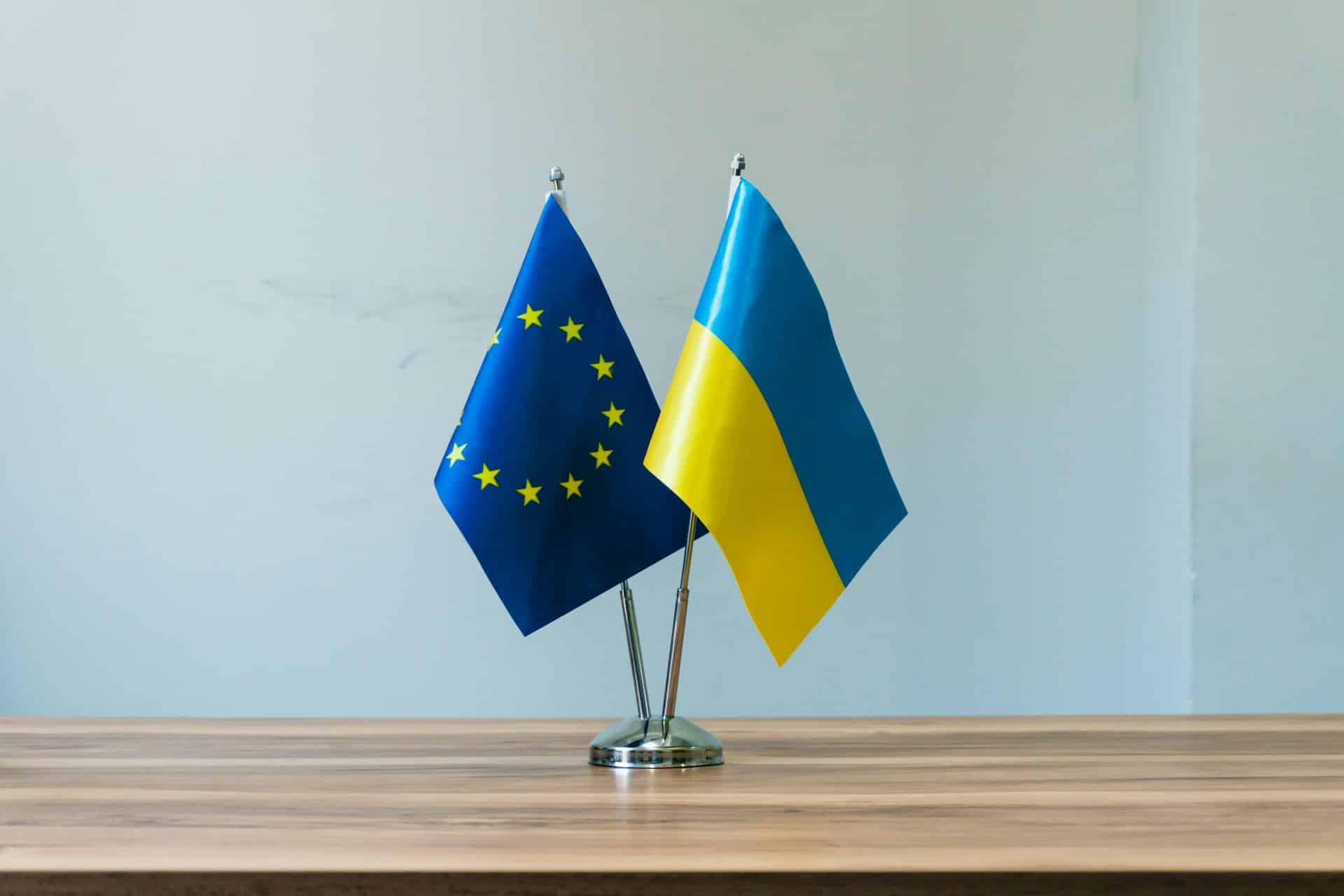
With the Iran situation appearing stabilized, the administration is turning its attention to the four-year-old conflict between Ukraine and Russia. Trump expressed optimism about the possibility of a breakthrough, citing recent high-level communications with the involved parties.
“We had a very good conversation yesterday with President Zelenskiy and President Putin, and I think maybe we can do something there. I really do. I think they’re both open to it,” Trump said.
This optimism faces significant hurdles. Ukrainian President Volodymyr Zelenskiy is scheduled to attend a working session with Trump during the summit. Ukraine continues to seek increased military funding and support from its allies to counter persistent attacks on Kyiv, even as Russian territorial advances have slowed in recent months.
While Zelenskiy confirmed he offered to meet Russian President Vladimir Putin at the summit for direct talks, the Russian leader reportedly declined the invitation. The challenge for the Ukrainian delegation remains securing long-term American support while Trump prioritizes domestic political concerns and the fallout from Middle Eastern instability.
Tensions Over Trade and Immigration
The broader G7 agenda includes addressing global economic imbalances, securing critical mineral supply chains, and establishing frameworks for artificial intelligence. However, the summit is overshadowed by strained relations between the United States and its European partners.
Before departing for France, Trump signaled a potential trade conflict by informing the New York Post that he would have no choice but to apply 100 percent tariffs on French wine unless Paris removes its digital tax on American technology firms. French officials have remained firm in response, with Macron stating that trade barriers between G7 nations are counterproductive.
The relationship is further complicated by Trump’s rhetoric on migration. In a social media post published upon his arrival, the President warned that importing individuals from developing nations could destabilize domestic infrastructure, a sentiment that has frequently clashed with the views of centrist European leaders.
Despite these frictions, Macron has attempted to maintain a diplomatic bridge, inviting Trump to a formal dinner at the Palace of Versailles to commemorate the 250th anniversary of American independence. This gesture underscores the delicate balance G7 leaders must maintain as they navigate a volatile period in transatlantic relations while attempting to address the urgent crises in Ukraine and the Middle East.



