

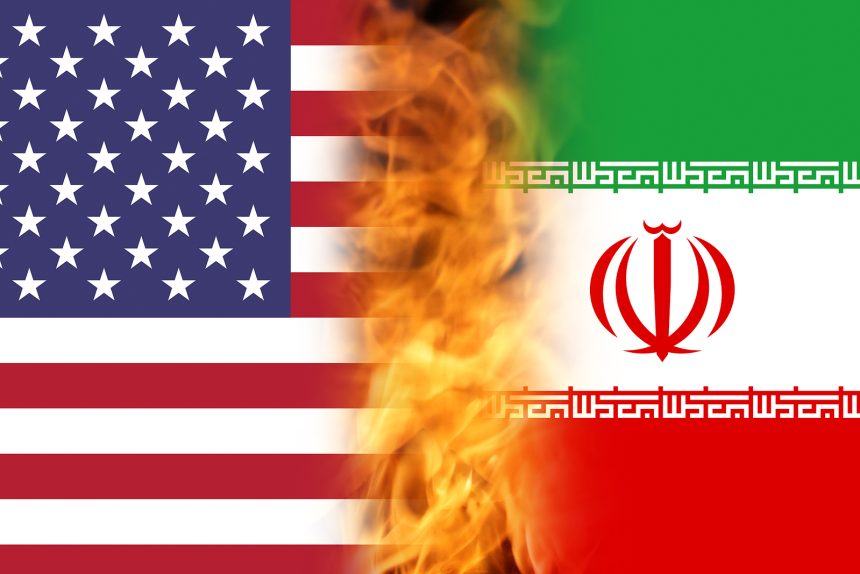
The U.S. and Iran appear closer to a possible framework agreement to end the war, but major issues remain unresolved. Oil prices fell as traders reacted to hopes that a deal could reduce supply risks tied to the Strait of Hormuz, one of the world’s most important oil-shipping routes.
U.S. and Iran Move Closer to Possible Framework Agreement
May 24, 2026 (STL.News) The United States and Iran appear to be moving closer to a possible framework agreement that could help end the nearly three-month-old war. Major details remain unresolved, but recent statements from U.S., Iranian, and regional officials have raised cautious expectations that a diplomatic path may be forming.
President Donald Trump said an agreement had been “largely negotiated” and that final details were still being discussed. He later cautioned negotiators not to rush, saying, “Time is on our side.”
Strait of Hormuz Remains Central to the Talks
The Strait of Hormuz remains one of the most important issues in the negotiations. The narrow waterway is a critical route for oil and liquefied natural gas shipments moving from the Persian Gulf to global markets.
Trump said the proposed agreement would reopen the strait. Iran’s Fars news agency pushed back, saying the waterway would remain under Iranian governance and calling Trump’s description “inconsistent with reality.”
That disagreement has kept energy traders cautious. A clear reopening of the Strait of Hormuz could reduce fears of supply disruption, while continued restrictions or uncertainty could keep oil markets volatile.
Oil Prices Fall on Hopes for Diplomatic Progress
Oil prices fell sharply as traders reacted to reports of progress in the talks. Brent crude dropped 4.6% to $98.83 a barrel, while U.S. West Texas Intermediate fell 4.7% to $92.03 a barrel in early trading. Both benchmarks reached their lowest levels since May 7.
The decline reflects a reduction in the geopolitical risk premium that had been built into crude prices during the conflict. When traders believe oil supplies could be disrupted, prices usually rise. When diplomatic progress appears possible, that extra risk premium can quickly come out of the market.
Why the Iran War Matters to Global Oil Markets
The Iran conflict matters to oil markets because the Persian Gulf remains one of the world’s most important energy-producing regions. Any threat to shipping through the Strait of Hormuz can affect expectations for global supply, tanker traffic, insurance costs, refinery planning, and fuel prices.
Even if oil production itself has not changed, the possibility of future disruption can move prices. Markets often react not only to current supply, but also to what traders believe could happen next.
Nuclear Talks Remain a Major Obstacle
U.S. Secretary of State Marco Rubio said there had been “significant progress” on the Strait of Hormuz issue, but not “final progress.” Rubio also said Iran must never possess a nuclear weapon, underscoring that Iran’s nuclear program remains one of the most difficult issues in the negotiations.
Iranian Foreign Ministry spokesman Esmaeil Baghaei acknowledged movement toward rapprochement with Washington, but said that did not guarantee agreement on the most sensitive issues. Baghaei said the immediate goal is to draft a memorandum of understanding that would create a framework for more detailed negotiations over the next 30 to 60 days.
Pakistan Plays Mediation Role
Pakistan has played a mediation role in the talks. Prime Minister Shehbaz Sharif said another round of U.S.-Iran discussions could happen “very soon.”
Iranian President Masoud Peeshkian said that no agreement with the United States would be finalized without the approval of Supreme Leader Ayatollah Khamenei. That means any possible deal would still need high-level approval in Tehran before becoming final.
Lebanon and Hezbollah Add Regional Pressure
The potential agreement could also affect Lebanon, where fighting involving Israel and Hezbollah has continued despite ceasefire efforts. Hezbollah leader Naim Qassem said he hoped any Iran-U.S. agreement would include Lebanon and bring a full cessation of hostilities.
A broader regional de-escalation could further ease pressure on oil markets. Continued fighting, however, could keep geopolitical risk elevated even if U.S.-Iran talks advance.
Will Gasoline Prices Fall?
Gasoline prices may not fall immediately, even if crude oil prices continue to decline. Retail fuel prices usually move more slowly than crude markets because they are also affected by refining capacity, transportation costs, regional inventories, taxes, and seasonal demand.
Still, if crude prices remain lower for an extended period, drivers could eventually see some relief at the pump. The timing and size of any decline would depend on how long the market believes supply risks have eased.
Outlook: Oil Markets Remain Sensitive to Iran War News
For now, the situation remains uncertain. Washington is signaling optimism, Tehran is warning that disagreements remain, and oil traders are watching whether a preliminary framework can become a durable peace agreement.
Until the Strait of Hormuz issue is resolved, energy markets are likely to remain highly sensitive to every new statement from U.S., Iranian, and regional officials.
FAQ:
What is the latest Iran war update?
The United States and Iran appear closer to a possible framework agreement, but major issues remain unresolved, including the Strait of Hormuz, Iran’s nuclear program, and broader regional tensions.
Why did oil prices fall after the Iran war update?
Oil prices fell because traders reacted to signs that a possible U.S.-Iran framework agreement could reduce the risk of supply disruptions in the Persian Gulf.
Why is the Strait of Hormuz important?
The Strait of Hormuz is one of the world’s most important oil-shipping routes. Any disruption there can affect global oil supply expectations and increase volatility in energy markets.
Will gas prices go down because of the Iran talks?
Gas prices may not fall immediately. Retail fuel prices are affected by crude oil prices, refining costs, transportation, taxes, inventories, and seasonal demand.
Could oil prices rise again?
Yes. Oil prices could rise again if negotiations fail, fighting escalates, or shipping through the Strait of Hormuz remains restricted.
More General News stories published on STL.News:
- THE GEOMETRY OF LEVERAGE: Iran Offers Nuclear Guarantees on the Eve of a Historic Ceasefire
- ARCHITECTURE OF ACCOUNTABILITY: How U.S. Economic and Judicial Strategy is Neutralizing the Cuban Regime
- Trump Administration Shifts Green Card Processing Abroad
- US and Iran Continue Diplomatic Talks as Military Presence Remains Elevated
- Suspect Dies After Shooting Near White House Security Checkpoint
© 2026 – All Rights Reserved – St. Louis Media, LLC d.b.a. STL.News – No content may be copied, republished, distributed, or used in any form without prior written permission. Unauthorized use may result in legal action. Some content may be created with AI assistance and is reviewed by our editorial team. For official updates, visit STL.News.