Historic Quebec Island Deer Cull Planned by Parks Canada
Parks Canada to Cull Deer on Île aux Coudres for Ecological Balance
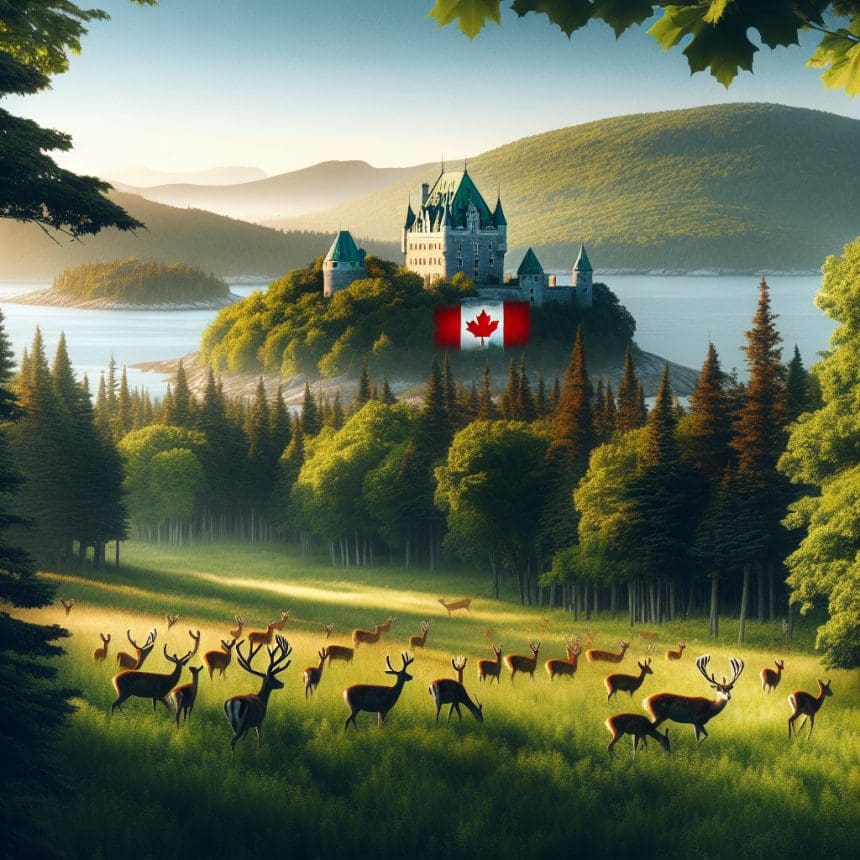
In a decisive move to restore ecological balance, Parks Canada has announced plans to cull dozens of white-tailed deer on Île aux Coudres, a historic island in Quebec, starting this fall. The cull aims to address the increasing deer population, which has led to significant ecological pressures on the island’s vegetation and wildlife. The decision follows years of monitoring and public consultation, signaling a commitment to sustainable environmental management in the region.
The picturesque Île aux Coudres, located in the St. Lawrence River, has become a popular destination for tourists and residents alike. Known for its charming landscapes, rich history, and vibrant flora, the island is home to a unique ecosystem that has suffered under the rising deer population. Parks Canada, responsible for the conservation of national parks and historic sites, acknowledges that the rapid increase of deer has posed threats to native plant species, particularly young trees and shrubs.
Understanding the Deer Population Dynamics
White-tailed deer are a native species in eastern Canada, and while they play a crucial role in their ecosystem, their unchecked growth can lead to imbalances. The current deer population on Île aux Coudres has surged to reported numbers that exceed 150 individuals, a level that local ecologists warn is unsustainable.

The overpopulation of deer has significant environmental implications, as these animals feed heavily on the island’s vegetation. Studies indicate that an overabundance of deer can prevent the regeneration of critical plant species, leading to habitat destruction for other wildlife and an overall decline in biodiversity. Parks Canada’s approach involves carefully planned culling to simultaneously protect and restore the island’s natural environment while ensuring the community remains supportive and informed throughout the process.
Community Involvement and Reaction
Parks Canada engaged extensively with local residents, stakeholders, and conservation groups prior to reaching this decision. Meetings and consultations offered community members the opportunity to voice their opinions and concerns. “We understand that culling deer is a sensitive issue, and we are committed to transparency and dialogue,” stated a representative from Parks Canada.
Feedback from the community has been mixed. Some residents express relief, understanding the necessity for ecological management, while others voice apprehension about the ramifications of culling on the island’s wildlife ecosystem. Parks Canada has assured the public that all efforts will be humane and scientifically guided, prioritizing animal welfare as well as ecological balance.
Ecological Restoration Efforts
The culling initiative is part of a broader ecological restoration strategy, which includes reforestation and habitat improvement projects intended to revive the island’s struggling ecosystems. Parks Canada plans to work in partnership with local environmental groups to reintroduce native plant species that have been diminished due to overgrazing by deer.
Additionally, the agency is looking into implementing long-term population control measures, such as developing awareness campaigns about deer behavior and encouraging responsible wildlife viewing practices that can help mitigate human-deer interactions without resorting to extreme measures in the future.
The Importance of Maintaining Biodiversity
Maintaining biodiversity is critical not just for the environment, but also for the well-being of humans who interact with these ecosystems. Healthy, diverse environments support tourism, recreation, and even human health. Overpopulation of any species can disrupt these benefits, calling for proactive measures to ensure ecological stability.
Parks Canada’s endeavor on Île aux Coudres reflects a growing trend among conservation agencies worldwide that recognize the importance of managing animal populations to safeguard environmental integrity. The initiative aligns with the agency’s broader mission to create sustainable and resilient landscapes for future generations.
Conclusion
As the culling of white-tailed deer approaches, Parks Canada remains committed to its conservation goals and fostering community engagement. The agency will continue to provide updates to the public, ensuring that residents and visitors understand the importance of this measure for the future ecological health of Île aux Coudres. This project underscores the delicate balance between human activity and wildlife preservation, emphasizing that thoughtful, science-based management can lead to more sustainable environments.
As Parks Canada prepares to undertake this challenging task, the focus will remain on fostering a collaborative relationship with the community, amplifying awareness about biodiversity conservation, and securing ecological viability for years to come on this historic Quebec island.