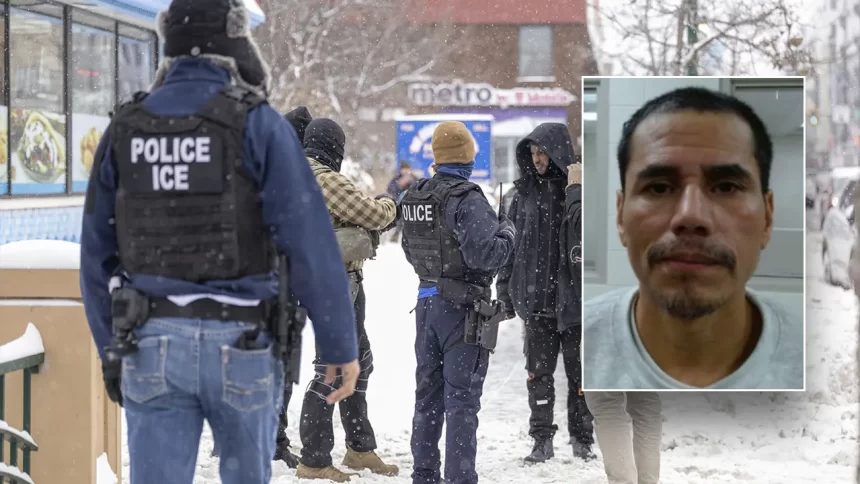
Headline: Federal Judge Orders Controversial Release of MS-13 Member
In a surprising decision on Thursday, a federal judge in Virginia ordered the release of a notorious MS-13 gang member, despite his extensive history of violent criminal activity. The ruling has sparked outrage among law enforcement officials and community members, raising concerns about public safety. The judge cited procedural issues regarding the handling of the defendant’s case as the primary reason for the ruling, emphasizing the need for justice to be fairly administered.
A Deep Dive into the Case
The defendant, identified as Miguel “El Diablo” Martinez, was arrested in 2020 following a police crackdown on gang violence in Northern Virginia. Authorities linked him to multiple crimes, including assaults and drug trafficking, which were part of a broader pattern of violence perpetrated by the MS-13 in the area. His release comes as a shock to many, especially given the gang’s notorious reputation for brutality.
In court documents, the judge acknowledged the severity of Martinez’s crimes but argued that legal missteps had undermined the prosecution’s case. The defense attorney for Martinez argued that the prolonged detention had been unfair, asserting that he had cooperated with law enforcement and posed no imminent threat to the community. This claim, however, has been met with skepticism from both prosecutors and local residents.

Community Response and Concerns
The ruling has ignited a firestorm of debate within the local community. Law enforcement leaders have raised alarms over the implications of this decision. Fairfax County Police Chief, Brian R. Moser, expressed his dismay, stating, “Releasing a known gang member without adequate oversight puts our community at risk. We are working tirelessly to combat gang violence and public safety cannot be compromised for procedural errors.”
Residents in neighborhoods frequently affected by gang-related violence have echoed these sentiments. Community activist Maria Rodriguez, who has worked with victims of gang violence for over a decade, lamented, “This is not just a legal issue; it is a matter of life and death for many. We are worried that this decision sends the wrong message about our commitment to safety.”
Legal Implications
The case raises complex legal questions about the intersection of criminal law, immigration policy, and public safety. Legal experts argue that the ruling highlights the challenges courts face when balancing individual rights against the potential risks posed by released offenders. Professor Jane Hall, a criminal law expert at George Mason University, noted, “The legal system must ensure that justice is served, but it also has to be aware of the implications of its rulings on public safety.”
Federal immigration enforcement has also been complicated by this case. Martinez, originally from El Salvador, has previously dodged deportation due to his legal status. Advocacy groups, however, have defended the rights of individuals like Martinez, claiming that systemic issues often push individuals into gang affiliations.
The Future of Gang Violence in Northern Virginia
As local officials grapple with how to respond to this latest development, the broader issue of MS-13 activity remains a pressing concern in Northern Virginia. This gang has been linked to a series of violent incidents, including murders and drug trafficking, making it a target for both local and federal authorities.
For years, law enforcement agencies have been engaged in collaborative efforts to dismantle MS-13’s influence in the region. Programs aimed at prevention and community engagement have gained traction, but as the latest ruling shows, challenges remain. It is essential for law enforcement and community leaders to work together to ensure that young people have opportunities outside gang affiliation.
The Role of the Media
Media coverage of incidents involving gangs like MS-13 often shapes public perceptions and sentiments toward both law enforcement and immigrant communities. Local news outlets have been at the forefront of reporting issues related to gang violence, but they also bear the responsibility of providing balanced coverage that reflects the complexities of such situations.
The portrayal of the MS-13 gang in the media often emphasizes its violent and criminal behavior, overshadowing the socioeconomic factors that lead many young people into gangs in the first place. Responsible journalism is crucial for fostering a more nuanced understanding of these issues.
Moving Forward
As the community processes the recent ruling, advocates for reform are emphasizing the need for a multifaceted approach to issues related to gang violence. Solutions may involve increased investment in community resources, education, and programs dedicated to youth engagement.
Advocates assert that addressing the underlying causes of gang affiliation—such as poverty, lack of opportunities, and mental health support—can lead to long-term improvements in public safety, reducing the likelihood that individuals will be drawn into violent lifestyles.
While the release of a gang member with a violent past raises immediate concerns, it also underscores the broader societal responsibilities that communities face in preventing crime and supporting rehabilitation. It remains to be seen how this situation will unfold, but it is clear that both the legal system and the community must navigate a complex terrain to ensure justice and safety for all.
Conclusion
The ruling by the federal judge represents not only a pivotal legal moment but also a wake-up call for community leaders, law enforcement agencies, and citizens alike. As they grapple with the implications of one individual’s release, they are also reminded of the larger issues surrounding gang violence and community safety. The challenge remains to balance legal due process with the need for public safety, a task that demands thoughtful action and collaboration from all parties involved.