


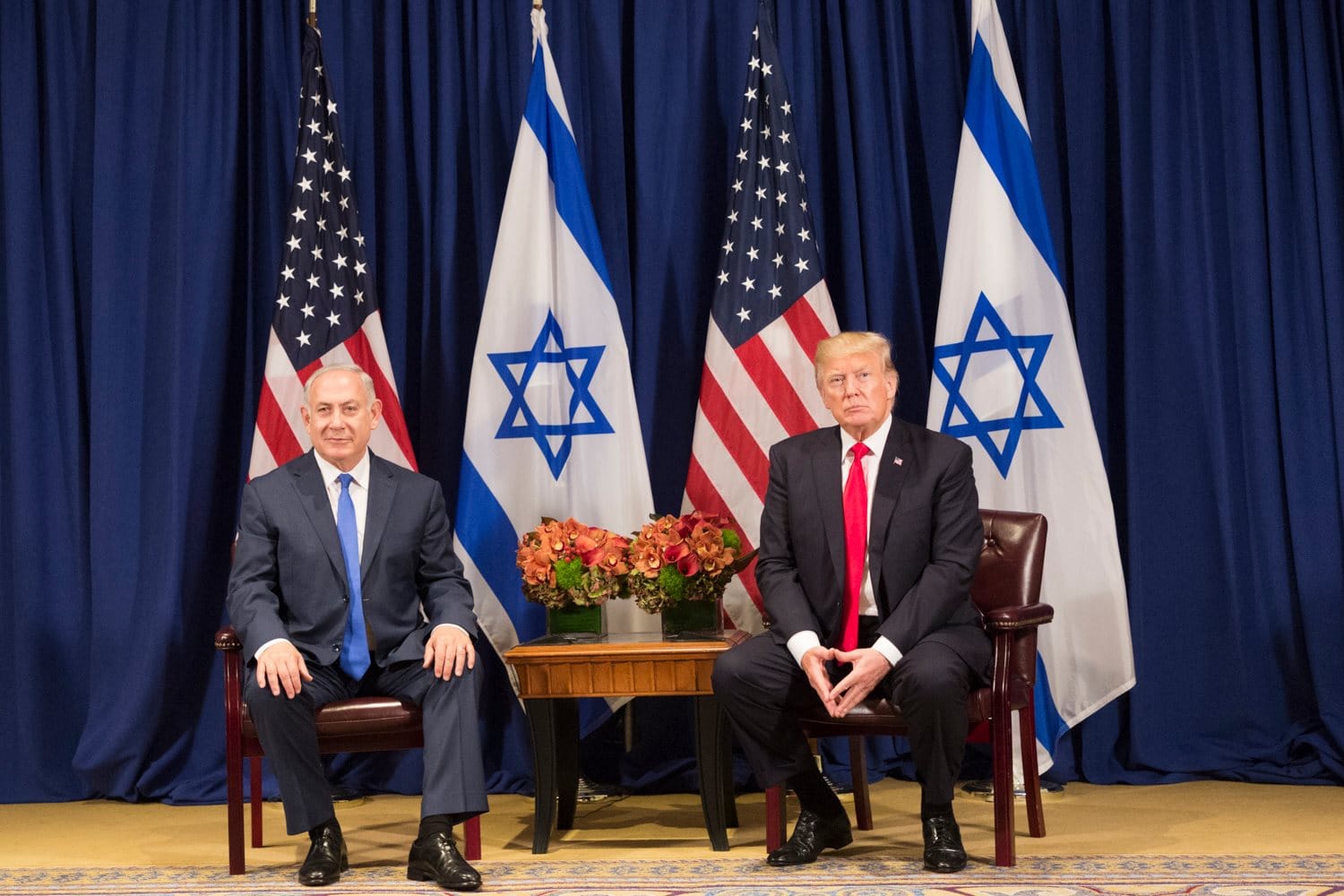
WASHINGTON, June 15 (STL.News) – Benjamin Netanyahu faces a significant political and security challenge as his long-standing alliance with Donald Trump hits a major roadblock. The Israeli prime minister, who initially banked on a joint military effort with the U.S. to weaken Iranian influence, now finds himself on a collision course with the U.S. president.
As Washington moves to extricate itself from the conflict, the diverging goals of the two leaders have left Israeli military operations in Lebanon in a precarious position.
Divergence Over Iran Deal
The friction stems from a preliminary agreement between the U.S. and Iran, which aims to halt military operations on all fronts. While the deal is intended to de-escalate regional tensions, senior Israeli officials have described the pact as detrimental to Israel’s long-term security. These officials, speaking on condition of anonymity, noted that the current leadership in Israel views the terms as fundamentally flawed, particularly regarding the lack of resolution on Iran’s nuclear program.
Washington has proposed a 60-day ceasefire period to negotiate more comprehensive terms. However, there is growing concern within the Israeli establishment that this period will be extended, effectively constraining Israel’s ability to conduct military operations while key security threats remain unaddressed. This uncertainty has created a strained atmosphere between the two nations, despite public attempts by Israeli officials to remain cautious to avoid open conflict with their primary ally.
Clashing Military Priorities
The relationship has been marked by repeated disagreements over Israel’s refusal to halt its pursuit of Hezbollah in Lebanon. Reports indicate that the frustration reached a peak when, during a private phone call, Trump reportedly criticized the prime minister for his military actions, ordering him to refrain from striking Beirut while U.S. mediation was underway. Despite these warnings, Israel continued its operations, leading to subsequent Iranian missile strikes and further public rebukes from the U.S. administration.
“If Iran attacks ?Israel due to ?the events in Lebanon, we will attack it with all our might,” Katz told reporters.
The tension persists as Israel maintains a military presence in buffer zones across Lebanon, Syria, and Gaza. Defense Minister Israel Katz confirmed that these troops would remain deployed indefinitely to counter perceived militant threats. Katz emphasized that Israel remains prepared to act with full force if provoked, regardless of the broader diplomatic efforts underway.
Political Fallout in Israel
For Netanyahu, the situation is further complicated by upcoming autumn elections. The prime minister has historically relied on his perceived ability to manage the relationship with the U.S. Republican leadership to secure voter support. However, current opinion polls show a decline in public trust, with a growing number of Israelis expressing skepticism about the U.S. president’s commitment to their security.
Political scientists suggest that this development undermines Netanyahu’s electoral narrative. The inability to align the U.S.-Iran agreement with Israeli national interests leaves him in a difficult position as he contends with domestic rivals. While analysts believe he will avoid an open confrontation with the U.S. to prevent a public diplomatic brawl, he is expected to signal that Israel reserves the right to act independently if its security is compromised.
As the memorandum of understanding between the U.S. and Iran awaits signature in Switzerland, the reality of the situation remains clear to regional observers. The agreement does not cover the curbing of Iran’s missile programs or its support for regional proxies, two core issues that were previously framed as justifications for the broader conflict. With diplomatic negotiations set to dominate the coming months, the strategic partnership between Jerusalem and Washington faces one of its most testing periods in recent history.



