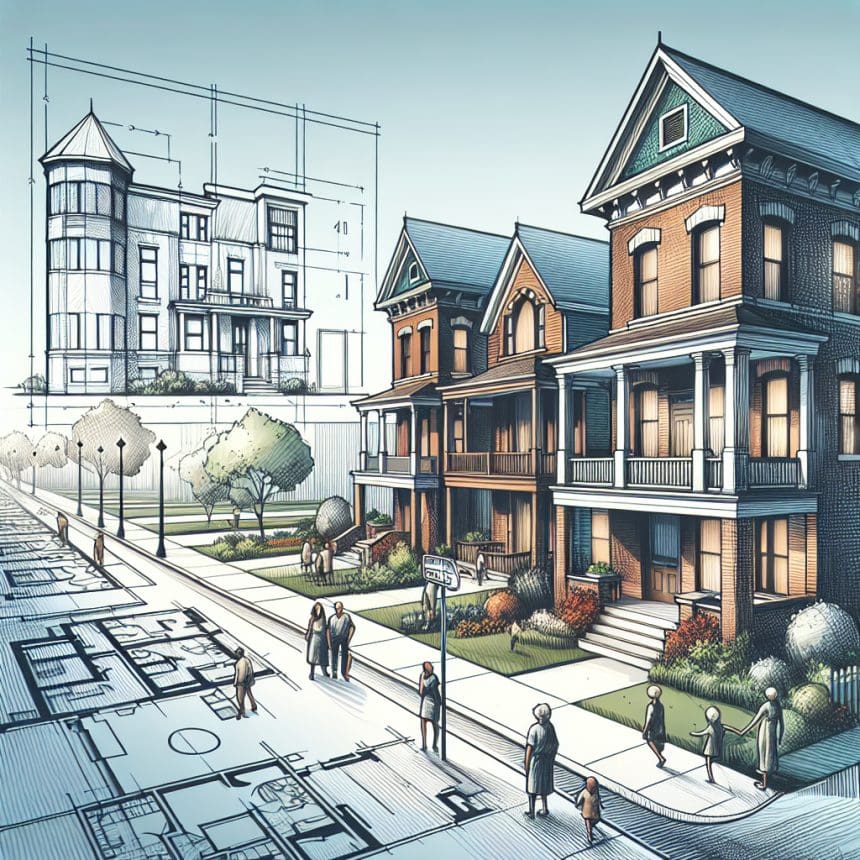
Headline: Obama Center Sparks Displacement Concerns in Woodlawn
The impending opening of the Obama Presidential Center in Woodlawn, Chicago, has raised significant concerns among local residents regarding potential displacement. Scheduled to open in 2026, the center is expected to attract thousands of visitors and could dramatically alter the neighborhood’s economic landscape. While the center aims to celebrate President Barack Obama’s legacy, many Woodlawn residents fear it could lead to rising property values and rent prices that may force long-time locals out of their homes.
As the center’s construction progresses, community members and advocates are voicing their apprehensions. "We want the center to succeed, but we need to ensure our voices are heard," says local activist and Woodlawn resident, Angela Johnson. "This neighborhood has a rich history and vibrant culture that we don’t want to lose." The Obama Center is anticipated to create jobs and stimulate economic growth; however, the accompanying threat of gentrification looms large.
The fears of displacement are not unfounded. Studies show that similar developments in urban areas often lead to increased property taxes, higher rents, and a shift in the cultural landscape. A report from the Urban Institute highlights that neighborhoods surrounding similar projects have seen dramatic increases in housing costs, which inevitably pushes out lower-income families. Many Woodlawn residents worry that the center, while a symbol of hope and progress, could become a catalyst for gentrification that erodes the community’s tightly knit fabric.

The Obama Center is envisioned as more than just a museum and library; it aims to be a hub for community engagement, offering programming on leadership, civic engagement, and other initiatives crucial for community growth. Yet, as planning progresses, many residents feel like they have been sidelined in the decision-making process. "It feels like we’re being talked over," says former Woodlawn resident Marcus Smith. "We want to be included in the planning stages, so this doesn’t just become something that benefits outsiders."
In response to these concerns, local organizations are mobilizing to ensure that community voices are integrated into the planning and development processes. Groups such as the Woodlawn Community Development Corporation (WCDC) are advocating for policies that prioritize affordable housing and protect current residents from displacement. "It’s not just about stopping gentrification; it’s about creating a sustainable future for everyone in our community," says Eric Davis, executive director of WCDC.
Additionally, the city of Chicago has begun hosting forums aimed at fostering dialogue between city officials, developers, and local residents. These forums are designed to address displacement fears, market pressures, and possible strategies to keep housing affordable. Though these discussions mark progress, many residents remain skeptical. They worry that city promises often fall short of their lofty ambitions.
The displacement fears in Woodlawn reflect broader trends taking place across many urban areas in the United States. As cities strive for revitalization, long-time residents often find themselves grappling with the unintended consequences of urban development. The Obama Center’s potential economic impact raises critical questions: Who benefits from this development? How can we balance growth with equity?
To actively counter the threat of displacement, many residents and activists are also calling for an increased focus on inclusive development. They emphasize the importance of ensuring that both new and existing residents can thrive in Woodlawn. Strategies proposed include incorporating affordable housing units into new developments, establishing rent control measures, and promoting local businesses owned by residents as opposed to outside investors.
While the Obama Center has the promise of bringing significant cultural and economic benefits to Chicago, its development must be approached carefully. The voices of those who call Woodlawn home cannot be overlooked, and their needs should be at the forefront of discussions surrounding the center’s completion and operations.
Some communities in Chicago have adopted frameworks for community benefits agreements (CBAs) that allow for local residents to negotiate terms that ensure their needs will be met in large-scale developments. These agreements can provide stipulations for affordable housing, local hiring, and business support. Advocates for the Woodlawn community are hopeful that a similar model could be adapted to ensure that local residents have a stake in the Obama Center’s future.
Individuals like Angela Johnson remain optimistic but cautious. “We all want the Obama Center to be a positive addition to our neighborhood, but it requires collaboration and commitment from both the city and developers. We won’t rest until we have the assurance that our community can thrive alongside this development.”
As the Obama Presidential Center approaches its opening date, local residents are determined to ensure that it serves as a space for inclusion rather than as a harbinger of displacement. The unfolding story of Woodlawn’s transformation underscores the need for careful planning and community-centered development that honors the voices of those who have long been the heart and soul of the neighborhood.
In conclusion, the Obama Center stands as a monumental project that has the potential to redefine community dynamics in Woodlawn and beyond. However, without conscientious strategies to mitigate the impacts of gentrification and displacement, its promise may come at the expense of those who have cultivated the rich cultural landscape that celebrated President Obama and his legacy. Future community engagement remains crucial in navigating the intersection of growth and equity in order to ensure that the Obama Center genuinely reflects the values of hope and inclusivity it aims to champion.