Headline: $400K Fundraiser for Officer O’Malley’s Legal Defense
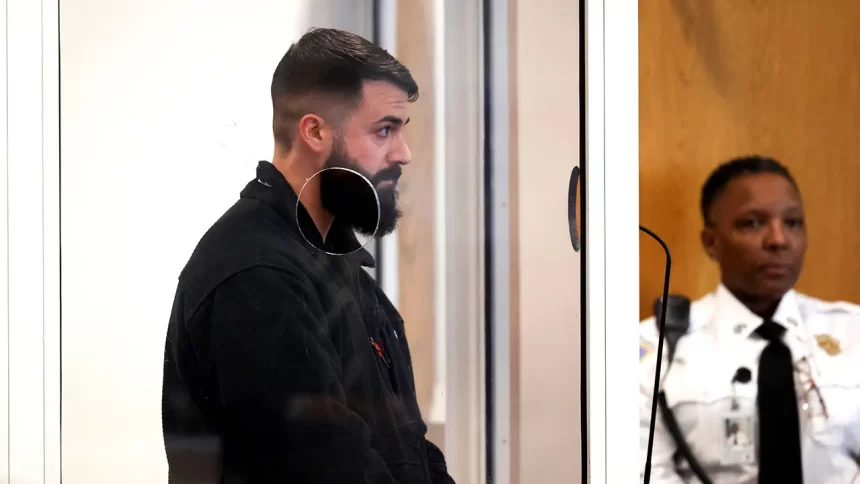
In a significant turn of events, over $400,000 has been raised for Boston police officer Nicholas O’Malley, who is facing charges related to a fatal shooting incident. The fundraising effort, initiated on Monday, October 2, 2023, through various online platforms, has sparked discussions about police accountability, community support, and the complexities of law enforcement. Given the gravity of the situation and the financial implications for O’Malley, community members and supporters have rallied to show their backing.
As the legal proceedings unfold, O’Malley has gained both support and criticism. The officer, involved in a shooting that resulted in the death of a suspect during an altercation, is now at the center of a highly publicized case that has drawn attention from both local and national news outlets. The incident, which took place on September 15, 2023, has prompted calls for transparency and justice from various advocacy groups, while also dividing public opinion on issues related to police conduct and community safety.
Supporters of Officer O’Malley have expressed concerns over the potential for a biased judicial process, prompting them to take action to ensure he has the resources needed for an effective defense. The online fundraising campaign, which has been promoted through social media and community events, has exceeded expectations, rapidly gathering financial support from individuals who argue that O’Malley deserves the presumption of innocence and fair legal representation.
While the campaign has been embraced by many, critics argue that it underscores the systemic issues surrounding law enforcement and its accountability. Activists and community organizers are voicing their concerns, stating that the public should focus on the deeper implications of police violence and its impact on marginalized communities. Though the fundraising efforts highlight a strong sentiment among supporters, they also raise important questions about the societal values attributed to those in law enforcement versus the realities faced by victims of police shootings.

O’Malley’s case is one feature in a broader dialogue about law enforcement in the United States. The officer has been with the Boston Police Department for over five years and has previously been involved in community initiatives aimed at increasing positive relations between the police and the public. However, this incident has transformed O’Malley’s career trajectory and personal life, with many suggesting that the outcome of this case could have far-reaching implications for both the officer and the department as a whole.
Legal experts watching the situation closely suggest that the substantial amount raised for O’Malley may influence future cases involving police officers. The large financial backing could also attract attention from various stakeholders, including potential law enforcement reforms and community assessment programs aimed at improving police practices.
As more details about the shooting and the subsequent charges emerge, both supporters and opponents are closely monitoring the legal proceedings. The Boston Police Department has made statements emphasizing that they are cooperating fully with the ongoing investigation. Officials have reiterated the need for transparency and noted that every officer is expected to abide by both departmental policies and legal guidelines.
The public’s response to the fundraiser has featured a mix of emotional testimony and passionate debate. Many contributions have come with messages of support for O’Malley, with donors voicing their belief in his character and dedication to his role as a first responder. Conversely, those opposed to the effort showcase the need for institutional changes to prevent future fatal incidents involving police force.
In its entirety, the response to this incident serves as a microcosm of the evolving relationship between law enforcement and the communities they serve. As the public grapples with the complexities of police work, many are calling for a balanced approach that ensures officer accountability while also recognizing the challenging environment in which they operate.
While the fundraising campaign continues to attract attention, it is clear that the outcome of this case will resonate far beyond the court’s verdict. The events surrounding the tragic shooting, subsequent charges, and ongoing support raise broader questions about the role of police in society and the responsibility they bear toward public safety and community trust.
In the coming weeks, legal professionals and civil rights activists anticipate a well-publicized trial that may set precedents related to police accountability, officer conduct, and community relations. Both sides are preparing for a legal battle that could take months to resolve, as public interest remains high and the issue of police violence remains a critical topic of national discussion.
For now, Officer Nicholas O’Malley awaits the unfolding of the legal proceedings, with mounting financial support serving as a strong indicator of the division present within the public discourse on law enforcement. The implications of this case will likely inform not only O’Malley’s future but could also influence policies and perspectives surrounding policing in America for years to come.
In summary, as support for Officer O’Malley grows through significant fundraising efforts, the discussion around police conduct, accountability, and community relations continues to evolve. This incident may serve as a pivotal moment that underscores the complexities and challenges faced by law enforcement in America today.