Trump Urges “New Leadership” in Iran as Clash With Tehran Deepens
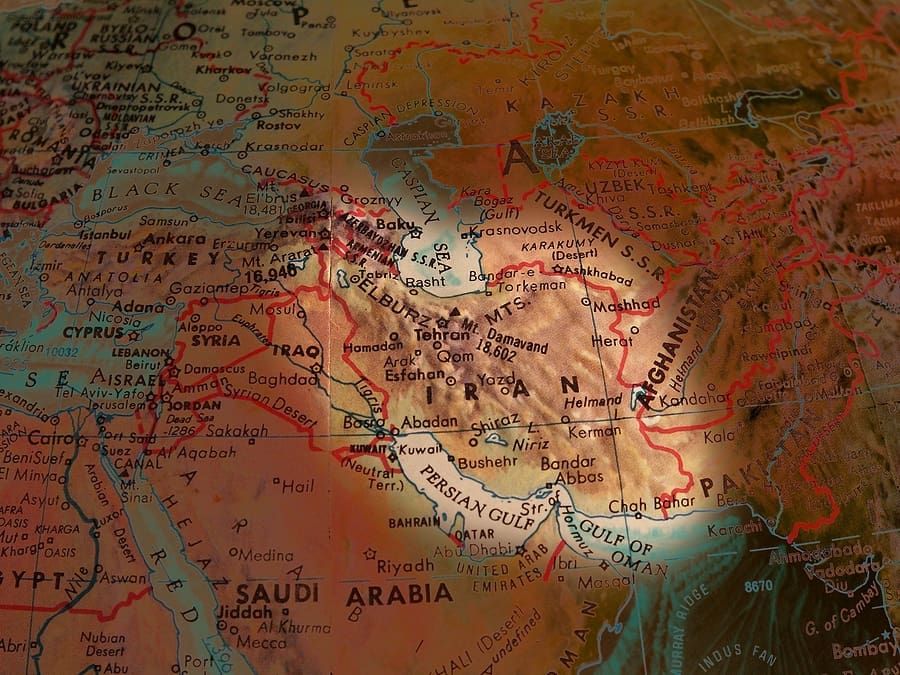
(STL.News) President Donald Trump has called for “new leadership” in Iran, sharply escalating his rhetoric toward the Iranian government amid one of the most violent periods of unrest in the country’s recent history. The remarks mark a significant intensification of criticism from Washington toward Tehran’s top leadership.
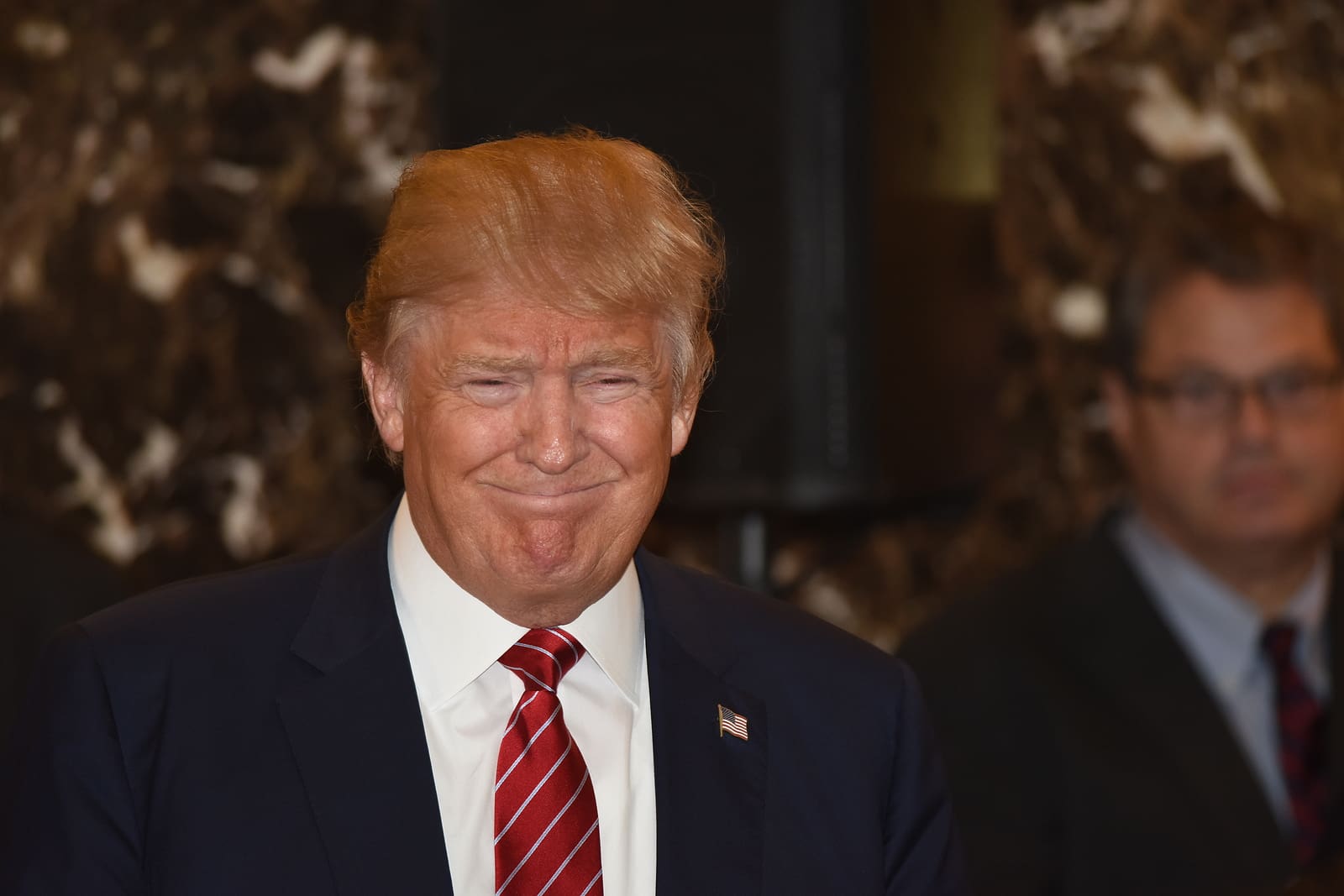
In a high-profile interview, Trump said it was “time to look for new leadership in Iran” and specifically criticized Supreme Leader Ayatollah Ali Khamenei’s long rule, which has governed the Islamic Republic for nearly four decades. Trump described Iran under Khamenei’s authority as oppressive and failing its citizens — blaming the regime for widespread suffering, economic collapse, and violent repression of dissent.
Trump’s comments came in response to statements from Khamenei during a public address, in which the Iranian leader accused President Trump of being responsible for the unrest sweeping across the country. Khamenei labeled Trump a “criminal” and alleged that U.S. actions, both direct and rhetorical, had emboldened protesters and contributed to instability.
The protests began in late December as demonstrations against deteriorating economic conditions and quickly broadened into widespread expressions of anger against the government itself. Security forces responded with a heavy crackdown, and thousands of people have been killed or detained as clashes have spread across major cities.
Trump reiterated that Iran’s leadership had lost legitimacy in the eyes of its people, arguing that continued repression would only lead to further instability. “A government that rules through fear and violence cannot endure indefinitely,” he said, urging Iranian authorities to listen to their citizens’ demands.
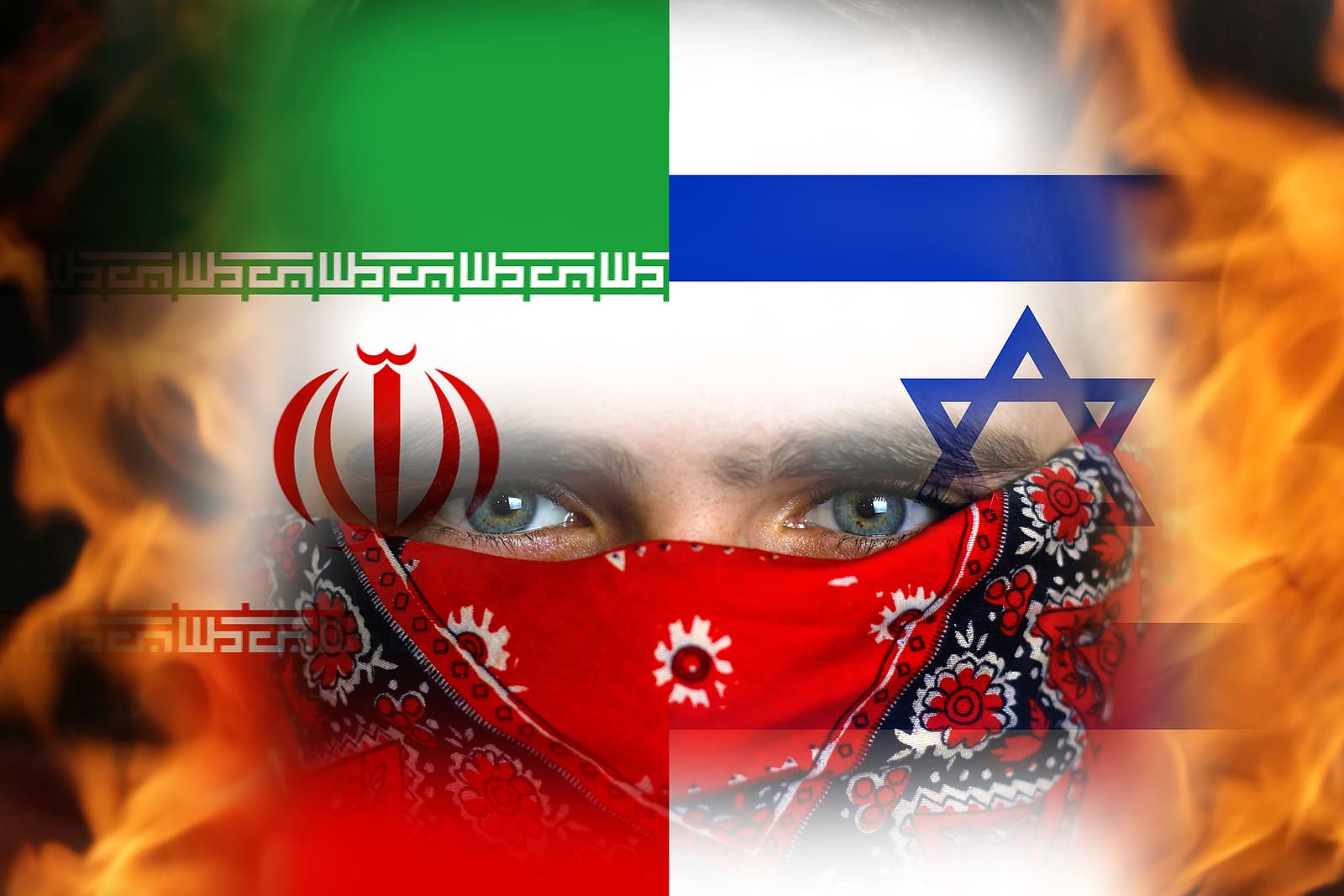
In contrast, Tehran has consistently portrayed the protests as orchestrated from the outside, accusing foreign governments — particularly the United States and Israel — of fomenting unrest. Khamenei’s comments reflected this narrative, framing the protests as part of a broader external plot rather than a domestic uprising driven by economic hardship and political frustration.
In escalating the rhetoric, Trump also took aim at Khamenei personally, referring to him as a “sick man” whose time in power should end. His call for new leadership was not accompanied by a specific policy proposal for how that transition should occur, but it underscored the U.S.’s growing willingness to openly advocate for political change in Iran.
The exchange represents one of the most direct confrontations between the two countries’ leaders in years and comes amid heightened tension in the region. Iranian officials have responded to outside criticism by pledging to defend their sovereignty and warning that any attempts to interfere in domestic affairs will have serious consequences.
Trump’s remarks have drawn a mixed reaction internationally. Some allies have expressed concern that pressing for regime change could further destabilize the region, while others have argued that Tehran’s crackdown on protesters deserves strong condemnation.
Inside Iran, the human toll of the unrest continues to unfold. Even as street protests have waned under the weight of government suppression and internet blackouts, discontent remains high among many Iranians, particularly younger generations struggling with inflation, unemployment, and restrictions on political expression.
The Iranian government has also sought to control the narrative at home by restricting communication platforms and arresting activists and journalists. Officials insist that they are acting to preserve order and protect the country from chaos, but critics argue that the authorities’ response has been disproportionate and has deepened public resentment.
Trump’s call for new leadership in Iran highlights the stark divide between Washington and Tehran on both the causes of the unrest and the future direction of the country. While the United States frames its stance as support for Iranian citizens’ desire for greater freedom and accountability, Iran accuses Washington of meddling in its internal affairs.
As both sides continue to trade sharp rhetoric, analysts warn that the situation could spiral further unless diplomatic channels are opened and steps are taken to address the root causes of the crisis inside Iran.
The coming weeks are likely to be pivotal. The U.S. administration has not laid out a concrete plan beyond its call for leadership change, and Tehran’s leaders appear determined to maintain their grip on power. For ordinary Iranians, the outcome will be measured in lives, livelihoods, and the broader struggle for political space and social justice.
Martin Smith is the founder and Editor in Chief of STL.News, STL.Directory, St. Louis Restaurant Review, STLPress.News, and USPress.News. Smith is responsible for selecting content to be published with the help of a publishing team located around the globe. The publishing is made possible because Smith built a proprietary network of aggregated websites to import and manage thousands of press releases via RSS feeds to create the content library used to filter and publish news articles on STL.News. Since its beginning in February 2016, STL.News has published more than 250,000 news articles. He is a member of the United States Press Agency (Reg. # 31659) and a Certified member of the US Press Association (Reg. # 802085479).
Your Trusted Source for Accurate and Timely Updates!
Our commitment to accuracy, impartiality, and delivering breaking news as it happens has earned us the trust of a vast audience. Stay ahead with real-time updates on the latest events, trends.