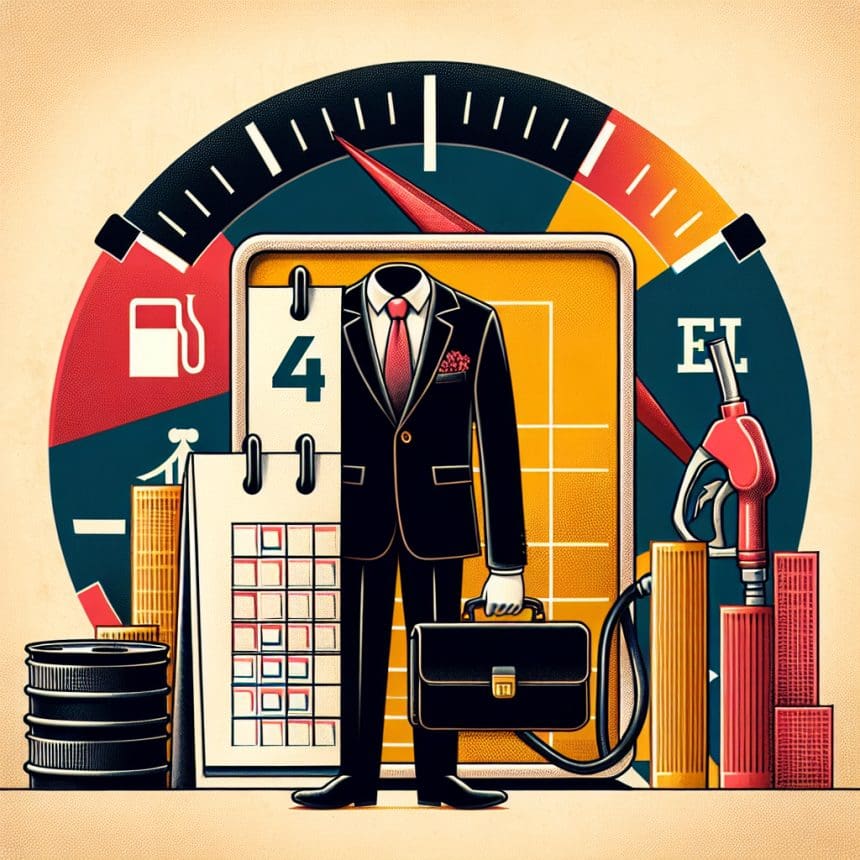
Title: Asian Nations Adapt to Iran Oil Crisis with Innovative Solutions
Headline: Innovative Solutions in Asia Address Iran Oil Crisis
As the Iran oil crisis continues to ripple through global markets, several Asian countries are implementing unconventional measures to mitigate the effects of rising fuel prices and supply disruptions. Countries like Japan, South Korea, and India are responding to the crisis with creativity and resilience, introducing initiatives such as four-day work weeks, fuel rationing, and relaxed dress codes for employees. These adaptive strategies aim to support both the economy and the everyday lives of citizens as the crisis unfolds.
The Situation: A Global Perspective
The ongoing Iran oil crisis has significantly impacted oil supply chains across the globe. Triggered by renewed sanctions on Iran and geopolitical tensions in the Middle East, countries reliant on Iranian oil are feeling the pressure of soaring prices and dwindling reserves. For many Asian economies, which are heavily dependent on oil imports, this crisis presents both an immediate challenge and a call for innovative solutions.

Japan’s Adaptation: The Four-Day Work Week
In Japan, a nation often characterized by its rigorous work culture, the government has proposed a trial for a four-day work week. This pilot program aims to reduce energy consumption by limiting the number of commuting days and encouraging remote work. By shortening the work week, the Japanese government aims to decrease the demand for oil as citizens navigate their daily commutes.
The initiative has gained traction among several private companies that are eager to promote work-life balance, even amidst economic challenges. Companies participating in this trial will analyze productivity metrics to determine if condensed schedules positively impact overall efficiency. This move is particularly important for Japan, where energy consumption is closely tied to economic activity.
South Korea’s Rationing Program
Close to Japan, South Korea has adopted a two-pronged strategy to tackle the crisis. The government has initiated a fuel rationing program, reserving resources for essential services like public transport and emergency services. This rationing aims to stabilize the local economy while ensuring that key industries remain operational.
To cushion the impact on citizens, South Korea has also announced plans to subsidize public transportation costs. This enables residents to navigate the city without relying on personal vehicles, ultimately reducing fuel consumption. As a further step, the government is encouraging the use of electric and hybrid vehicles, easing the dependency on fossil fuels in the long term.
India’s Relaxed Dress Codes
Meanwhile, in India, where the oil crisis poses a threat to both the economy and everyday life, employers are taking a different approach—dressing down their workforce. In an effort to conserve energy and reduce operational costs, many companies are relaxing dress codes, allowing employees to wear more casual attire. This practice not only promotes comfort but also encourages a culture of creativity and flexibility, which may be essential during tough economic times.
Furthermore, the Indian government has launched awareness campaigns stressing the importance of energy conservation. Schools and educational institutions are part of this initiative, embedding energy-saving practices into their curriculums while encouraging children to adopt sustainable habits. This multifaceted approach aims to engender a collective responsibility towards energy consumption among the populace.
Economic Implications and Future Prospects
The combined effect of these measures in various Asian countries illustrates a significant shift in how governments and businesses are addressing external pressures. While these adaptive strategies focus on immediate solutions, they also raise essential questions about the long-term sustainability of energy practices.
Analysts believe that these innovative responses may lay down groundwork for a more resilient approach to future energy crises. By adopting alternative work schedules, fuel rationing, and promoting relaxed environments, countries can transition toward supporting local economies without severely compromising oil consumption.
Global Cooperation: The Way Forward
As the Iran oil crisis continues to evolve, international cooperation will become increasingly crucial. Countries will need to share best practices, technology, and sustainable solutions to ensure long-term energy stability. The current situation offers a unique opportunity for Asian nations to collaborate on projects emphasizing renewable energy sources, potentially lessening their reliance on oil.
Countries can also benefit from joint research initiatives focused on developing alternative energy solutions, including solar, wind, and biofuels. By fostering cross-border partnerships, nations could not only combat the short-term impacts of the oil crisis but also create a more sustainable energy framework for future generations.
Conclusion: Adapting in Times of Crisis
As Asia grapples with the repercussions of the Iran oil crisis, innovative measures like four-day work weeks, fuel rationing, and relaxed dress codes exemplify a proactive approach to economic adversity. Each country’s unique response reflects cultural, social, and economic contexts, highlighting the diversity of solutions in a global crisis. Looking ahead, the adaptability of these nations will be tested, but their current initiatives demonstrate resilience and a commitment to sustainable energy practices. By sharing knowledge and strategies, Asian nations can navigate the challenges ahead while paving the way for a greener future.