Headless Body from 1976 Cold Case Identified Using DNA
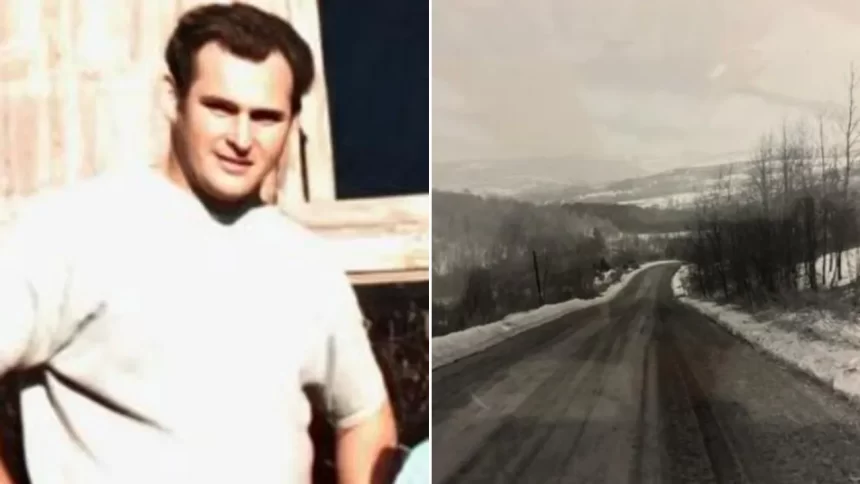
In a significant breakthrough for law enforcement, police have identified a headless victim found in a 1976 New York cold case through advanced DNA technology. The remains of the unidentified individual, discovered in the wooded area of the Bronx, have been linked to a 22-year-old man named Thomas McCarthy, who went missing around the same time. This identification has provided closure for McCarthy’s family and has reignited inquiries into the circumstances surrounding his death, 47 years after the grim discovery.
The case of Thomas McCarthy is one that has lingered in the shadows of unsolved mysteries for decades. Initially reported missing in the summer of 1976, McCarthy’s disappearance left many unanswered questions until his remains were identified this year. For years, the headless body lay in anonymity, a chilling testament to a crime that stymied investigators for almost half a century. As technology has evolved, so have the methods used by law enforcement, and it is through the power of modern DNA testing that the identity of this long-lost victim has finally been confirmed.
Local officials believe that any DNA evidence collected from that original investigative period would not meet today’s standards for analysis. However, recent advancements in DNA technology have allowed authorities to extract usable samples from the remains. Forensic genealogists worked meticulously over several months to create a genetic profile that ultimately led them to McCarthy’s identity, bringing renewed focus to the case and a glimmer of hope for justice.
In addition to the identification, investigators are now concentrating on the potential motives and circumstances that may have led to McCarthy’s headless remains being deposited in the Bronx. The law enforcement community is reviewing all evidence and leads from 1976, hoping that technological advancements in the case, coupled with modern investigative techniques, may shine a light on the dark past associated with McCarthy’s death.

“It’s a significant milestone not only for the McCarthy family but also for missing persons cases across the country,” said Detective Sarah Lennox, who leads the investigation team. “This breakthrough reinforces the importance of forensic science in our ongoing commitment to justice for those who can no longer speak for themselves.”
The attention on McCarthy’s case also serves as a reminder of an era when the challenges of forensic evidence collection were far different than today. With limited resources and outdated technology, police were unable to gather conclusive evidence that could have pointed to McCarthy’s killer. Now, investigators are hopeful that witness testimonies, remaining pieces of evidence, and advancements in technology may lead to further breakthroughs.
Yet, as detectives reminisce about the limitations they faced in the 1970s, they recognize the significant changes that have occurred in crime-solving methods in recent years. Cold cases like McCarthy’s are increasingly being reviewed through updated forensic technologies, including DNA analysis and enhanced record-keeping practices. This has revived the hope for countless families left without answers.
Authorities are also encouraging those who may have additional information regarding McCarthy’s disappearance or any details surrounding his last known whereabouts to come forward. "Every detail matters," Detective Lennox emphasized during a recent press conference. "Someone might hold the key to understanding what happened back in 1976."
As the investigation continues, the identification of Thomas McCarthy’s remains is being hailed as a significant triumph for both law enforcement and forensic science. It showcases the undeniable impact of technological advancements in solving cases that have remained dormant for decades. With an identified victim comes a renewed commitment to uncovering the truth behind what led to his death.
For McCarthy’s family, the identification not only brings a sense of closure but also a haunting reminder of the love they lost so many years ago. “It’s been a long time coming,” said Sarah McCarthy, Thomas’s younger sister, in a heartfelt statement. “We never stopped searching for him, and our hearts have always hoped for this day to come. Now that we finally have his name back, the fight to understand what happened to him is just beginning.”
As police pursue clues and testimonies surrounding McCarthy’s case, they are also examining patterns from similar murders during that era in New York, hoping that investigators might find common links with unsolved cases from the mid-1970s. The department has already reached out to regional partners to compile a comprehensive database of similar incidents, indicating the potential for a broader investigative approach.
While the identification of McCarthy may have set a path toward final justice, the case serves as an enduring reminder of how cold cases can have chilling legacies. It signifies the tireless effort of law enforcement and the profound impact of technology on solving crimes that have haunted families and communities for generations.
In summary, the identification of Thomas McCarthy, found dead in 1976, not only brings a long-awaited closure for his family but also highlights the evolving landscape of criminal justice. As law enforcement agencies continue to adapt and leverage scientific advancements, the hope remains that more cold cases will be addressed, giving voices to the voiceless and justice to the forgotten.
As investigations continue, updates regarding potential leads and community efforts will be essential in further piecing together the somber narrative behind this once-forgotten case. Meanwhile, authorities encourage public cooperation to help unravel this historical mystery and bring closure to the McCarthy family and others impacted by similar tragedies.