

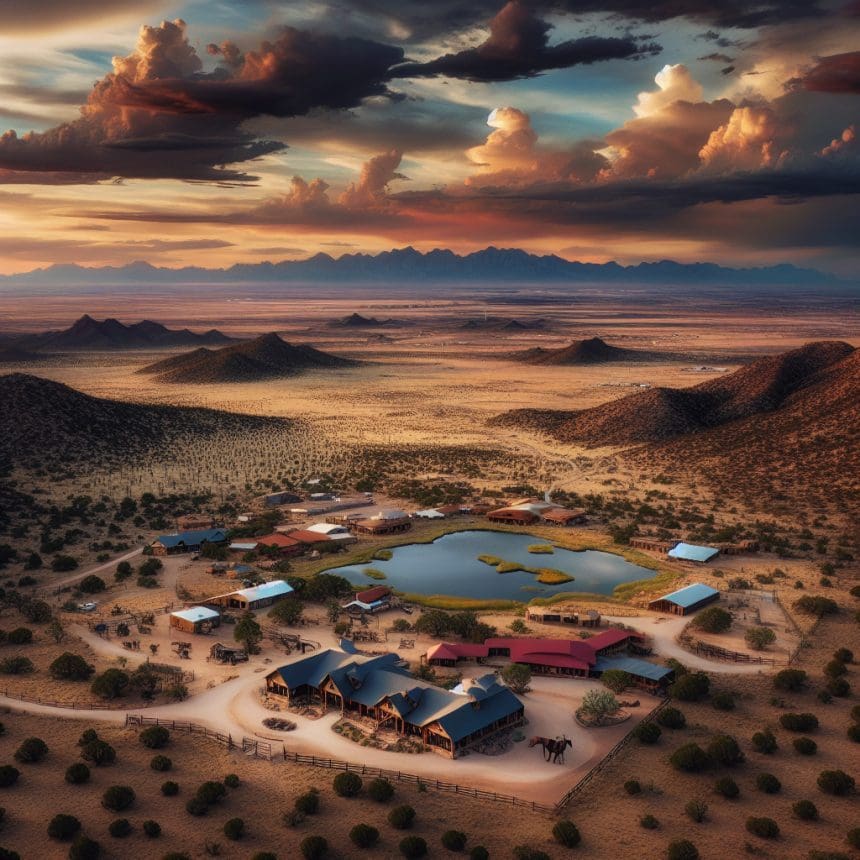
Headline: New Mexico DOJ Launches Investigation at Zorro Ranch
In a significant development, the New Mexico Department of Justice announced on Monday that it has initiated a search of Zorro Ranch, the secluded estate formerly owned by convicted sex offender Jeffrey Epstein. The action took place in Santa Fe County, with investigators citing ongoing inquiries into Epstein’s network and potential criminal activities associated with the property. The search aims to gather evidence and establish a clearer understanding of the events that transpired at the ranch, particularly in relation to allegations of abuse and trafficking.
State officials have remained tight-lipped regarding the specific focus of the investigation, which has been underway for several months. The search at Zorro Ranch, located on a sprawling 10,000-acre property, is the latest in a series of legal actions tied to Epstein’s enterprises following his arrest and subsequent death in 2019. State authorities are determined to uncover the truth behind the allegations of exploitation involving minors and young women.
Zorro Ranch, with its luxurious accommodations and remote location, had long been shrouded in secrecy and speculation. This search reflects a growing commitment from the New Mexico DOJ to confront and address the legacy of Epstein’s actions. Legal experts note that the investigation may reveal critical evidence pertinent to ongoing civil lawsuits and criminal investigations regarding Epstein’s associates and their possible involvement in illicit activities.
The estate is not just another luxurious piece of real estate; it has heavy historical significance intertwined with Epstein’s notorious past. Since Epstein’s death, there has been a surge in public interest surrounding properties linked to him. As a result, the DOJ’s search has garnered both local and national media attention, placing further scrutiny on the practices and individuals associated with Epstein.
“Investigating properties believed to be involved in nefarious activities is a priority for our department,” stated New Mexico Attorney General Raúl Torrez. “Zorro Ranch is a focal point of our review because of its association with Epstein. We are committed to uncovering the truth and ensuring justice for all victims.”
Survivors and advocates have long called for comprehensive investigations into Epstein’s operations and the individuals who backed his actions. Advocacy groups have expressed cautious optimism about the DOJ’s commitment to addressing the concerns that span both legal and social dimensions. They await the outcome of the investigations, hoping the evidence collected will lead to accountability for anyone involved in the perpetuation of Epstein’s crimes.
This announcement also spurred enhanced discussions surrounding legislation aimed at protecting potential victims of human trafficking. Lawmakers in New Mexico are now rallying to foster stronger legal frameworks that ensure comprehensive support systems are in place for individuals at risk. Hashtags like #JusticeForVictims have surged across social media platforms as public sentiment continues to rally for change.
While the investigation into Zorro Ranch exemplifies progress toward justice, it is vital to acknowledge the broader societal implications of Epstein’s actions and the culture of silence that allowed them to flourish. Activists are pushing for systemic reforms, advocating for educational initiatives that raise awareness about human trafficking and available resources for those in need.
In addition to the legal ramifications, the investigation could carry economic consequences for the surrounding area. Local businesses and residents have expressed mixed feelings about the heightened attention that such investigations bring. While some believe this may boost awareness and increase tourism, others fear it may label the area negatively.
Looking ahead, New Mexico’s efforts will likely be informed by findings from this search. Gathering evidence from Zorro Ranch is just one piece of a larger puzzle that encompasses various locations and individuals connected to Epstein. Insights gained from this investigation could also benefit other jurisdictions dealing with similar issues stemming from Epstein’s extensive network.
The legal implications extend beyond just the pursuit of justice for the victims. Various parties could face civil litigation based on the results of this investigation, which might unearth new information about individuals and entities associated with Epstein’s operations. This could potentially reignite debates over legal responsibilities and ethical accountability in the realm of high-profile connections and financial dealings.
In the realm of public discourse, the importance of this investigation cannot be overstated. Public awareness of issues related to sexual exploitation, trafficking, and abuse has risen sharply in recent years, spurred on by high-profile cases like Epstein’s. The New Mexico DOJ’s search is a key chapter in an ongoing narrative that seeks to bring four justice to victims and dismantle systems of power that tolerate abuse.
No matter the outcome of the Zorro Ranch investigation, one thing is certain: the victims deserve their voices to be heard, and justice must be served. The diligence of the New Mexico Department of Justice will play a critical role in the efforts to uncover the truth, restore dignity to survivors, and ensure that the crimes of the past are not repeated in the future.
As investigations progress, people across the nation will be watching closely. Advocates, survivors, and members of the legal community will continue to advocate for transparency and accountability while rooting for justice to prevail in a case that captivated public attention and continues to resonate deeply with those seeking reform. The significance of the New Mexico DOJ’s actions at Zorro Ranch represents not only a commitment to justice but also the potent reminder that addressing these issues head-on can create lasting positive change within society as a whole.