


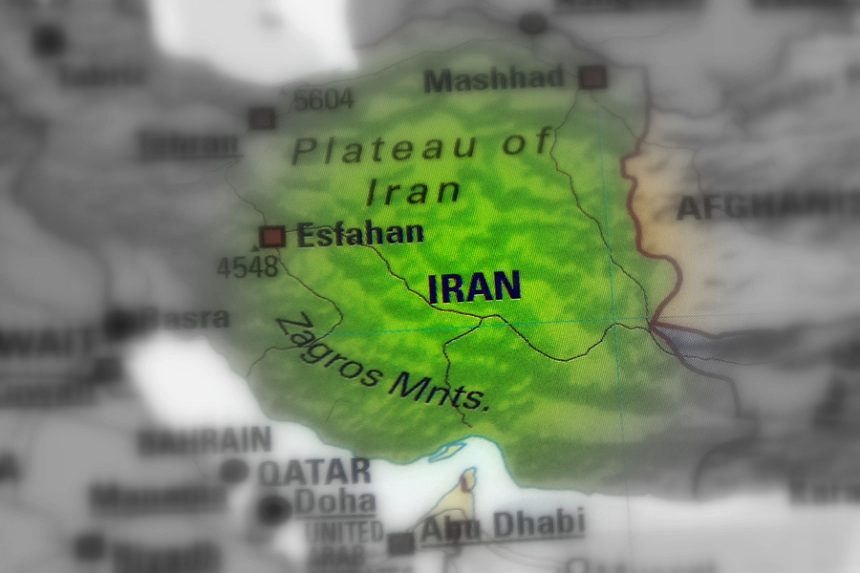
US Airstrikes – This article explores recent reports regarding military actions in the Persian Gulf and regional escalations. Below is a summary of the events, associated footage, and background context regarding ongoing developments between the United States and Iran.
MIDDLE EAST – July 30, 2026 (STL.News) US Airstrikes – The geopolitical landscape in the Middle East has experienced a severe escalation following a heavy wave of military operations conducted by the United States. According to reports circulating across international and regional media networks—including prominent coverage highlighted by the Times of India—recent U.S. Central Command (CENTCOM) strikes have heavily impacted strategic zones, including areas near coastal and island territories in southern Iran. Among the locations drawing intense global focus is Qeshm Island, situated strategically near the Strait of Hormuz.
US Airstrikes – Overview of the Recent Escalation in Iran
The latest round of military actions followed escalating frictions and a reported series of attempted missile attacks targeting American forces stationed in the region. In response, Washington authorized broad countermeasures aimed at degrading regional capabilities associated with the Islamic Revolutionary Guard Corps (IRGC).
While official U.S. military updates and statements emphasized that operations were strictly targeted at strategic installations—such as command-and-control hubs, missile and drone storage infrastructure, coastal defense systems, and maritime capabilities—subsequent reports from the ground presented a starkly different narrative regarding collateral impact on civilian neighborhoods.
US Airstrikes – Reports from Qeshm Island and Southern Iran
Qeshm Island, the largest island in the Persian Gulf, became a focal point after local authorities and regional state media reported explosions shaking civilian sectors. According to updates provided by Iranian outlets like Tasnim and official state agency reports, residential areas—specifically neighborhoods like Chah Tangu on Qeshm—experienced structural collapses following overnight projectile impacts.
Local medical and security officials in Hormozgan province stated that the strikes resulted in civilian casualties, drawing widespread attention from international observers tracking the human cost of the renewed conflict. Alongside Qeshm, explosions and subsequent infrastructure disruptions, including localized power outages, were documented across several provinces in southwestern Iran, including Khuzestan, Bushehr, and Fars.
US Airstrikes – The Role of Digital Media and Footage
As details continue to unfold, visual documentation of the aftermath has flooded digital platforms. Videos capturing smoking ruins, damaged multi-story structures, and emergency response efforts in residential sectors have been widely shared across YouTube, X (formerly Twitter), and global news aggregators.
Footage packaged by networks like Times Now emphasizes the scale of destruction, drawing millions of views from audiences seeking immediate updates on the ground reality. However, military analysts frequently caution that while the overarching military campaigns are heavily verified by official defense acknowledgments, specific ground-level video snippets distributed during active wartime environments often lack immediate independent verification, making a comprehensive assessment difficult in real-time.
US Airstrikes – The Strategic Importance of the Strait of Hormuz
US Airstrikes: The geographic proximity of Qeshm Island to the Strait of Hormuz places it at the absolute center of global energy shipping lanes. The strait handles a massive percentage of the world’s petroleum transit, making any military engagement in this specific corridor an immediate threat to global oil markets, supply chains, and international maritime safety.
With regional diplomats scrambling to revive stalled diplomatic frameworks and ceasefire agreements, intensified kinetic strikes threaten to plunge the wider region into a prolonged cycle of tit-for-tat escalations. International monitors continue to urge restraint while keeping a close watch on military movements across maritime choke points.
Disclaimer: Please note that we have not independently verified these facts. The details, visual descriptions, and casualty claims discussed in this post are based on preliminary reports and video footage distributed by the Times of India and other regional news agencies.




