


The fragile ceasefire in the Iran war is showing signs of collapse as new strikes and counterclaims emerge.
Tensions are rising in the Strait of Hormuz, a critical global oil corridor.
Markets and world leaders are reacting as fears of broader conflict intensify.
A Ceasefire Tested by Renewed Conflict
(STL.News) The latest developments in the ongoing Iran war have placed the region on edge once again, as a tenuous ceasefire appears to be unraveling under the weight of renewed military activity. What was once described as a temporary pause in hostilities is now being challenged by fresh strikes, retaliatory responses, and sharply conflicting narratives from both sides.
In the past 24 hours, reports have emerged of new U.S. military actions targeting Iranian-linked positions near the strategically vital Strait of Hormuz. These strikes, described by U.S. officials as defensive and necessary, were reportedly carried out in response to perceived threats against American naval assets operating in the region, and according to those accounts, missile and drone activity originating from Iranian-controlled or affiliated forces prompted immediate retaliation.
However, Iran has issued a starkly different version of events. Iranian officials claim the strikes were unprovoked and violated the ceasefire agreement, alleging that civilian infrastructure and commercial vessels were among the targets. These competing narratives highlight the fragile nature of the current situation, where truth is often obscured by strategic messaging and limited independent verification.
The Strategic Importance of the Strait of Hormuz
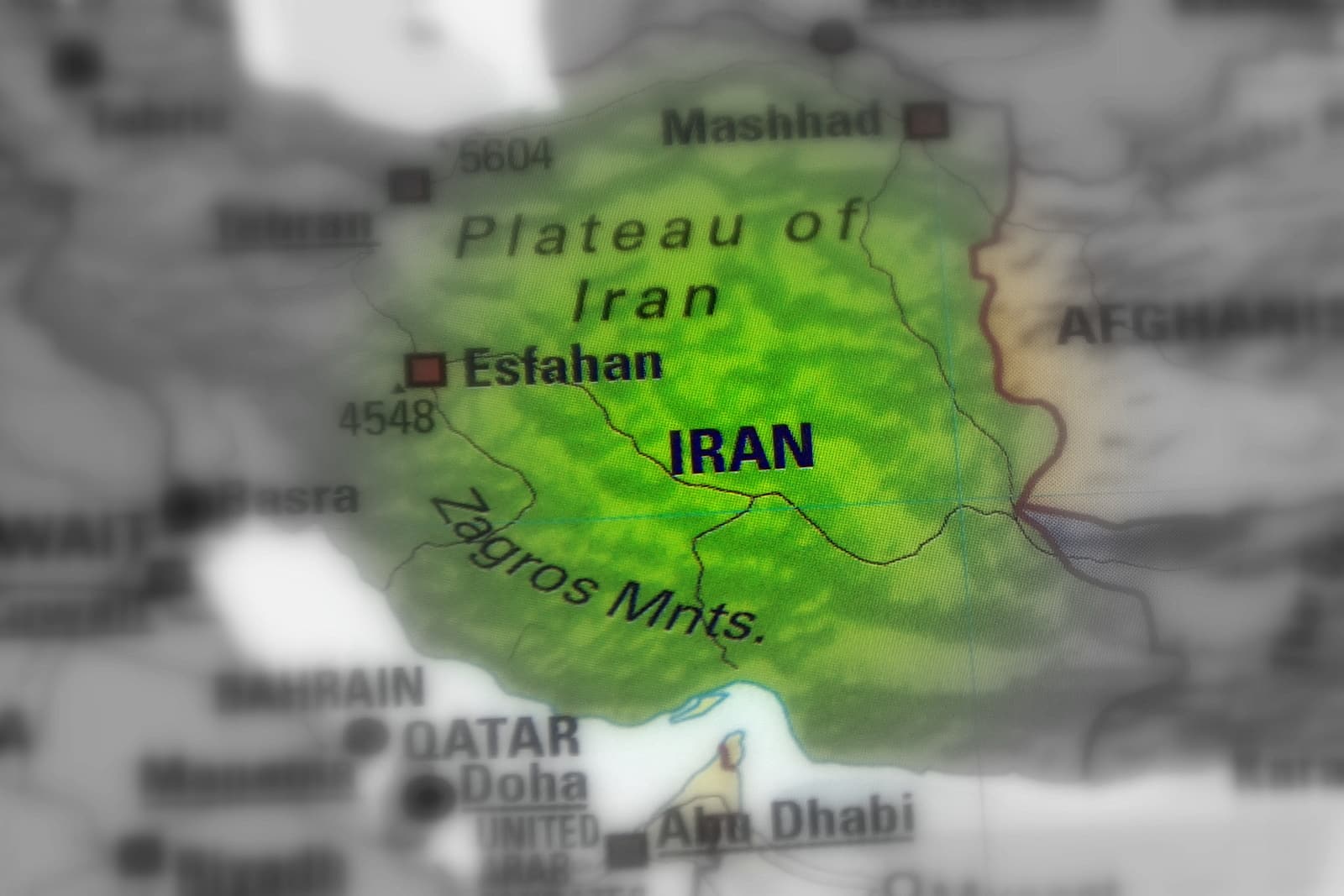
At the center of the latest escalation lies the Strait of Hormuz, one of the most critical waterways in the global energy supply chain. This narrow passage connects the Persian Gulf to the open ocean and serves as a transit route for a significant portion of the world’s oil exports.
Any disruption in this region has immediate and far-reaching consequences, not only for countries directly involved in the conflict but also for global markets and economies. Even the perception of instability can trigger volatility in oil prices, shipping routes, and insurance costs for maritime operations.
The recent incidents involving missile threats and naval movements have intensified concerns that the strait could become a focal point for further confrontation. Military assets from multiple nations are now operating in proximity, increasing the risk of miscalculation or unintended escalation.
Rising Regional Tensions
Beyond the confrontation between the United States and Iran, the broader Middle East is increasingly being drawn into the conflict. Reports of intercepted drone and missile activity in neighboring Gulf nations suggest that the war’s footprint is expanding, raising alarms among regional governments.
Countries such as Saudi Arabia and the United Arab Emirates, already sensitive to security threats due to their proximity and economic dependence on oil exports, are closely monitoring developments. Any sustained escalation could force these nations to take a more active role, either in defense or through strategic alliances.
Meanwhile, Israel remains a key factor in the broader conflict dynamic. Although the latest developments have centered on U.S.-Iran interactions, Israel’s earlier involvement and ongoing security posture continue to influence regional calculations.
Diplomatic Efforts Continue Behind the Scenes
Despite the renewed violence, diplomatic channels have not been entirely severed. Officials from multiple countries are reportedly engaged in ongoing discussions aimed at preserving the ceasefire and preventing a full-scale return to open warfare.
Public statements from U.S. leadership suggest that the ceasefire remains technically in effect, even as military operations continue under the justification of self-defense. This nuanced position reflects the complexity of modern conflict, where diplomacy and military action often occur simultaneously.
Iran, for its part, has signaled that it remains open to negotiations but insists that any talks must be based on mutual respect and adherence to previously agreed terms. The gap between these positions remains significant, making a lasting resolution uncertain.
Market Reactions and Economic Impact
Financial markets have responded quickly to the latest developments, with energy prices showing renewed volatility. Oil traders are particularly sensitive to events in the Strait of Hormuz, given its role as a chokepoint for global supply.
Prices have surged amid fears of disruption, reflecting the market’s expectation that continued instability could limit output or complicate transportation. This has broader implications for inflation, transportation costs, and economic stability in both developed and emerging markets.
Beyond oil, the conflict is also influencing currency markets, defense stocks, and global trade sentiment. Investors are increasingly factoring geopolitical risk into their decision-making, leading to heightened uncertainty across multiple sectors.
Information War and Conflicting Narratives
One of the defining characteristics of the current situation is the intense information war accompanying the physical conflict. Both sides are actively shaping narratives to influence domestic and international audiences.
U.S. officials emphasize the defensive nature of their actions, framing them as necessary responses to aggression. Iranian officials, on the other hand, portray the strikes as violations of sovereignty and breaches of international agreements.
This divergence complicates efforts to understand the true scope and impact of recent events. Independent verification is limited, and much of the available information is filtered through official channels with clear strategic objectives.
For observers and analysts, this means that caution is essential when interpreting developments. The reality on the ground may differ significantly from the narratives presented by either side.
Risk of Escalation Remains High
Perhaps the most concerning aspect of the latest developments is the heightened risk of escalation. With military forces operating in close quarters and tensions running high, the potential for a larger conflict cannot be dismissed.
Even a single miscalculation—such as a misidentified target or an unintended strike—could trigger a chain reaction leading to broader hostilities. The presence of multiple actors, each with their own strategic interests, further increases this risk.
At the same time, there are strong incentives on all sides to avoid full-scale war. The economic and human costs would be significant, and the geopolitical consequences could reshape the region for years to come.
A Conflict at a Crossroads
The Iran war now stands at a critical juncture. The ceasefire, once seen as a potential stepping stone toward de-escalation, is being tested by ongoing military activity and deep-seated mistrust.
The coming days will likely be decisive in determining whether the current situation stabilizes or spirals into a more sustained and dangerous phase. Diplomatic efforts, military decisions, and external pressures will all play a role in shaping the outcome.
For now, the world watches closely as events unfold in one of the most strategically important regions on the planet. The balance between conflict and containment remains delicate, and the stakes could not be higher.
Conclusion and Strategic Outlook
The latest escalation in the Iran war underscores the fragile nature of modern ceasefires, particularly in regions where geopolitical tensions run deep. What appears on the surface to be a pause in fighting can quickly evolve into a renewed cycle of action and reaction.
As military operations continue and diplomatic efforts persist, the situation remains fluid and unpredictable. The Strait of Hormuz has once again become a focal point of global concern, highlighting the interconnectedness of regional conflicts and international stability.
Moving forward, the key question is whether leaders on all sides can navigate the current crisis without triggering a broader conflict. The answer will shape not only the future of the Middle East but also the global economic and political landscape.
For businesses, governments, and individuals alike, the developments serve as a stark reminder of how quickly stability can be disrupted—and how important it is to remain informed as the situation continues to evolve.
More General News articles published on STL.News:
- Iran War Update – May 7, 2026 @ 6:41 am CST
- Global Markets Surge Overnight – May 6, 2026
- Overseas Overnight Trading Summary for May 5, 2026
- Iran War Update: Tensions Surge in Strait of Hormuz as Ceasefire Remains Fragile
- Global Markets Turn Mixed Overnight – May 4, 2026
- Latest St. Louis Restaurant News
© 2026 St. Louis Media, LLC d.b.a. STL.News. All rights reserved. No content may be copied, republished, distributed, or used in any form without prior written permission. Unauthorized use may result in legal action. Some content may be created with AI assistance and is reviewed by our editorial team. For official updates, visit STL.News.



