


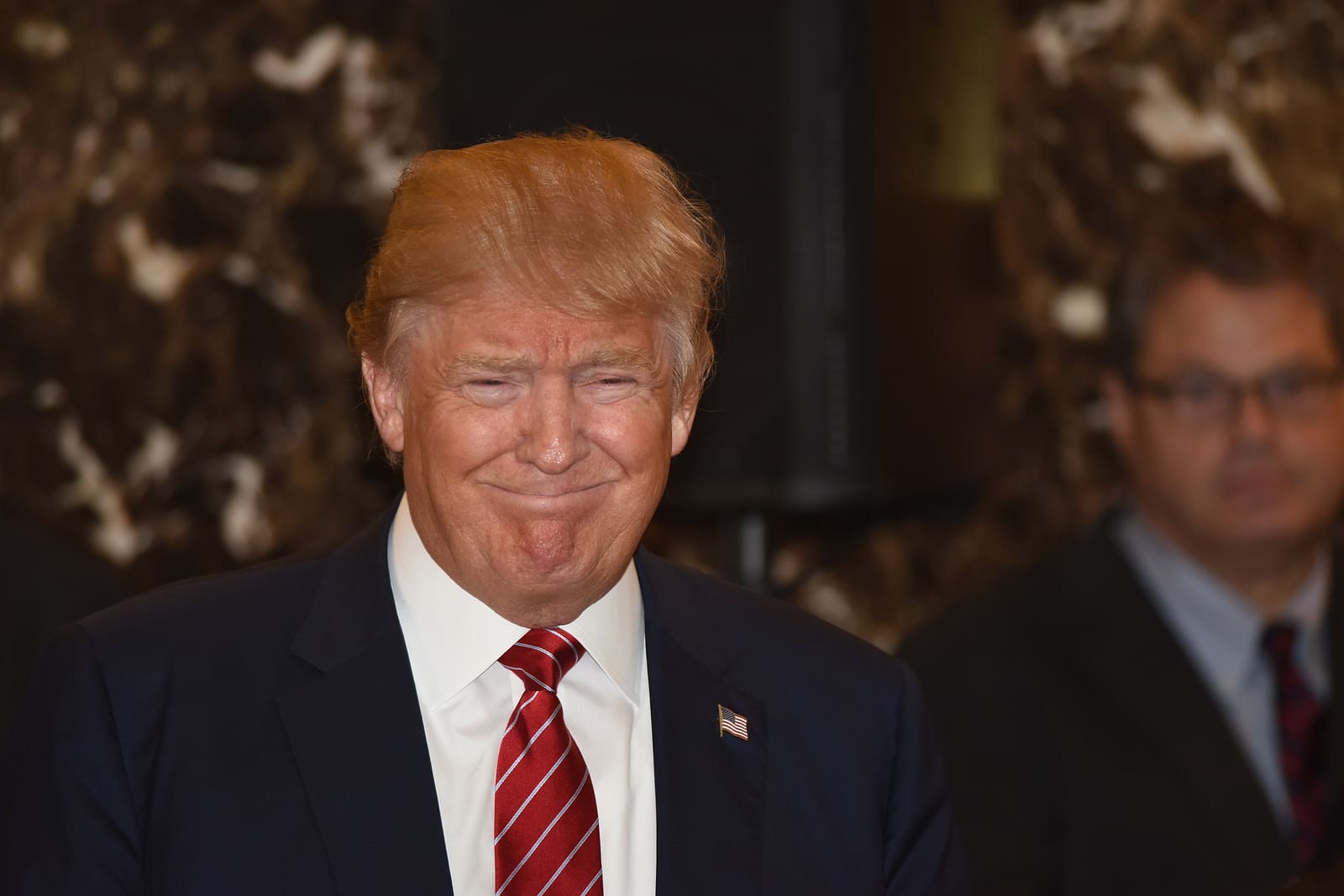
Trump’s declining to provide NATO support signals a shift toward a more independent U.S. foreign policy.
The decision raises questions about alliance strength and future global security coordination.
Analysts warn the move could reshape NATO’s role in ongoing international conflicts.
(STL.News) Trump – NATO – In a move already reshaping the geopolitical conversation, Donald Trump has reportedly declined certain forms of assistance and expanded NATO involvement, signaling a continued shift toward a more independent U.S. foreign policy posture. The decision has sparked debate among policymakers, allies, and analysts, raising questions about the future of transatlantic cooperation and global security dynamics.
While the details of NATO’s proposed involvement remain open to interpretation, the broader message is clear: the United States may be reassessing how and when it relies on international alliances during periods of heightened tension.
A Shift Toward Strategic Independence
The United States has long been the leading force within NATO, an alliance formed to ensure collective defense among member nations. For decades, NATO has served as a cornerstone of Western security, particularly in times of conflict or geopolitical uncertainty.
However, Trump’s decision to decline certain NATO involvement reflects a philosophy that prioritizes national control over multilateral coordination. This approach is rooted in the belief that the United States should retain full authority over its military and strategic decisions, rather than operate within a framework requiring consensus among multiple nations.
Supporters of this stance argue that it allows for faster decision-making and reduces the risk of being drawn into conflicts that do not directly align with U.S. interests. They also point to long-standing concerns about burden-sharing, noting that the United States has historically contributed a disproportionate share of NATO’s defense capabilities.
Concerns About Alliance Cohesion
Critics, however, warn that declining NATO assistance could weaken one of the most important security alliances in modern history. NATO’s strength lies in its collective defense principle—an attack on one member is considered an attack on all.
By stepping back from NATO coordination, even partially, the United States may unintentionally signal a reduced commitment to that principle. This could lead to uncertainty among allies, particularly those in regions where security threats are more immediate.
European nations, many of which rely on NATO as a primary defense structure, may begin to reconsider their own strategies. Some could increase military spending to compensate, while others may seek alternative partnerships or diplomatic arrangements.
Implications for Ongoing Conflicts
The timing of this decision is particularly significant given current global tensions. With conflicts and instability affecting multiple regions, coordination among allied nations is often viewed as essential for maintaining balance and preventing escalation.
Declining NATO involvement does not necessarily mean the United States is withdrawing from global engagement. Instead, it may indicate a preference for bilateral actions or independent operations rather than coordinated alliance efforts.
This shift could have both advantages and drawbacks. On one hand, it allows the U.S. to act decisively without navigating complex alliance dynamics. On the other, it may reduce the overall effectiveness of collective responses to global challenges.
Economic and Market Reactions
Financial markets are closely watching developments related to NATO and U.S. foreign policy. Geopolitical stability plays a significant role in investor confidence, particularly in sectors such as energy, defense, and international trade.
A move away from coordinated alliance action could introduce new uncertainties. Investors may respond by shifting toward sectors that typically perform well during periods of geopolitical tension, including defense contractors, energy producers, and commodities.
At the same time, reduced reliance on NATO could impact defense spending patterns across member nations. Some countries may increase their budgets, creating opportunities within the global defense industry, while others may face economic strain as they adjust to a changing security environment.
Domestic Political Impact
Within the United States, the decision is likely to fuel ongoing debates about the country’s role on the global stage. Supporters of a more independent foreign policy view the move as a necessary correction, emphasizing national sovereignty and strategic autonomy.
Opponents argue that alliances like NATO provide critical support and legitimacy, allowing the U.S. to share the burden of global security while maintaining strong international relationships.
This divide reflects a broader discussion about how the United States should balance leadership with cooperation. As global challenges become more complex, the question of whether to act alone or alongside allies remains central to policy decisions.
NATO’s Position Moving Forward
For NATO, the situation presents both a challenge and an opportunity. The alliance must navigate a changing dynamic with its most influential member while maintaining its core mission.
NATO leadership may seek to reinforce unity among remaining members, emphasizing the importance of collective defense and shared responsibility. At the same time, the alliance could adapt by increasing flexibility, allowing for varying levels of participation depending on the circumstances.
The response from NATO will likely shape how the organization evolves in the coming years. Whether it becomes more autonomous or continues to rely heavily on U.S. leadership will depend on both internal decisions and external pressures.
Strategic Calculations Behind the Decision
Understanding why Trump declined NATO help requires looking beyond immediate circumstances to broader strategic considerations. The decision may be influenced by several factors, including:
- A desire to maintain operational control
- Concerns about alliance commitments
- Domestic political priorities
- Long-term shifts in global power dynamics
Each of these elements plays a role in shaping foreign policy decisions. While the exact motivations may vary, the outcome reflects a deliberate choice to redefine how the United States engages with its allies.
The Bigger Picture: Redefining Global Leadership
The decision to decline NATO assistance is part of a larger trend toward reevaluating traditional alliances and strategies. As the global landscape evolves, nations are increasingly exploring new approaches to security, diplomacy, and cooperation.
For the United States, this moment represents an opportunity to reassess its role as a global leader. The challenge lies in balancing independence with collaboration, ensuring that strategic interests are protected without undermining long-standing partnerships.
Final Thoughts
Trump’s declining to provide NATO assistance marks a significant moment in the ongoing evolution of U.S. foreign policy. While the decision reflects a desire for greater independence, it also raises important questions about the future of international alliances and collective security.
The long-term impact will depend on how both the United States and NATO respond to this shift. Whether it leads to stronger self-reliance or increased fragmentation remains to be seen.
What is clear is that the global balance of power is continuing to change, and decisions like this will play a critical role in shaping the path forward.
Other General News stories published on STL.News:
- Iran War Update: Fragile Progress in Negotiations Meets Rising Tensions
- Protesters Detained During St. Louis State of the City Address
- Mayor Spencer Delivers State of the City Address Amid Disruptions
- Strait of Hormuz Reopens as Iran Conflict Shows Signs of De-Escalation
- Gas Prices Begin to Ease as Global Tensions Cool: What Consumers Should Expect Next
© 2026 St. Louis Media, LLC d.b.a. STL.News. All rights reserved. No content may be copied, republished, distributed, or used in any form without prior written permission. Unauthorized use may result in legal action. Some content may be created with AI assistance and is reviewed by our editorial team. For official updates, visit STL.News.



