


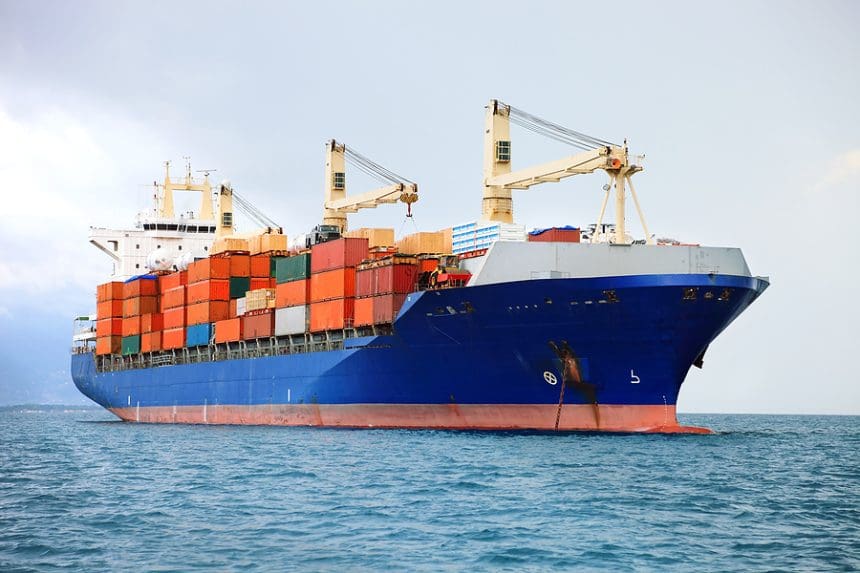
CENTCOM has declared U.S. dominance of the Strait of Hormuz, marking a major escalation in the Iran war. The move strengthens control over global oil routes while increasing geopolitical tension. Markets and world leaders are watching closely as the conflict reaches a critical turning point.
The United States military has announced a major strategic breakthrough in the ongoing conflict with Iran, as U.S. Central Command (CENTCOM) declared operational dominance in and around the critical Strait of Hormuz. The move represents one of the most decisive developments in the war to date and signals a dramatic shift in control over global energy routes.
The announcement comes as part of a broader effort to restrict Iranian maritime activity and apply sustained pressure on the country’s economic lifelines. As global markets react and geopolitical stakes rise, the implications are being felt far beyond the Middle East.
This article accompanies recent video coverage highlighting CENTCOM’s declaration and explains what this moment means for the war, global energy markets, and the broader economic outlook.
CENTCOM – U.S. Establishes Maritime Control
April 15, 2026 (STL.News) CENTCOM’s declaration of dominance reflects a rapid and coordinated military operation aimed at securing one of the world’s most vital shipping corridors.
U.S. naval forces have moved into position to monitor, influence, and, in many cases, control vessel movements throughout the region. The presence of these forces has already altered maritime behavior, with ships adjusting routes and responding to the new enforcement environment.
This level of operational control signals more than just military presence—it reflects a strategic effort to reshape conditions on the ground, or in this case, at sea.
CENTCOM – Why the Strait of Hormuz Matters
The Strait of Hormuz is one of the most important waterways in the global economy.
A large share of the world’s oil supply moves through this narrow passage, connecting producers in the Middle East to markets across the globe. Any disruption or control over this route has immediate and far-reaching consequences.
By asserting dominance in this region, the United States is effectively influencing one of the world’s most critical supply chains—energy.
CENTCOM – Economic Pressure on Iran
The strategy behind this move appears focused on applying economic pressure without immediate escalation into a broader ground conflict.
By limiting Iran’s ability to move oil through key shipping routes, the United States is targeting one of the country’s primary sources of revenue. This approach is designed to weaken economic stability and increase incentives for negotiation.
However, the strategy carries inherent risks. The pressure at this scale can lead to unpredictable responses, including potential retaliation or attempts to challenge control of the region.
CENTCOM – Global Markets Feel the Impact
The effects of this development are already being seen in global financial and energy markets.
Oil prices remain elevated as traders assess the risks of increased military activity in a sensitive region. Even with enhanced control over shipping lanes, the presence of conflict introduces volatility.
The situation has created a complex market environment where stability and risk exist simultaneously:
- Greater control over shipping routes may support supply continuity
- Ongoing conflict raises the risk of sudden disruptions
This balance is contributing to continued fluctuations in both energy prices and broader financial markets.
Strategic Signaling and Global Influence
CENTCOM’s announcement serves as both a military update and a strategic signal.
By publicly declaring dominance in a region as critical as the Strait of Hormuz, the United States is reinforcing its position as a global power capable of securing key infrastructure.
This message extends beyond the immediate conflict, signaling to allies and adversaries alike that the U.S. retains the ability to project power and maintain control in strategically important areas.
Such signaling plays a crucial role in shaping global perceptions and influencing geopolitical behavior.
A Potential Turning Point
The establishment of maritime dominance could mark a turning point in the conflict.
If the strategy succeeds in applying sufficient pressure to bring Iran to the negotiating table, it may open the door to de-escalation and eventual resolution. However, if tensions rise in response, the situation could shift in the opposite direction.
The coming days and weeks will be critical in determining whether this moment leads to stability or further confrontation.
What to Watch Next
Several factors will shape the next phase of the conflict:
- Any attempts by Iran to challenge U.S. control in the region
- Changes in military posture or expansion of enforcement efforts
- Signals of diplomatic engagement or negotiation
- Reactions from other global powers with interests in the region
Each of these elements will influence both geopolitical developments and economic conditions.
Final Thoughts
The declaration of U.S. dominance in and around the Strait of Hormuz represents a significant escalation in the ongoing conflict with Iran. It highlights the region’s strategic importance and underscores the role of military power in shaping global outcomes.
As the situation continues to evolve, uncertainty remains high. While this move strengthens control over a critical energy corridor, it also raises the stakes in an already volatile conflict.
The world now watches closely to see whether this moment leads to resolution—or to the next phase of escalation.
More General News stories published on STL.News:
- War in Iran Nears Turning Point as Naval Blockade Reshapes Global Risk
- California Gas Prices Surge: Are Bad Politics Driving Costs Higher?
- When Will Gas Prices Drop? What Needs to Happen in Iran for Relief at the Pump
- Gas Prices Surge in Missouri: How the Iran Conflict Is Hitting Drivers at the Pump
- Iran War Update 2026: Is the Conflict Entering a Dangerous New Phase?
© 2026 St. Louis Media, LLC d.b.a. STL.News. All rights reserved. No content may be copied, republished, distributed, or used in any form without prior written permission. Unauthorized use may result in legal action. Some content may be created with AI assistance and is reviewed by our editorial team. For official updates, visit STL.News.



