


BÜRGENSTOCK, Switzerland – June 22, 2026 (STL.News) — U.S. – Iran – High-stakes, marathon diplomatic negotiations between the United States and the Islamic Republic of Iran concluded their primary high-level phase early Monday morning at the Bürgenstock alpine resort. The grueling 18-hour session of intense quadrilateral consultations produced a formalized, structured roadmap to convert a temporary framework into a permanent, legally binding treaty within the next 60 days.
The summit, dubbed the “Lake Lucerne Summit,” represents the first time in modern history that top-tier American and Iranian leadership have engaged in direct, face-to-face negotiations of this magnitude. Convened to implement the recently signed Islamabad Memorandum of Understanding (MoU), the summit successfully yielded immediate breakthroughs on maritime security in the Strait of Hormuz and regional de-escalation frameworks, even as public rhetorical friction between Washington and Tehran pushed the limits of the diplomatic venue.
Speaking at the opening of the summit on Sunday, U.S. Vice President JD Vance explicitly framed the moment as a generational inflection point for international foreign policy.
“The question before us now is how much more can we accomplish together? Can we turn over a new leaf?” Vance stated to the gathered delegations. “Can we change relations in the Middle East permanently, or do we go back to doing things the old way, which is not our preference, but is certainly very much something that can happen.”
Key Breakthroughs and Structural Agreements
According to a joint statement released on Monday by the mediating nations—led by Pakistani Prime Minister Shehbaz Sharif, Pakistani Field Marshal Asim Munir, and Qatari Prime Minister Sheik Mohammed bin Abdulrahman Al Thani—the high-level talks concluded with an agreement to transition directly into lower-level technical and expert groups remaining at Bürgenstock for the rest of the week.
The primary achievements finalized during the initial 18-hour session include three critical operational mechanisms:
1. Strait of Hormuz Free Passage & Communication Line
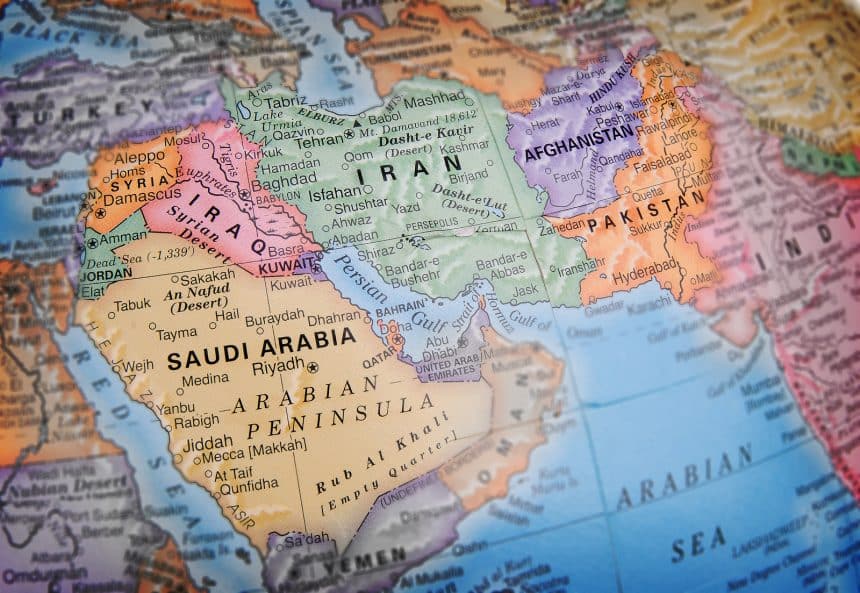
To stabilize global energy corridors, negotiators established a dedicated, direct communication channel between U.S. and Iranian forces. Under the mechanism, Iran has reaffirmed its commitment to ensuring the uninterrupted, safe passage of commercial vessels through the strategic Strait of Hormuz. This vital economic channel handles nearly 20% of the world’s energy supply and has faced immense volatility since the outbreak of regional hostilities on February 28. The framework formalizes a 60-day toll-free transit window while maritime communication lines remain under technical review.
2. Lebanon De-Escalation Working Group
Recognizing that peripheral theater operations threaten the broader peace architecture, the quadrilateral delegation agreed to launch an active de-escalation working group that includes the Lebanese Republic. This specialized cell is explicitly tasked with monitoring and preserving the fragile cessation of hostilities between Israel and Hezbollah, providing a structured mechanism to avert accidental military miscalculations along the Lebanon front.
3. Verification and Technical Sub-Committees
With the departure of top-tier political figures on Monday, specialized working groups have assumed control of the diplomatic text. These groups are mandated to flesh out the operational metrics of the 14-point Islamabad MoU, focusing intensely on nuclear enrichment containment, scheduling the verified return of International Atomic Energy Agency (IAEA) inspectors to Iranian facilities, and establishing strict compliance benchmarks.
Sanctions Relief and Economic Adjustments
A primary pillar of the 60-day negotiating window’s structural integrity is significant, reciprocal economic measures. Following the conclusion of Monday’s high-level session, Iranian Foreign Minister Abbas Araghchi praised the “tireless Pakistani and Qatari mediation,” publicly outlining the immediate economic adjustments linked to the framework.
According to Araghchi, the United States has initiated critical modifications to its economic leverage, including:
-
Energy Waivers: The immediate implementation of temporary compliance waivers allowing Iran to resume the export of crude oil, petroleum products, and petrochemical derivatives.
-
Asset Accessibility: The targeted lifting of financial blockades, enabling the release of specific frozen Iranian assets earmarked explicitly for humanitarian utility and the procurement of American agricultural commodities, such as soy, wheat, and corn.
-
Reconstruction Blueprint: Initial parameters for a massive $300 billion international reconstruction and development fund aimed at rebuilding critical infrastructure impacted by the conflict.
Navigating Deep Rhetorical Friction
The tangible progress achieved near Lake Lucerne occurred despite severe underlying diplomatic strain and a highly visible “tale of two tones” between the negotiating tables and public statements from leadership.
The start of the proceedings was delayed over the weekend following intense exchanges of fire in Lebanon. Simultaneously, the opening sessions were marked by immediate diplomatic posturing, with the Iranian delegation deliberately declining a planned joint press photograph and a formal handshake with Vice President Vance, entering the main hall only after media representatives had cleared the room to signal a preference for substantive dialogue over public optics.
Tensions intensified further after President Donald Trump issued stark warnings via social media, threatening to “hit Iran very hard again” if Tehran failed to comply with the reopening of the Strait of Hormuz or disrupted the preliminary ceasefire. Trump also floated the potential imposition of mandatory transit tolls on vessels transiting the waterway for security services rendered by the U.S. Navy if diplomacy faltered.
Iran’s lead negotiator, parliamentary Speaker Mohammad Bagher Qalibaf, sharply rejected the warnings via a statement on X, dismissing them as ineffective posturing and cautioning Washington to be precise with its statements.
Despite public friction, U.S. officials confirmed that the Iranian delegation remained actively engaged at the table throughout the 18-hour session, refusing to let rhetorical disputes derail the technical process. In an appearance on the Axios Show, President Trump acknowledged a pragmatic shift within Tehran’s updated governance structure following recent leadership changes, characterizing the current Iranian officials as “the smartest group of officials the U.S. has dealt with.”
Diplomatic Leadership Matrix
The next phase of the 60-day countdown will depend entirely on the legal and regulatory clarity produced by the technical sub-committees remaining in Switzerland.
| Country / Role | Senior Oversight Leadership | Active Technical Focus Areas |
| United States | VP JD Vance, Special Envoy Steve Witkoff, Jared Kushner | Verification mechanisms, sanctions rollback text, and agricultural export compliance. |
| Islamic Republic of Iran | Speaker Mohammad Bagher Qalibaf, FM Abbas Araghchi | Nuclear downgrade schedules, uranium stockpile management, banking, and oil logistics. |
| Mediators (Pakistan & Qatar) | PM Shehbaz Sharif, Field Marshal Asim Munir, PM Sheik Mohammed bin Abdulrahman Al Thani | Strait of Hormuz communication maintenance, Lebanon de-escalation monitoring. |
While the path toward a comprehensive, permanent peace treaty remains fraught with political hurdles in both Washington and Tehran, mediators expressed cautious encouragement on Monday, noting that the foundation laid at Bürgenstock has successfully set the 60-day clock running under the most rigorous bilateral scrutiny in decades.
More news articles published on STL.News:
- 2026 FIFA World Cup Update: Group Stage Standings, Match Results, and the Complete Knockout Stage Schedule
- UK Prime Minister Keir Starmer Resigns Following Cabinet Revolt and Andy Burnham’s Westminster Return
- Trump’s High-Stakes ‘Madman’ Strategy: Forcing Iran’s Hand via Swiss Talks and Strait of Hormuz Ultimatums
- U.S.-Iran Peace Talks Begin in Switzerland Following Landmark Islamabad MOU
- The Burgenstock Ultimatum: Can Diplomacy Survive the Battle for the Strait of Hormuz?



